Chile Fire Pump Room Requirements Guide
Chile Fire Pump Room Requirements Overview
When I look at a fire pump room in Chile room planning, I see more than a box with equipment inside. I see the heartbeat of a building’s fire defense. For commercial and industrial sites, and for major property buildings, this room must work without drama, delay, or guesswork. That is the whole point. If the pump fails, everything downstream starts acting like a bad sequel nobody asked for. So, in this article, I’ll walk through the key requirements, what matters most, and how I approach compliance with a clear head and a firm grip.
What I check first in a Chile room fire pump setup
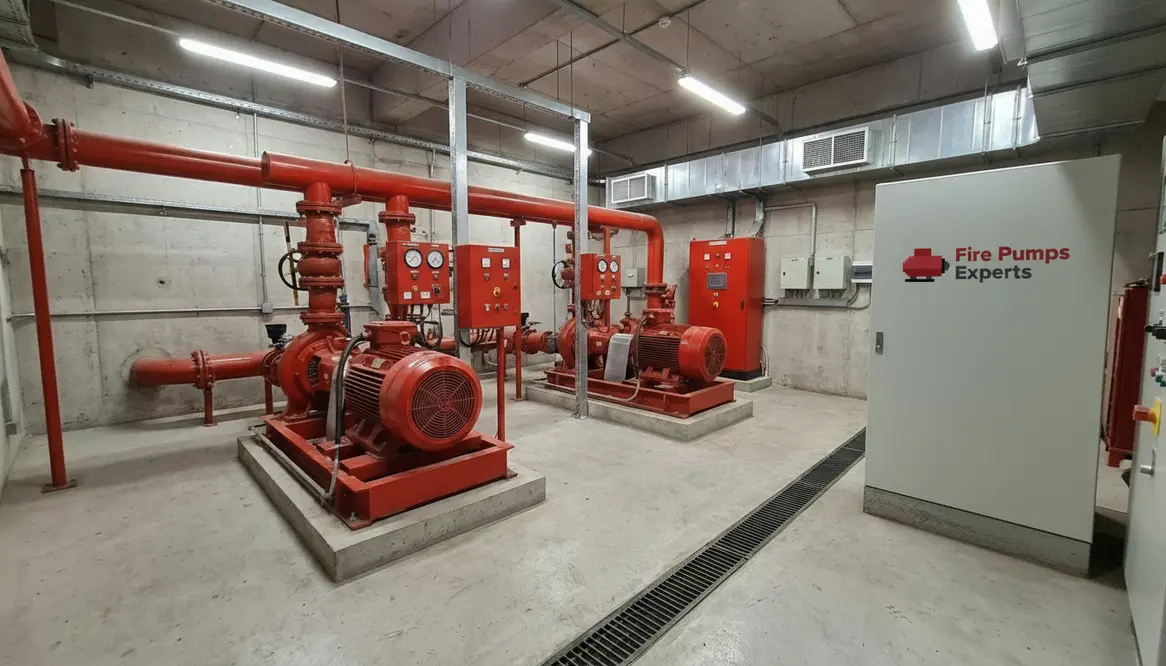
I always begin with the basics. The fire pump room must support reliable operation, easy access, and safe maintenance. It should sit in a protected space, away from flood risk, heat damage, and daily traffic that could slow response time. Just as important, the room should give technicians enough space to inspect, test, and repair the system without doing yoga around the equipment.
For commercial and industrial buildings, I focus on three core items:
- The room must hold the pump, controller, power source, and related piping in a clean, organized layout.
- It must allow quick access for emergency crews and maintenance staff.
- It must stay dry, secure, and properly ventilated.
If those three are weak, the whole setup starts wobbling like a chair with one short leg.
How I size and arrange the pump room
Room size matters because fire pumps need breathing space. I do not mean a luxury suite with mood lighting. I mean real working clearance around the pump and controller. The layout should let workers reach valves, gauges, switches, and couplings without strain. In a busy industrial site, that becomes even more important because equipment often runs hard and needs regular checks.
Here is how I think about the layout in practical terms:
Two column guide
Clear access | Staff must reach all sides of key equipment for inspection and repair
Working space | The room must support safe movement around the pump and controller
Equipment flow | Pipes and wiring should follow a clean path with no tight clutter
Future service | I plan room for replacement parts and upgrades, because systems evolve
Navigation and workflow
I keep the room easy to navigate. A fire pump room should not feel like a maze from a mystery movie. When the alarm sounds, nobody wants to play hide and seek with a valve. Clear lines of sight, uncluttered walkways, and simple labeling matter more than fancy finishes.
When planning a Chile room layout, I look at how people actually move: from the entrance, to the controller, to key valves, and to test connections. If that path feels awkward in a drawing, it will feel worse in real life when alarms, noise, and pressure are added to the mix.
Why power, ventilation, and drainage matter
Power and reliability
A pump room can look perfect on paper, yet fail in real life if power and airflow get ignored. That is why I give these systems so much attention. Fire pumps need dependable power, often with backup support, so they can start when the building needs them most. If the pump depends on unstable power, then the room is only pretending to be ready.
For larger commercial and industrial Chile room projects, I look closely at how power feeds the controller, what happens when the utility drops, and how quickly any generator or alternate source can carry the load. The pump has no patience for hesitation.
Ventilation and drainage
Ventilation also matters because heat can damage controls, shorten equipment life, and create unsafe conditions for workers. Good airflow helps the room stay stable. At the same time, drainage protects the pump room from water buildup, which can happen during testing, leaks, or emergency discharge. I treat drainage like a quiet hero. It rarely gets applause, but when it fails, everyone notices fast.
A smart Chile room plan looks beyond the pump curves and controller specs to simple questions: where does the heat go, and where does the water go? If those answers are vague, the design is not ready yet.
What Chile room safety and access rules usually demand
Controlled access and safe approach
In Chile room planning, I keep safety and access at the center. The room should stay locked or controlled, but not so restricted that responders lose time during an emergency. Lighting should be strong and reliable. Signs should be easy to read. Floors should stay slip resistant. Moreover, the path to the room should remain open and free of storage, because this is not the place for spare chairs, old boxes, or that one pallet nobody claims.
Integration with the fire protection network
I also check the fire protection system as a whole. The pump room must connect smoothly with the rest of the building’s fire network. That means the design should support the water supply, pressure needs, test arrangements, and alarm coordination. If the room works in isolation, it is not doing its job. A fire pump room must act like part of a team, not a solo artist trying to steal the spotlight.
How I keep compliance practical for commercial and industrial sites
For https://firepumps.org/ style projects, I stay focused on major properties, commercial buildings, and industrial facilities only. That keeps the work clear and useful. These sites often carry heavier risk, larger occupancy, and more complex systems. Because of that, I do not treat compliance as a checklist exercise. I treat it as a working system that must perform under pressure.
I usually recommend a full review of the room’s structure, equipment placement, power support, ventilation, and access controls. Then I compare the design against local rules, project specs, and accepted fire pump standards. If needed, I bring in a specialist early, because fixing a bad room after construction costs more time and money than people like to admit. And yes, that is about as shocking as finding out a superhero needs a cape.
Frequently asked questions
Conclusion
If I want a fire pump room to do its job, I plan it with care, keep it accessible, and build it for reliable performance. That is especially true for major commercial and industrial sites where failure is not an option. If you are reviewing a Chile room project, now is the time to make sure the layout, power, ventilation, and safety controls all work together. Contact a fire pump specialist today and turn a basic room into a dependable line of defense.