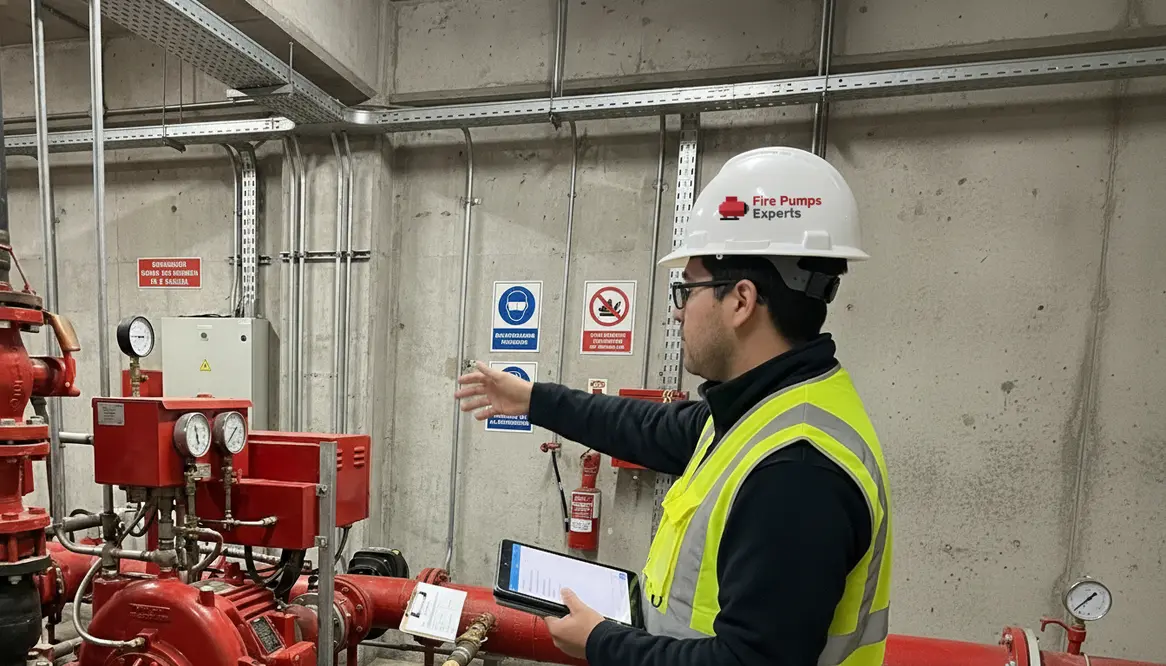
Chile Fire Pump Testing and Maintenance Guide
In Chile testing, I focus on one thing first: keeping commercial and industrial fire pumps ready when it matters most. That means no guesswork, no crossed fingers, and no drama worthy of a streaming finale. For major property buildings, a fire pump is not just equipment. It is the muscle behind the whole fire protection system. If it fails, the rest of the setup can struggle like a sidekick in a superhero movie. So I take fire pump testing and maintenance seriously, and I keep it practical, clear, and built for real facilities.
In this guide, I walk through what I check, how I test, and why regular care helps protect large buildings, plants, warehouses, and other commercial sites. Along the way, I keep the process simple enough to use, but detailed enough to matter.
What Chile testing means for fire pumps in major facilities
Chile testing means I verify that a fire pump can deliver the water flow and pressure a building needs during an emergency. In commercial and industrial facilities, that matters because demand can spike fast. A pump that looks fine on paper may still underperform under load. And pressure, as we all know, has a habit of showing up right when nobody wants it.
I usually start with the full system picture. I check the pump, driver, controller, suction supply, discharge piping, valves, gauges, and power source. Then I confirm that the fire pump matches the needs of the property. If the building changed over time, and most do, I make sure the pump still fits the risk. A warehouse expansion, a new tenant, or added process equipment can shift the demand.
For large sites, I also look at access. If crews cannot reach the pump room easily, maintenance gets harder and response slows down. Good design helps, but routine testing keeps the truth from hiding. That is the real value of fire pump testing. It shows me whether the system is ready now, not just whether it once passed inspection years ago.
How I test a fire pump step by step
I follow a steady sequence so I can spot problems before they grow teeth. First, I inspect the pump room for leaks, heat issues, rust, loose parts, and odd sounds. Then I review the controller settings and confirm normal power conditions. After that, I run the pump and watch how it performs at churn and under flow.
During the test, I pay close attention to pressure, speed, vibration, and temperature. If the pump shakes too much or takes too long to reach proper output, I do not shrug and move on. I dig deeper. That is because small issues often hide bigger ones. A weak battery, a clogged suction line, or a worn seal can turn into a bigger mess later. Fire systems prefer honesty, and so do I.
Core test sequence
- Inspect the pump room and surrounding equipment
- Check suction and discharge conditions
- Review controller status and power supply
- Run the pump at no flow and under flow
- Record pressure, speed, and operating notes
- Compare results with expected performance
I also keep records from every round of testing. Those logs help me spot patterns. For example, if discharge pressure drops a little each month, I can catch the trend before it becomes a fire drill, and nobody needs one more fire drill in a fire pump room.
Maintenance tasks I never skip
Testing tells me how the pump performs today. Maintenance helps me keep it ready for tomorrow. So I treat both as partners, like a solid duo in a classic action film. One without the other leaves gaps.
I always check lubrication, seals, packing, belts, bearings, and valve positions. I also make sure the suction source stays clear and that nothing blocks flow. If the pump sits in a hot, damp, or dusty room, I inspect it even more often. Harsh conditions can age equipment fast, and industrial sites know that story better than most.
Fire pump maintenance priorities
- Keeping the pump room clean and dry
- Replacing worn parts before they fail
- Checking batteries, chargers, and electrical parts
- Watching for leaks, rust, and loose fittings
- Confirming valves stay in the correct position
I also test alarms and control functions because a pump is only part of the system. If the controller does not respond, the pump may be ready but still not do its job when the clock starts ticking. That is not a detail I enjoy leaving to chance.
Testing schedules and records that keep facilities ready
Now, timing matters. I do not treat fire pump care like a random calendar event, somewhere between a dentist visit and a software update. Commercial and industrial facilities need a clear schedule. I build one around the building use, local rules, and the pump type.
For many major properties, I recommend regular visual checks, weekly operational checks, and more detailed monthly or annual testing. The exact plan depends on the site, but the pattern stays the same. Frequent checks catch quick changes. Detailed tests confirm true performance.
Dual column overview
What I check
- Pressure and flow
- Power and controller status
- Leaks and wear
- Test records
Why it matters
- Shows real output during demand
- Confirms the pump will start and run
- Finds failure before it spreads
- Proves the system stays in shape over time
Good records also support audits, insurance reviews, and internal safety planning. I like neat logs because they make life easier when someone asks, “When was this last tested?” No one enjoys that silence.
FAQ about Chile fire pump testing and maintenance
How often should a fire pump be tested?
I test it on a regular schedule, with weekly checks and deeper monthly or annual testing depending on the facility.
What signs show a fire pump needs service?
Low pressure, leaks, odd noise, vibration, and slow start time are common warning signs.
Why does record keeping matter?
Records show the pump works over time and help track problems before they grow.
Who needs fire pump testing?
Commercial and industrial facilities, along with major property buildings that depend on fire protection systems.
Can I skip maintenance if the pump seems fine?
No. A pump can look fine and still hide problems that only show up during a real emergency.
What is the main goal of testing?
The goal is to confirm the pump can deliver the right pressure and flow when the system needs it most.
Keep your fire pump ready for the moment that counts
Strong fire pump care protects people, property, and operations. So I do not wait for trouble to make the first move. I test, inspect, and maintain with purpose, because major facilities cannot afford weak links. If your commercial or industrial property needs dependable fire pump testing, I recommend acting now. Reach out to schedule a full review, tighten your maintenance plan, and keep your system ready for the day nobody wants, but everyone must prepare for. For more guidance on fire pump best practices and Chile testing approaches that fit complex sites, you can explore resources at https://firepumps.org and use them as a reference point while building a maintenance plan that matches your own facility.