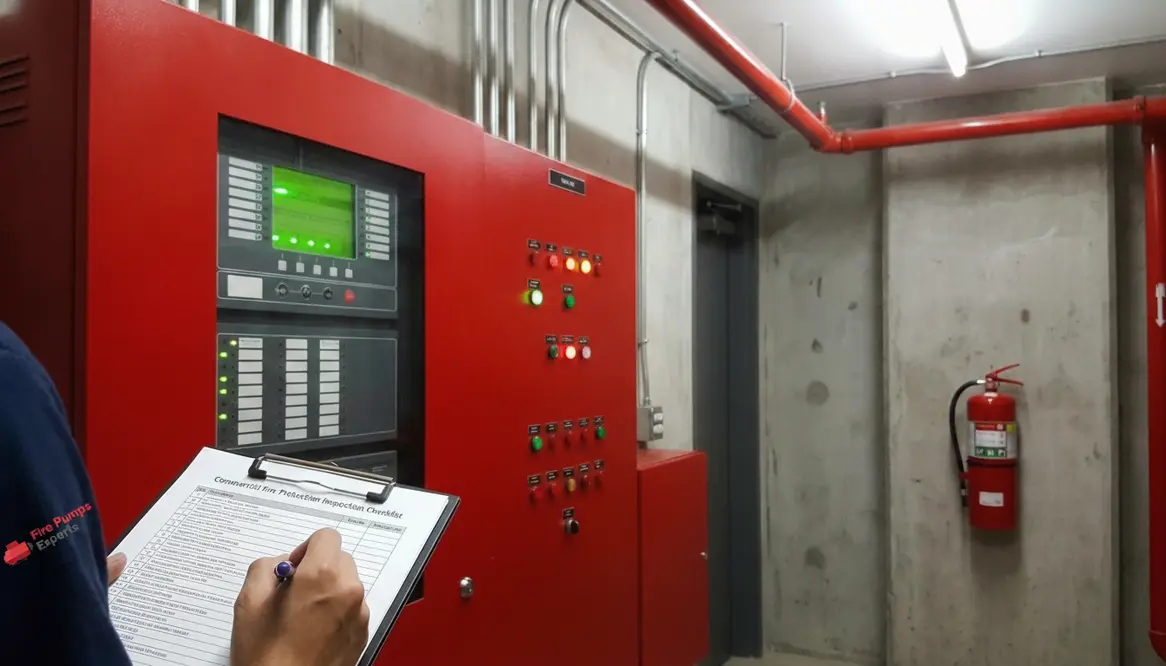
Commercial Fire Protection Inspection Checklist Guide
Commercial Fire Protection Inspection Checklist: What I Look For Before Trouble Does
When I walk into a commercial or industrial property, I do not start with drama. I start with a commercial fire protection inspection checklist. That simple tool keeps me focused, calm, and useful. It helps me catch small issues before they turn into big ones that cost money, shut down work, or make everyone pretend the fire drill was “a good team building moment.” In major properties, the stakes run high, so I treat every system like it matters, because it does. A clean, clear inspection process protects people, property, and business continuity, and that is the name of the game.
What I check first during a commercial fire protection inspection
I always start with the basics, because the basics tell the truth fast. First, I look at the fire alarm panel and make sure it shows normal status. Then I confirm there are no trouble lights, error codes, or disabled zones. After that, I check pull stations, strobes, horns, and visible damage. I also make sure exit paths stay clear and that doors close the way they should. If a door sticks open like it owns the place, I flag it right away.
Next, I look at the overall condition of the system. I check for missing labels, loose wiring, blocked devices, and signs of wear. I also review whether the system has up to date records. A strong fire protection system inspection checklist helps me see what needs attention now, not later, when later has become expensive.
Fire pumps and suppression systems that must stay ready
Fire pumps and suppression systems do the heavy lifting in many commercial and industrial facilities, so I give them real attention. I check pump room condition, valves, gauges, power supply, and controller status. I also confirm that the pump area stays dry, clean, and easy to reach. A pump can only protect a building if it can actually run when called. That part is not optional, no matter how confident the machinery may feel.
Here, I also inspect sprinklers, risers, and control valves. I look for corrosion, leaks, painted heads, missing escutcheons, and damaged piping. Then I make sure the valves stay open and secured. If the facility has a special hazard area, I review that suppression setup as well. In a large property, one weak link can cause a chain reaction. And trust me, the fire does not care about your schedule.
Dual view of system health for large properties
Operational checks
- I verify alarms, controls, valves, and pump status.
- I check device access, water supply, and clear pathways.
- I confirm the system can respond without delay.
Physical checks
- I look for leaks, rust, damage, and blocked equipment.
- I inspect labels, mounting, and visible wear.
- I note anything that could limit performance later.
How I handle documentation, testing, and records
Good records matter just as much as good equipment. So, I review past inspection reports, test results, repair notes, and maintenance logs. I want to see a clear pattern, because patterns tell me whether the building is improving or just collecting paperwork like an overachieving filing cabinet.
I also check that required tests happened on time. That includes alarm tests, pump tests, sprinkler checks, and any other scheduled service tied to the property type. If records are missing, I mark it. If repairs are open, I track them. This part of the commercial fire protection inspection checklist keeps ownership and facility teams honest, which is helpful for everyone except avoidable problems.
For industrial sites and major commercial buildings, I also recommend reviewing industry guidance from a trusted source such as commercial fire pump inspection resources for industrial facilities, including references available at https://firepumps.org. That kind of reference helps support a stronger process and keeps the inspection aligned with real site needs.
Why major commercial and industrial facilities need a tighter routine
Large properties face larger risks. They often hold more people, more equipment, more power, and more complexity. Because of that, I do not treat them like smaller sites with extra square footage. I treat them as high demand environments that need discipline.
For these buildings, I pay close attention to access roads, water supply, pump reliability, electrical backup, and the speed of response. I also watch for added risk in loading docks, warehouses, machine rooms, and mixed use support areas. A proper fire system inspection checklist should match the site, not the other way around. Otherwise, you end up with a checklist that looks nice but works about as well as a fake lightsaber.
Commercial fire protection inspection checklist for facility teams
Here is the part I want every facility team to keep simple and sharp.
Checklist items I always verify
- Alarm panel status and trouble signals
- Pull stations, horns, strobes, and annunciators
- Sprinklers, risers, valves, and visible piping
- Fire pumps, controllers, gauges, and power supply
- Clear access to equipment and exit paths
- Current test reports, repair logs, and service records
- Signs of corrosion, leaks, damage, or obstruction
If you stay consistent with this process, you build control. More importantly, you reduce surprise. And in fire protection, surprise is not a fun guest. A practical commercial fire protection inspection checklist lets your team see issues early, act on them, and prove it with records when someone asks the hard questions later.
Use your commercial fire protection inspection checklist as a living tool, not a once-a-year form. Walk the building, talk with maintenance staff, and adjust the checklist when new hazards, layouts, or systems appear. That way, the checklist follows reality instead of pretending the building never changes.
FAQ
Conclusion
If you manage a commercial or industrial property, I recommend making your fire protection review a steady habit, not a last minute scramble. Use a clear checklist, track repairs, and stay ahead of trouble before it grows teeth. If you want your systems ready, your records clean, and your building protected, now is the time to act. Contact a qualified fire protection team that knows major properties and can help keep your operation safe, ready, and fully covered.