Convention Center Fire Pump Anaheim Types Guide
I have spent enough time around large scale facilities to know one thing for sure. When thousands of people gather under one roof, safety systems are not optional. They are the quiet heroes. And when I talk about a convention center fire pump Anaheim, I am really talking about the heartbeat of fire protection in some of the busiest buildings in Southern California. These systems do not just sit in the background. They stand ready, calm and steady, like a seasoned security guard who has seen it all and still shows up early.
Now, let me walk you through the types of fire pumps you will find in Anaheim convention centers, and why each one plays its part like a well cast ensemble in a blockbuster film.
What fire pump types are used in Anaheim convention centers
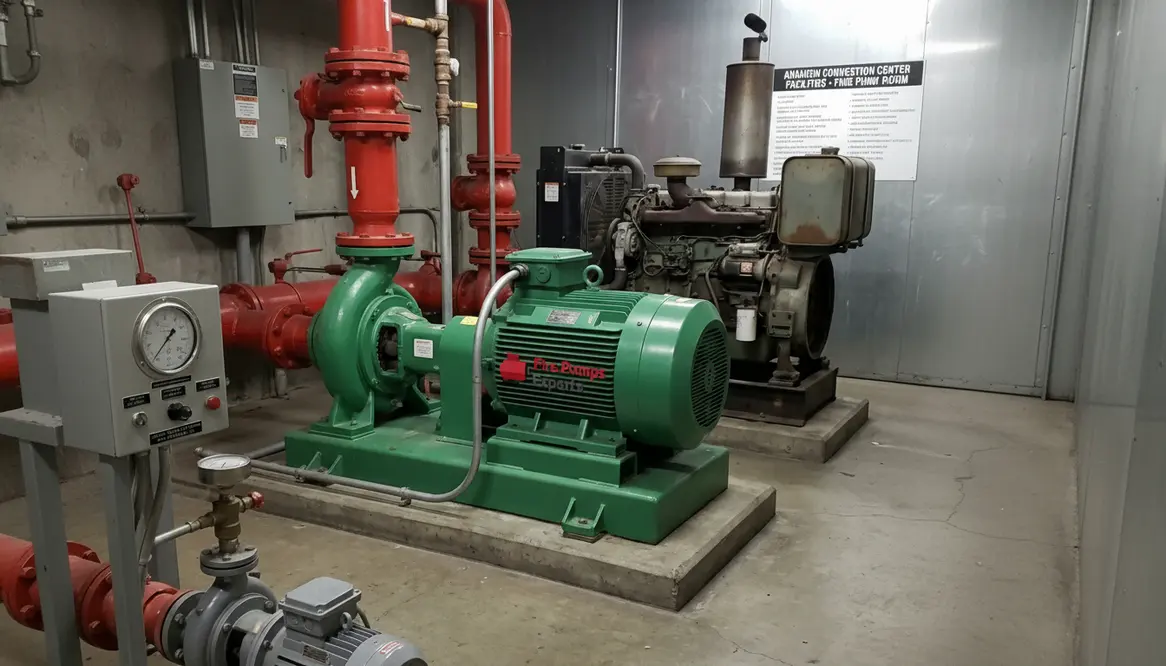
Let me answer this straight away. Convention centers in Anaheim rely on a mix of fire pump types because no single system covers every need. Typically, I see electric fire pumps, diesel fire pumps, and jockey pumps working together. Each has a job, and together they create a reliable safety net.
Electric pumps often lead the charge. They are efficient, clean, and dependable when power is stable. However, because we all know power can be unpredictable, diesel pumps step in as the rugged backup. Meanwhile, jockey pumps quietly maintain pressure so the main pumps do not have to kick on every time someone sneezes near a sprinkler head.
In other words, it is less about one hero and more about a well coordinated team. Think Avengers, but with less spandex and more steel.
Electric Fire Pumps in High Capacity Facilities
Electric fire pumps are often the first choice in large commercial properties. I like to think of them as the smooth operators of the group. They start quickly, run efficiently, and require less maintenance compared to their diesel counterparts.
In Anaheim convention centers, where power infrastructure is typically robust, electric pumps provide consistent performance. Moreover, they integrate seamlessly with automated fire protection systems. That means when a system detects a drop in pressure, the pump responds almost instantly.
However, I always remind clients that electric pumps depend entirely on a reliable power source. Therefore, they are rarely installed alone. Redundancy is not just a fancy word here. It is a necessity.
Diesel Fire Pumps for Reliability When It Matters Most
Now, if electric pumps are the smooth operators, diesel pumps are the tough guys who show up when things get messy. And in fire protection, messy is exactly what you prepare for.
Diesel fire pumps operate independently of the electrical grid. So, when power fails, they keep running without hesitation. This makes them essential in large scale venues like convention centers, where evacuation and suppression systems must function without interruption.
Additionally, diesel pumps are built for endurance. They can run for extended periods, which is critical during prolonged emergencies. Sure, they require more maintenance and fuel management, but that tradeoff is worth it. After all, this is not the place to cut corners.
Jockey Pumps and Pressure Stability in Large Systems
Now let us talk about the unsung hero. The jockey pump. It is not flashy, and it does not get much attention, but it plays a vital role.
Jockey pumps maintain system pressure at all times. Without them, the main fire pumps would cycle on and off constantly due to minor pressure drops. That is not just inefficient. It is also hard on the equipment.
Instead, the jockey pump handles small fluctuations quietly in the background. Consequently, the primary pumps stay ready for real emergencies. It is a bit like having a good stage manager. You may not see them, but the show would fall apart without them.
Choosing the Right Setup for a Convention Center Fire Pump Anaheim
Key Considerations
- Building size and layout
- Water supply availability
- Local fire codes and regulations
- Power reliability
- System redundancy requirements
System Goals
- Maintain constant pressure
- Ensure uninterrupted operation
- Support high occupant loads
- Enable fast emergency response
- Reduce wear on primary equipment
When I evaluate a convention center fire pump Anaheim setup, I focus on balance. Not just power, but reliability and adaptability. Each building has its own demands. For example, a facility hosting trade shows one week and large scale expos the next needs a system that can handle changing conditions without missing a beat.
Furthermore, compliance with California fire codes plays a major role. These are not suggestions. They are strict requirements designed to protect both people and property.
Maintenance and Long Term Performance
Even the best fire pump system will fail if it is ignored. That is just reality. Therefore, regular inspection and testing are critical.
I always recommend scheduled performance testing, fuel checks for diesel systems, and electrical inspections for motor driven pumps. In addition, monitoring system pressure trends can reveal issues before they become serious problems.
Think of it like going to the doctor. You do not wait until something breaks to pay attention. Preventive care keeps everything running smoothly and extends the life of the system.
FAQ
Below are answers to common questions that come up when planning or upgrading a convention center fire pump Anaheim installation, especially in high occupancy venues across Anaheim.
Conclusion
If you manage or operate a large scale facility, now is the time to take a closer look at your fire protection strategy. A well designed fire pump system is not just about compliance. It is about confidence. Reach out to professionals who understand commercial and industrial systems and ensure your convention center stays protected, prepared, and ready for anything.
When a convention center fire pump Anaheim system is thoughtfully engineered, maintained, and tested, it quietly protects every keynote, concert, and expo on the calendar. That quiet confidence is worth every bit of planning that goes into it.
For more detailed guidance on large facility fire pump strategies and code requirements, resources like https://firepumps.org can provide helpful technical background to support your next upgrade or design review.