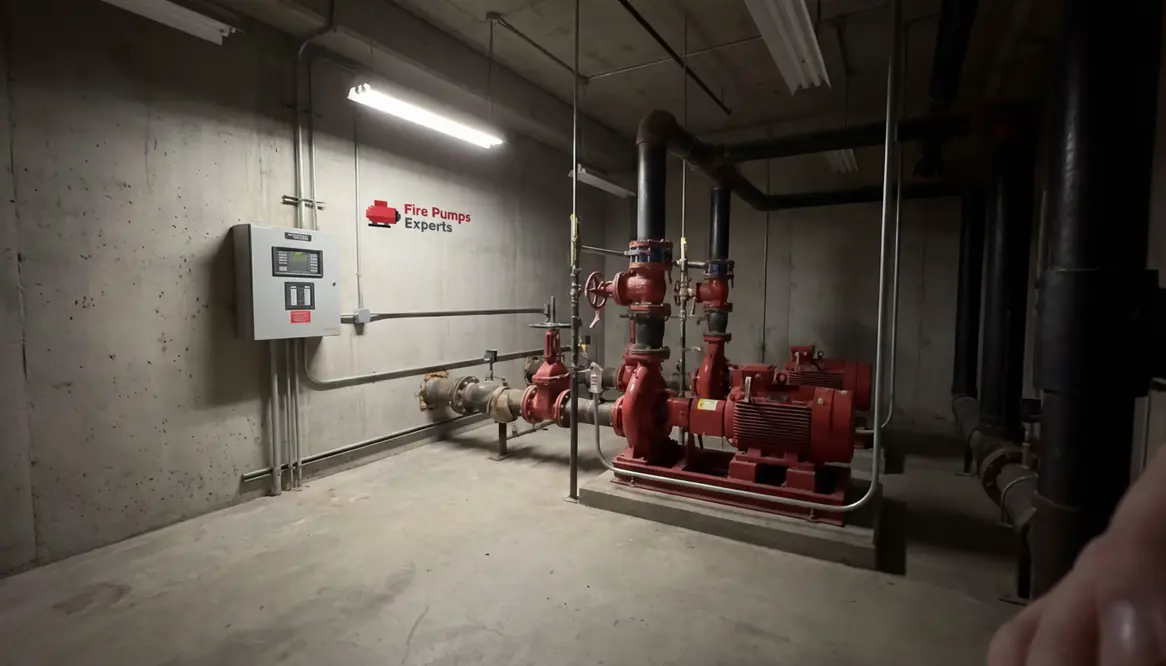
Corporate Headquarters Fire Pump System Planning
I have spent years walking through mechanical rooms that most people would rather avoid. Yet, in those humming spaces, I find something reassuring. A well planned fire pump system stands like a quiet bodyguard, waiting patiently for the one moment it truly matters. When I design corporate headquarters fire pump systems, I do not just think about compliance. I think about continuity, safety, and the simple truth that when things go wrong, there is no time for hesitation. So let us talk about how to plan these systems the right way, with clarity, purpose, and just a touch of personality.
What makes fire pump planning critical for flagship facilities?
When I approach a flagship property, I treat it like the main character in a blockbuster. This is not the place for shortcuts. These buildings carry brand identity, high occupancy, and expensive infrastructure. Therefore, the fire protection strategy must be as strong as the business itself.
First, scale changes everything. Larger footprints mean longer pipe runs, higher pressure demands, and more complex zoning. As a result, I always start with a hydraulic analysis that reflects real world demand, not just code minimums.
Next, redundancy becomes non negotiable. If one pump fails, another must step in without drama. Think of it like having a stunt double ready, except no one wants to see the stunt.
Finally, integration matters. The fire pump cannot exist in isolation. It must communicate with alarms, backup power, and building management systems. Otherwise, you are running a symphony with half the orchestra missing.
Designing corporate headquarters fire pump systems that actually perform
I have seen beautifully designed systems fail because they looked good on paper but ignored real conditions. So I focus on performance first, aesthetics later.
To begin with, I select pumps based on actual demand curves, not guesswork. Electric or diesel choices depend on power reliability. If the grid is shaky, I lean toward diesel. It is not glamorous, but it shows up when needed, like that one dependable friend who never cancels plans.
In addition, suction supply must be stable. A fire pump is only as good as the water feeding it. Poor tank design or undersized supply lines can choke performance. Therefore, I ensure proper tank capacity, refill rates, and suction piping layout.
Then comes control logic. Modern systems allow smart monitoring, but I avoid overcomplication. If a system requires a PhD to operate during an emergency, it has already failed.
How do I align fire pump planning with business continuity goals?
I always remind stakeholders that fire protection is not just about safety. It is about keeping the business alive after an incident.
Because of that, I position pumps in protected, accessible locations. Flood zones, cramped basements, or areas prone to vibration are off my list. In contrast, I choose spaces that allow maintenance teams to work without acrobatics.
Moreover, I factor in downtime scenarios. What happens if a pump needs servicing? I build in isolation valves and bypass options so operations can continue. No one wants to explain to executives why the building is offline because of routine maintenance.
And yes, I also consider future expansion. A flagship facility today might double in size tomorrow. Planning for scalability now saves a lot of headaches later.
Key components I never overlook in high value properties
Core mechanical elements
- Primary and backup pumps sized for peak demand
- Jockey pumps to maintain system pressure
- Reliable water storage with proper turnover
- Robust piping design to minimize friction loss
Operational intelligence
- Clear control panels with intuitive layout
- Monitoring systems tied to building alerts
- Routine testing protocols that teams actually follow
- Documentation that does not read like ancient code
While these elements may sound standard, the difference lies in execution. I have seen top tier buildings stumble because someone treated these as checkboxes instead of priorities.
Avoiding common planning mistakes in large scale facilities
Now, let me save you from a few classic missteps. Because if I had a dollar for every one of these, I would probably be writing this from a beach.
First, underestimating demand is a frequent issue. Designers sometimes rely too heavily on minimum code requirements. However, flagship buildings often exceed those assumptions during real emergencies.
Second, poor coordination between teams can derail everything. Mechanical, electrical, and fire protection engineers must stay aligned. Otherwise, you end up with systems that conflict instead of cooperate.
Third, neglecting testing and commissioning is a silent killer. A system that is never properly tested is like buying a sports car and never turning the key. It looks impressive, but it does not do much.
Finally, I avoid overengineering for the sake of it. Yes, I enjoy a sophisticated setup, but complexity should serve a purpose. If it does not, it becomes a liability.
FAQ about fire pump planning for major facilities
Before mapping out corporate headquarters fire pump systems for any flagship site, I walk owners through a handful of questions that come up again and again. The right answers shape everything from pump sizing to where the next renovation will run its riser.
Bringing it all together with confidence
When I plan systems for flagship properties, I think beyond equipment. I think about people, operations, and reputation. A well executed fire pump strategy quietly protects all three. So if you are building or upgrading a major facility, do not leave this to chance. Partner with experts who understand the stakes, design with intention, and build systems that perform when it counts. Because when the moment comes, you want certainty, not surprises.