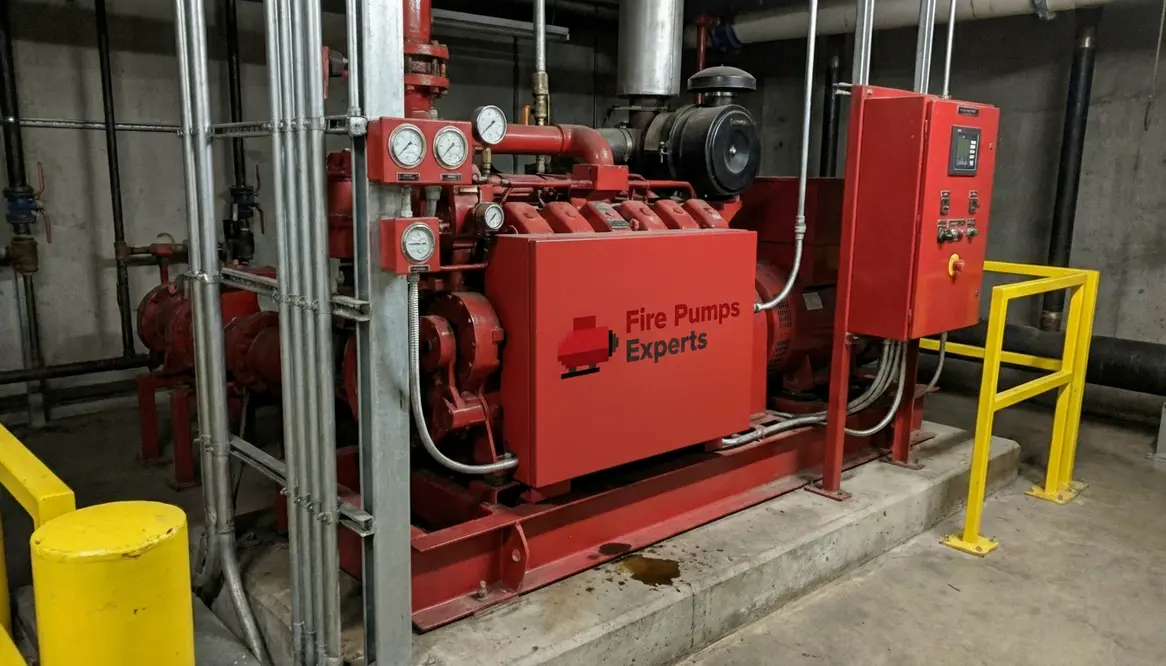
diesel fire pump failure modes Australia guide and fixes
A practical field guide to keeping your last line of defense ready when everything else is going wrong.
I have spent years around engine rooms where the hum of machinery feels like a steady heartbeat. And when that rhythm breaks, especially in an emergency, the silence can get loud. In commercial and industrial facilities, diesel driven fire pumps stand as the last line of defense. Yet even these workhorses can falter. Understanding diesel fire pump failure modes Australia is not just a technical exercise. It is a matter of protecting assets, operations, and lives when the pressure is on and the margin for error disappears.
What actually causes diesel fire pump failure under emergency conditions?
Let me answer this straight away. Most failures do not come from dramatic explosions or Hollywood style breakdowns. Instead, they come from quiet neglect and overlooked details.
First, fuel issues lead the pack. Contaminated diesel, water ingress, or degraded fuel can choke an engine faster than a bad plot twist in a late season TV show. Then, battery failure follows closely. If the starting system cannot deliver power, the pump simply does not start. It is that simple.
Moreover, cooling system problems creep in during extended runs. Under emergency conditions, pumps often run longer than usual. If coolant levels are low or heat exchangers are clogged, overheating becomes inevitable. And just like that, performance drops.
Finally, control panel faults and sensor failures can send false signals. The pump might think everything is fine while it is actually struggling. That mismatch can delay response times when every second counts.
diesel fire pump failure modes Australia in real world facilities
In large scale facilities across Australia, I have seen patterns repeat. The environment plays a role, but human factors often tip the scale.
For instance, coastal facilities deal with corrosion. Salt in the air quietly eats away at components. Meanwhile, remote industrial sites face inconsistent maintenance schedules. Out of sight often becomes out of mind, until an emergency reminds everyone why that is risky.
Additionally, load testing is sometimes treated like a checkbox exercise. However, without realistic simulation, hidden weaknesses stay hidden. A pump that passes a light test might fail under true emergency demand.
Common Failure Triggers
- Fuel contamination and microbial growth
- Battery degradation or loose connections
- Cooling system blockages
- Air intake restrictions
Operational Oversights
- Irregular testing schedules
- Incomplete maintenance records
- Ignoring minor alarms
- Delayed component replacement
How I identify early warning signs before failure hits
I like to think of diesel fire pumps as storytellers. They always give clues. You just have to listen.
For example, unusual vibration often signals alignment issues or internal wear. Likewise, a slight drop in pressure can hint at suction problems or leaks. These signs rarely shout. Instead, they whisper.
Then there is the smell factor. Yes, it sounds old school, but burnt odors or fuel smells often point to leaks or overheating components. Not exactly glamorous, but effective.
Also, data logging has changed the game. Modern systems track performance trends. When I see gradual changes over time, I know something is brewing beneath the surface. It is like watching the first act of a movie where you already suspect the villain.
diesel fire pump failure modes Australia and how I prevent them
Prevention, in my experience, is less about big upgrades and more about disciplined habits.
First, I insist on fuel quality management. Regular testing and polishing keep contaminants at bay. Next, I never compromise on battery maintenance. Redundant starting systems only work if each component is ready.
Furthermore, I prioritize realistic testing. Full load testing under simulated emergency conditions reveals weaknesses that routine checks miss. It is the difference between rehearsing lines and performing on opening night.
Another key step involves training. Teams must understand how systems behave under stress. When operators recognize abnormal patterns early, they act faster and smarter.
And yes, documentation matters. Detailed records help track trends and predict failures before they happen. It may not be exciting reading, but it saves the day more often than any heroic last minute fix.
The hidden cost of ignoring failure risks
Let me be blunt. Ignoring these risks does not just lead to equipment damage. It threatens entire operations.
In commercial and industrial properties, downtime can cost thousands per minute. Add fire risk into the mix, and the stakes climb quickly. Insurance claims become complicated. Compliance issues follow. Reputation takes a hit.
On top of that, emergency responders rely on these systems. If a pump fails when they need it most, the consequences extend far beyond the facility itself.
So while maintenance might seem like a routine expense, it is actually a strategic investment. Skipping it is like skipping leg day at the gym. It might feel fine now, but eventually, something gives.
FAQ quick answers for facility managers
These are the questions that come up most often when discussing diesel fire pump failure modes Australia with facility teams, contractors, and insurers.
Conclusion
When I look at diesel fire pump systems, I do not just see machinery. I see a promise of protection. And that promise only holds if the system performs under pressure. If you manage a commercial or industrial facility, now is the time to act. Review your maintenance strategy, test with purpose, and address risks before they escalate. Partner with specialists who understand these systems deeply, because when an emergency strikes, preparation is the only thing standing between control and chaos.