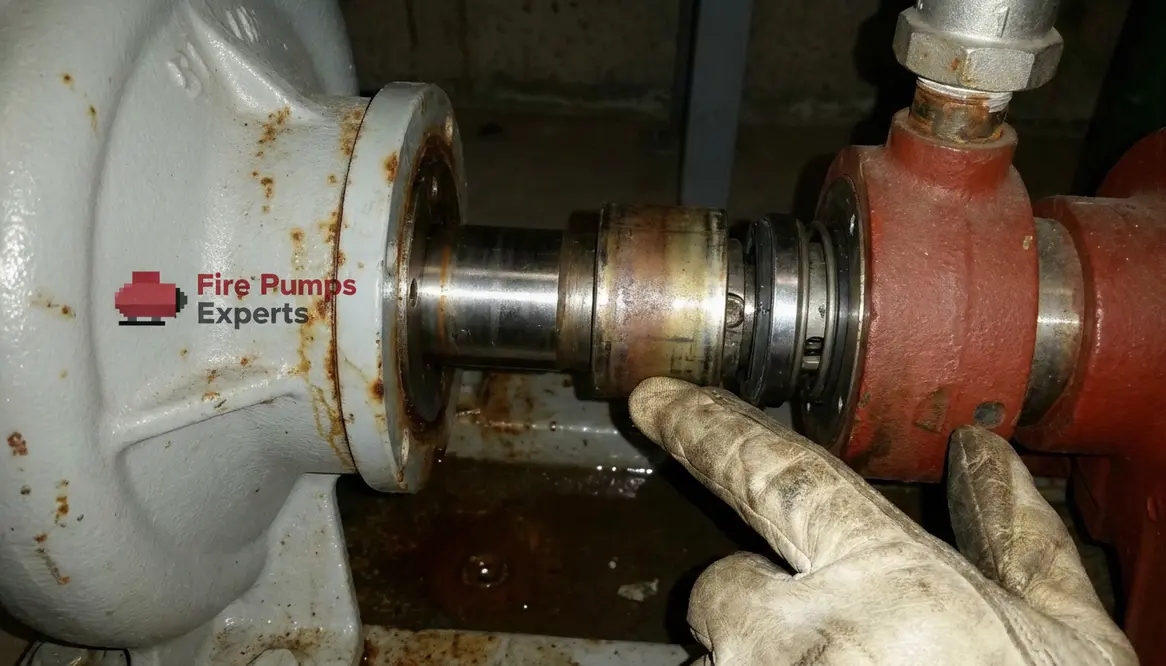
Early Signs of Fire Pump Shaft Sleeve Wear
When I walk up to a fire pump, I do not start with the big shiny parts. I listen, I look, and I watch for the small clues that tell the real story. The first fire pump shaft sleeve wear symptoms often show up as strange noise, tiny leaks, and vibration that feels a little too eager to join the party. In a commercial or industrial building, those clues matter. A sleeve that wears down can turn a reliable fire pump into a problem child, and nobody wants that kind of drama when life safety is on the line.
Technicians catch these signs early because a worn sleeve does not usually shout. It whispers. Then, if nobody listens, it starts acting like it owns the place. I have seen that happen more than once, and it never ends with a smile.
Fire pump shaft sleeve wear symptoms I check first
The first thing I notice is a change in seal behavior. If the shaft sleeve wears unevenly, the mechanical seal or packing can lose its clean contact. Then I may see drips near the seal area, wet residue, or a steady leak that was not there before. Even a small leak can point to a bigger issue because the sleeve often acts as the smooth surface the seal depends on.
Next, I watch for heat and sound. A worn sleeve can create friction, and friction loves to make noise. So, if I hear a grinding tone, a soft scrape, or a new hum that sounds off key, I pay attention. Sometimes the pump still runs, but it sounds like it is working through a headache. That is not a good sign, even if the machine is trying to stay classy.
What technicians notice during inspection
When I inspect the shaft area, I look for grooves, discoloration, and uneven polish on the sleeve surface. A healthy sleeve usually looks smooth and even. By contrast, a failing sleeve can show ridges or worn bands where the seal has been rubbing too hard. That wear pattern tells me the pump has been under stress for a while.
I also check for vibration in the shaft line. A sleeve that has started to fail may let the shaft move in a way it should not. As a result, the pump may shake more during operation, and nearby parts may loosen faster. In a large commercial or industrial facility, that kind of movement can snowball. One small worn part today can become a service call that ruins everyone’s afternoon tomorrow.
Signs technicians catch before a shutdown
Here is how I break it down when I want a quick field view of the problem:
Visible signs
- Leak at the seal area
- Grooves or scoring on the sleeve
- Rust or discoloration
- Uneven wear marks
Running signs
- New vibration
- Rough sound from the pump
- Heat near the shaft zone
- Seal wear that returns too soon
That split view helps me move fast. However, I never stop at one symptom. A sleeve issue can hide behind a seal issue, and a seal issue can hide behind poor alignment. In other words, the pump may be telling a full story, but it rarely starts with chapter one.
Why shaft sleeve wear happens in commercial fire pumps
In my experience, wear usually comes from a mix of normal use, poor alignment, contaminated water, or long periods of service without close checks. Fire pumps in major property buildings and industrial sites do serious work, so some wear is expected. Still, wear should not appear early or fast. If it does, I start asking why.
For example, a rough shaft surface can chew through a sleeve. Likewise, bad alignment can push the seal against one side and create a wear path. Dirt in the water can act like grit in a gear scene from a low budget action movie. It gets everywhere and ruins the finish. Over time, the sleeve loses its smooth surface, and the seal loses its best partner.
How I respond when I find wear
Once I confirm the problem, I do not treat it like a one step fix. I check the seal, the shaft, the bearing condition, and the pump alignment. Then I look at service history. If the same problem keeps coming back, something deeper is wrong, and the sleeve is only the messenger.
That is why I like to compare the pump condition with the service standards used in trusted fire protection work, such as the los angeles fire pump service guide and related resources from fire pump service support. I also keep an eye on connected systems and building protection needs through industrial electrical support for facilities and fire sprinkler service support, because a fire pump never works alone.
FAQ
Conclusion
If I spot any fire pump shaft sleeve wear symptoms, I act quickly, because small wear can grow into a costly failure fast. For commercial and industrial facilities, that is not a risk worth flirting with. So, if your pump shows leaks, vibration, heat, or strange sound, schedule a professional inspection now. Treat the warning signs early, protect the system, and keep the building ready when it matters most. In fire protection, calm is good, but waiting is not a strategy.