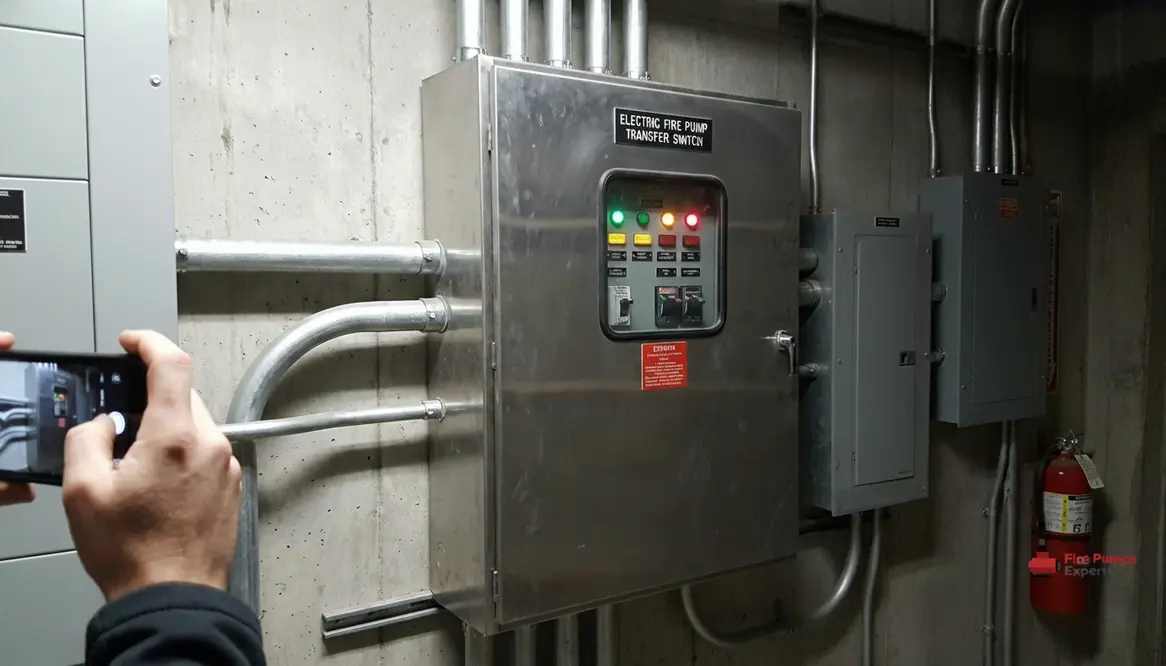
Electric Fire Pump Transfer Switch Guide
I have spent enough time around critical infrastructure to know one thing with certainty. When power fails, panic usually follows. That is exactly where an electric fire pump transfer switch steps in, calm and dependable, like the one person in a disaster movie who actually read the manual. In large commercial and industrial buildings, this device quietly ensures that fire protection systems never lose power when they are needed most. And trust me, when alarms are blaring, you want quiet reliability, not drama.
What Does an Electric Fire Pump Transfer Switch Actually Do
At its core, this device monitors incoming power and automatically switches to a backup source when the main supply drops. However, that simple sentence hides a lot of precision engineering. I like to think of it as a vigilant night guard who never blinks.
In addition, it constantly checks voltage levels. If it senses instability or a full outage, it transfers the load to an alternate power source, usually a generator. The fire pump keeps running, water keeps flowing, and the building stays protected.
Moreover, these switches are built specifically for fire pumps, which means they follow stricter standards than general transfer switches. They do not hesitate, they do not second guess, and they do not wait for permission. They act instantly.
Why Commercial Buildings Rely on This System
Now let me be clear. In commercial and industrial facilities, downtime is not just inconvenient, it is expensive and dangerous. Therefore, fire protection systems must operate independently of unreliable power conditions.
For example, in a high rise office or manufacturing plant, a power outage during a fire event could be catastrophic. However, with a properly installed transfer switch, the system maintains continuity without human intervention.
Additionally, regulatory codes demand this level of reliability. Organizations referencing standards such as those discussed on commercial fire pump system compliance guidelines emphasize the need for automatic switching systems that meet strict operational criteria.
And frankly, inspectors are not known for their sense of humor. If the system fails, they will not laugh it off.
How Does an Electric Fire Pump Transfer Switch Work in Real Time
I like to walk through this like a scene from a movie, minus the explosions.
First, the system monitors the primary power source continuously. Meanwhile, the backup source stands ready, like a backup actor who secretly hopes for a chance to shine.
Then, if voltage drops below acceptable levels, the switch initiates a transfer. This happens quickly, often within seconds, ensuring the fire pump never stops running.
Afterward, once stable power returns, the system switches back. However, it does so carefully to avoid damaging equipment or causing interruptions.
All of this happens automatically. No one needs to run into an electrical room flipping switches like they are in an action movie. That is probably for the best.
Key Components That Make It Reliable
Controller System
This acts as the brain. It monitors power conditions and commands the transfer process for the electric fire pump transfer switch.
Switching Mechanism
This physically shifts the load between power sources. It must operate smoothly and without delay.
Sensors and Relays
These detect voltage changes and trigger action. Precision here is critical for a dependable electric fire pump transfer switch.
Enclosure and Protection
Designed to withstand harsh environments, especially in industrial facilities where the electric fire pump transfer switch may face heat, dust, or moisture.
Each component works together like a well rehearsed orchestra. If one part misses a beat, the entire performance suffers.
Installation Considerations for Large Scale Facilities
I have seen installations done right, and I have seen others that make you question everything. Therefore, proper planning matters.
Placement Strategy
First, placement is key. The switch should be located close to both power sources and the fire pump controller. This reduces delay and improves reliability.
Generator Coordination
Next, coordination with generators is essential. The system must align with generator startup times and capacity. Otherwise, you end up with a beautifully installed switch that has nothing to switch to.
Testing and Maintenance
In addition, regular testing is non negotiable. Facilities should schedule routine inspections to confirm the system performs as expected. Think of it as a dress rehearsal, except the stakes are much higher.
Compliance and Liability
Finally, compliance with fire codes and electrical standards ensures not only safety but also legal protection. Skipping this step is like ignoring the fine print on a contract. It always comes back to haunt you.
Common Misconceptions I Hear Too Often
People sometimes assume that all transfer switches are the same. That is simply not true. A standard transfer switch cannot meet the demands of a fire pump system.
Others believe manual switches are sufficient. However, in an emergency, time is everything. Waiting for human action introduces risk that no facility should accept.
Then there is the idea that once installed, the system can be forgotten. Unfortunately, that mindset leads to failure. Like any critical equipment, it needs attention and testing.
And yes, I have heard someone say, “It probably works.” That is not a strategy. That is wishful thinking wearing a hard hat.
FAQ About Electric Fire Pump Transfer Switch Systems
Below are quick answers to questions that come up whenever an electric fire pump transfer switch is mentioned during design reviews or inspections.
Keep Your System Ready When It Matters Most
In my experience, preparation always beats reaction. An electric fire pump transfer switch is not just another component, it is a safeguard that keeps critical systems alive when everything else goes dark. If you manage a commercial or industrial facility, now is the time to review your setup, verify compliance, and ensure every piece performs flawlessly. Because when the unexpected happens, you do not want excuses. You want certainty.