Electric Fire Pump Motor Overheating Causes Fixes
I have spent enough time around pump rooms to know one thing for certain. When an electric fire pump motor overheating issue shows up, it rarely arrives alone. It brings noise, stress, and that subtle sense of “this could get expensive fast.” In large commercial and industrial facilities, where uptime is everything and safety is non negotiable, overheating is not just a nuisance. It is a warning shot. So let me walk you through what actually causes it, how to spot it early, and how to stay ahead of it without losing sleep or your budget.
What causes electric fire pump motor overheating in large facilities?
I will give it to you straight. Motors do not overheat for fun. Something pushes them there. Most often, I see a combination of electrical strain and mechanical resistance quietly building until the system says, “That is enough.”
First, voltage imbalance is a frequent culprit. Even a small imbalance forces the motor to work harder on one phase, which creates excess heat. Meanwhile, poor ventilation turns your motor enclosure into something that feels like a summer afternoon in Arizona. Not ideal.
Then there is overloading. If your pump is working beyond its design capacity, the motor draws more current than it should. More current means more heat. It is simple physics, not a conspiracy.
And finally, I cannot ignore maintenance neglect. Dust buildup, worn bearings, and misalignment all increase friction. Friction is basically heat wearing a disguise.
Key mechanical and electrical triggers I watch closely
Electrical factors
These are the quiet stress builders that slowly turn into electric fire pump motor overheating if ignored:
- Voltage imbalance across phases
- Loose or corroded connections
- Undersized wiring for load demand
- Frequent starts and stops
Mechanical factors
Mechanical issues add resistance, which is one of the fastest paths to electric fire pump motor overheating:
- Worn bearings increasing resistance
- Pump misalignment with motor shaft
- Blocked cooling vents
- Improper lubrication practices
Now here is where it gets interesting. These issues rarely act alone. A slightly misaligned shaft combined with poor airflow can quietly push temperatures higher over weeks. Then one day, the system trips, and everyone acts surprised. I have seen it play out like a slow burn plot twist more times than I can count.
Why cooling failures quietly escalate into serious problems
Cooling is not glamorous, but it is essential. When airflow gets restricted, heat has nowhere to go. I often compare it to wearing a winter coat during a workout. You might push through for a while, but eventually, your body protests. Motors do the same thing, except they do not complain. They fail.
Additionally, clogged vents or failed cooling fans reduce heat dissipation. As temperatures climb, insulation starts to degrade. Once that happens, the motor’s lifespan drops sharply. You may not notice it immediately, but the clock starts ticking faster.
In large properties, where fire pump systems must remain ready at all times, this kind of hidden degradation is unacceptable. That is why routine inspection of airflow paths and cooling components is not optional. It is part of staying operational.
How load conditions shape motor temperature behavior
I always remind facility teams that load is not just a number on paper. It is a living condition that changes with system demand. When a pump runs beyond its rated capacity, heat builds quickly.
However, even normal loads can cause trouble if conditions shift. For example, increased system pressure requirements or partially closed valves can force the pump to work harder. The motor responds by drawing more current, and just like that, temperatures begin to climb.
Then there is cycling. Frequent starts generate heat spikes. Over time, those spikes stack up. It is like repeatedly sprinting without rest. Eventually, something gives.
Early warning signs I never ignore
I like to think of overheating as a conversation. The motor speaks. You just have to listen.
- Unusual humming or vibration patterns
- A noticeable rise in surface temperature
- Burning smells, which is never a good plot twist
- Repeated tripping of thermal protection systems
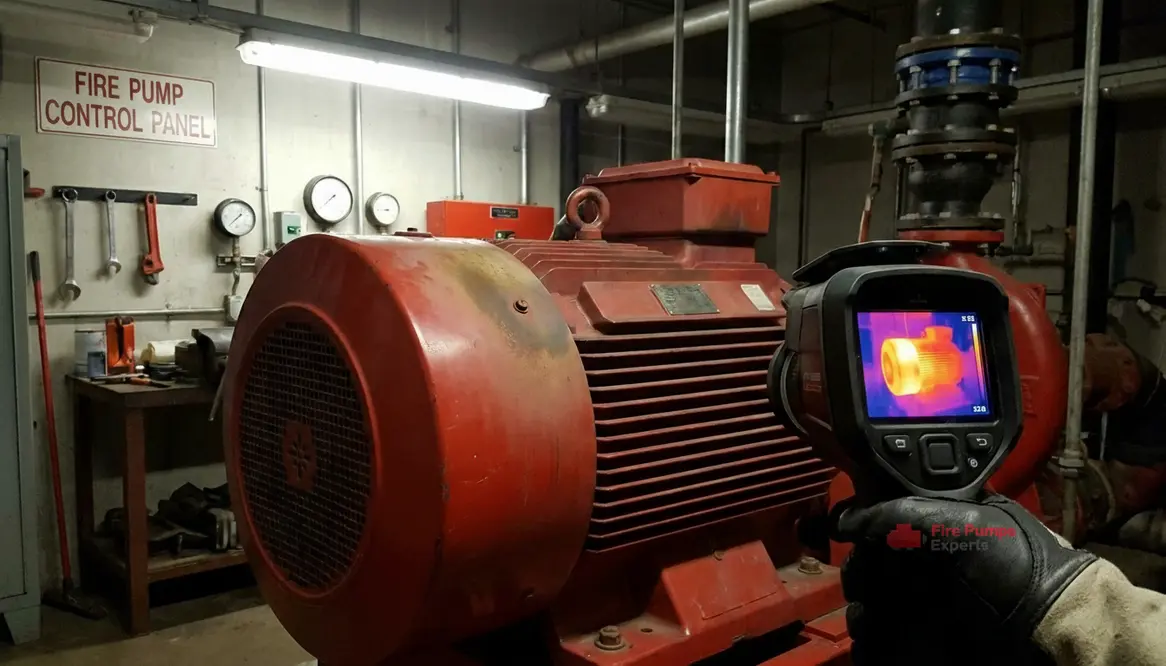
Moreover, thermal imaging can reveal hot spots long before failure. In commercial and industrial environments, this is one of the most effective tools for staying ahead of trouble. It is like having x ray vision, minus the superhero costume.
Preventing electric fire pump motor overheating with smarter practices
I approach prevention like a routine, not a reaction. First, I ensure proper electrical balance. Regular testing keeps voltage levels in check and avoids unnecessary strain.
Next, I stay on top of mechanical alignment. Even small deviations can create long term heat issues. Precision matters here more than most people realize.
Then I prioritize airflow. Clean vents, functional fans, and clear surroundings make a noticeable difference. It is simple, yet often overlooked.
Finally, I keep maintenance consistent. Not flashy. Not dramatic. Just consistent. Because in my experience, the facilities that avoid major failures are the ones that respect the basics and keep an eye on electric fire pump motor overheating before it ever turns into a shutdown event.
FAQ
A few quick answers to questions that usually come up when electric fire pump motor overheating starts to appear on inspection reports or maintenance logs.
Keep your system steady and your risks low
I have seen what happens when small issues get ignored. They grow, they compound, and eventually, they interrupt operations at the worst possible moment. If you manage a commercial or industrial facility, staying ahead of heat related motor issues is not just smart. It is essential. Take action early, invest in proper maintenance, and keep your fire protection systems ready when it matters most. Because when the pressure rises, your equipment should not be the weak link.