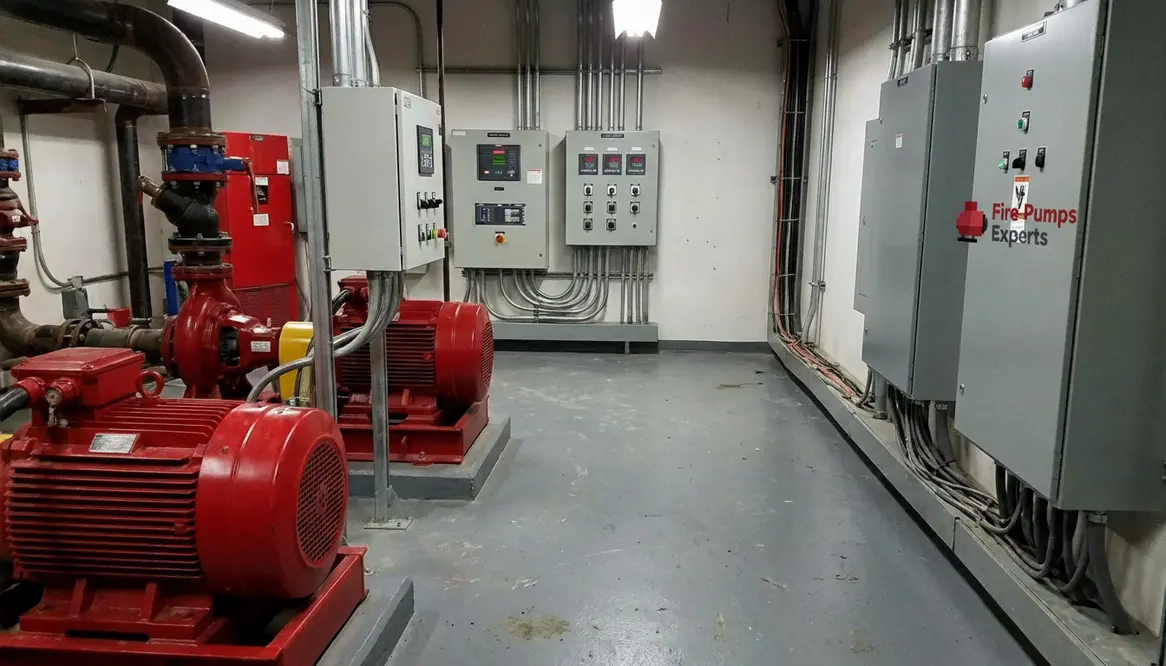
Electric Fire Pump Power Supply Reliability Guide
I have spent enough time around commercial pump rooms to know one truth: when a fire breaks out, nobody cares how pretty the equipment looks. They care if it works. And that brings me straight to the electric fire pump power supply, the quiet backbone that decides whether your system rises to the occasion or folds like a cheap lawn chair. In large facilities and high value properties, power reliability is not a luxury. It is survival. So let’s walk through what actually matters, without the fluff, and maybe with a few smirks along the way.
What makes an electric fire pump power supply reliable in real world conditions?
Reliability is not about having power. It is about having the right power, at the right time, without interruption. That means dedicated circuits, stable voltage, and protection from failure points that love to show up uninvited.
First, I always look for a dedicated feeder. Sharing power with other building systems is like sharing fries at a table. You think it will work out until it absolutely does not. A fire pump needs priority, plain and simple.
Next, voltage stability matters. Sudden drops can stall motors, while spikes can damage components. Therefore, proper transformers and protective devices are not optional extras. They are the guardians at the gate.
Finally, redundancy earns its place here. In mission critical buildings, a secondary source such as a generator or alternate utility feed ensures the pump keeps running even when the grid decides to take a nap.
Translating reliability into everyday decisions
When I evaluate an electric fire pump power supply, I picture the worst possible day for that building and work backward. If a single breaker trip, cable failure, or voltage sag can silence the pump, the design needs another round. Reliability is built in the boring details long before the sirens ever sound.
Core components that keep the system alive
I like to think of the system as a team. Each part plays its role, and when one slacks off, the whole operation suffers. The quality of the electric fire pump power supply is only as strong as its weakest player.
Power source
This includes utility service or an on site generator. In commercial properties, dual sources are common because relying on one is like betting your entire building on a coin toss. When the coin lands the wrong way, your electric fire pump power supply should still have a way to keep the pump running.
Controller
The controller acts as the brain. It monitors pressure and starts the pump automatically. Modern controllers also log events, which is helpful when someone inevitably asks, “what happened?” If the controller is confused or underpowered, the smartest electric fire pump power supply in the world cannot save the day.
Transfer switch
This device shifts power between sources. It must act quickly and smoothly. No drama. No hesitation. A laggy or questionable transfer switch turns redundancy into a very expensive illusion.
Wiring and protection
Cables, breakers, and enclosures must withstand heat and physical damage. Fire rated wiring is not just a suggestion. It is a necessity. If the path between the electric fire pump power supply and the pump itself cannot ride out a fire, you end up with a perfectly designed system that fails exactly when you need it.
Design rules I follow for electric fire pump power supply compliance
Codes exist for a reason, and ignoring them is a fast track to failure. I stick closely to standards like NFPA 20 because they have already seen every mistake in the book.
For example, I ensure that feeders are routed away from high risk areas. Running critical wiring through a space likely to burn is like hiding your lifeboat in the engine room of the Titanic. Not ideal.
Additionally, I specify fire resistant construction for circuits. This allows the system to operate even as conditions worsen. And yes, it costs more upfront, but so does rebuilding a facility.
Moreover, proper testing is non negotiable. Weekly churn tests and periodic full load testing confirm that everything works when it counts. If a system has not been tested, it is just a very expensive decoration.
Designing for the worst hour of the building’s life
When I sketch out routes and one lines, I picture smoke, sprinklers flowing, alarms screaming, and responders fighting their way in. If under those conditions the electric fire pump power supply can still deliver clean, stable power to the pump, then the design is doing its job. If not, the drawings go back on the table.
Common mistakes I see in large facilities
Even in major buildings, I still run into the same avoidable issues. It is almost comforting, in a frustrating kind of way.
One big mistake is undersized power infrastructure. When the pump starts, it draws significant current. If the system cannot handle that surge, it trips or stalls. That is not a dramatic moment you want during an emergency.
Another issue is poor maintenance planning. Dust, corrosion, and loose connections quietly build up over time. Then one day, everything stops working. It is less of a surprise and more of a slow motion disaster.
I also see facilities neglect documentation. Without clear diagrams and records, troubleshooting becomes guesswork. And guesswork during a fire event is about as useful as bringing a spoon to a sword fight.
For deeper guidance on system expectations, I often point teams to resources like commercial fire pump system standards and best practices, which align well with large scale property needs.
How to keep these mistakes out of your building
The cure is painfully simple: size feeders correctly, inspect relentlessly, tighten connections, clean out panels, and update drawings every time something changes. None of it is glamorous, but it is exactly what keeps an electric fire pump power supply from turning into the weak link on the worst possible day.
How do I future proof a fire pump power system?
I approach this with one mindset: assume things will go wrong, then design so they do not matter.
First, I plan for load growth. Buildings evolve, and power demands increase. Leaving room for expansion avoids costly upgrades later.
Then, I integrate monitoring systems. Real time alerts help teams respond before small issues become major failures. It is like having a smoke alarm for your power infrastructure, which feels appropriately on brand.
Finally, I consider environmental factors. Flooding, heat, and even vibration can impact performance. Protecting equipment from these risks ensures longevity and reliability.
Building in resilience, not just redundancy
Future proofing an electric fire pump power supply is not only about stacking backup sources. It is about clean layouts, logical segregation of circuits, quality components, and a monitoring strategy that tells you when things start drifting out of spec. That way, the first time you hear about a problem is not during a fire event.
FAQ
Wrapping it up with purpose
When I look at a building, I do not just see walls and systems. I see responsibility. A properly designed electric fire pump power supply is not just about compliance. It is about protecting people, assets, and continuity.
If your facility depends on performance under pressure, then now is the time to evaluate, upgrade, and secure your system with confidence. Look at feeders, controllers, transfer switches, wiring protection, and every piece that touches the electric fire pump power supply, and ask one blunt question: “Will this still work on the worst day we can imagine?”
Because when the moment comes, there are no second chances, only preparation. The buildings that come through intact are the ones where someone, somewhere, took the time to make sure that quiet backbone of the system was ready to carry the load without flinching.