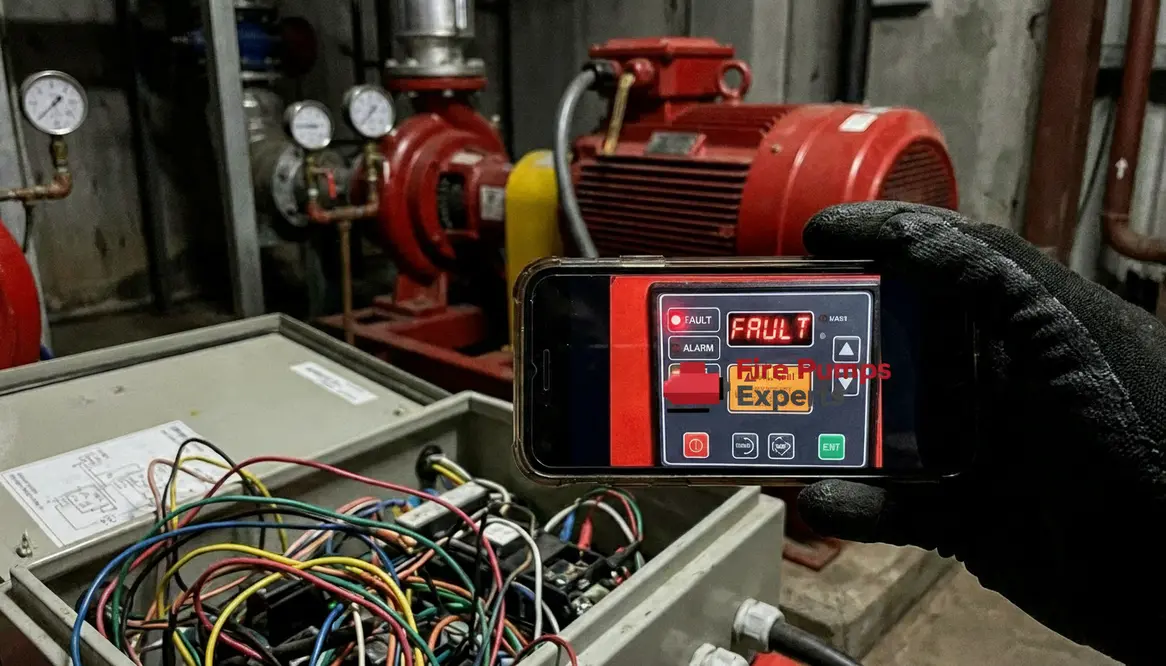
Fire Pump Controller Troubleshooting Guide for Facilities
I have spent enough time around mechanical rooms to know one thing: when a fire pump controller starts acting up, it never picks a convenient moment. It waits for the worst possible time, like a villain in a blockbuster who shows up right when the hero is grabbing coffee. That is why fire pump controller troubleshooting is not just a technical task. It is a responsibility. In commercial and industrial facilities, where safety systems protect lives and assets at scale, getting this right matters more than most people realize. So let me walk you through it, calmly and clearly, like we have all the time in the world… even if the alarm panel says otherwise.
What I Check First When a Fire Pump Controller Acts Up
First things first, I do not panic. I have seen enough blinking lights to know they often look more dramatic than they are. Still, I start with the basics because, more often than not, the simplest answer wins.
I check power. It sounds obvious, but power issues cause a surprising number of failures. Then I look at the controller display for fault codes. Modern systems are helpful, almost like they are whispering clues if you are willing to listen.
After that, I verify that the controller is in the correct mode. You would be amazed how often a system is left in manual when it should be automatic. It is like leaving your car in neutral and wondering why it is not moving.
Additionally, I inspect wiring connections for looseness or corrosion. In large facilities, vibration and environmental factors quietly do their damage over time. Therefore, a quick visual check can save hours of guesswork.
Fire Pump Controller Troubleshooting for Power and Electrical Issues
Now we get into the heart of the matter. Electrical faults are where most serious troubleshooting begins, and yes, this is where things can feel like a detective story.
I start by checking incoming voltage. If it is inconsistent, the controller cannot function properly. From there, I test fuses and circuit breakers. A blown fuse is not glamorous, but it is often the culprit.
However, I do not stop there. I also examine the transfer switch if one is present. In commercial buildings, backup power systems must work flawlessly. If the switch fails, the controller may never receive the power it needs during an emergency.
At this point, I like to remind myself of something simple: electricity is invisible, but its effects are not. So I follow the evidence. Burn marks, unusual smells, or heat buildup often point directly to the issue.
Common Electrical Clues
- Fluctuating voltage readings
- Tripped breakers
- Dim or flickering display panels
- Delayed pump starts
What I Do Next
- Test continuity in circuits
- Inspect contactors and relays
- Verify grounding integrity
- Consult system schematics
Meanwhile, I keep documentation close. If you are working in a large property, having access to reliable resources like expert fire pump system guidance can make the process far more efficient.
Mechanical and Sensor Problems I Watch For
Electrical systems get most of the attention, but mechanical and sensor issues quietly cause just as many headaches. Therefore, I always check pressure sensors and flow switches early in the process.
If a sensor feeds bad data to the controller, the entire system reacts incorrectly. It is like trusting a weather app that insists it is sunny during a thunderstorm. You are going to make poor decisions.
I also inspect the pump itself. Unusual noise, vibration, or delayed startup often signals a deeper issue. While the controller gets blamed, the root cause sometimes lives in the pump assembly.
In addition, I verify calibration. Sensors drift over time, especially in industrial environments. A small deviation can trigger unnecessary alarms or prevent proper activation.
How I Handle Alarms Without Losing My Mind
Let us be honest. Alarm panels can feel like they are judging you. Lights flashing, buzzers sounding, everything demanding attention at once. Still, I approach alarms methodically.
I read the alarm code carefully. Then, I cross reference it with the system manual. Guessing is not a strategy here. It is how small problems turn into expensive ones.
Next, I prioritize alarms. Some indicate immediate risk, while others are warnings. Knowing the difference keeps me focused. After all, not every flashing light means disaster, despite what movies like Jurassic Park would have you believe.
Finally, I reset the system only after addressing the root cause. Resetting without fixing the issue is like hitting snooze on a fire alarm. It might quiet things down, but the problem is still very much alive.
Fire Pump Controller Troubleshooting in Large Facilities
When I work in commercial and industrial properties, the scale changes everything. Systems are larger, more complex, and often integrated with other building controls. Therefore, troubleshooting requires a broader view.
I coordinate with facility teams. Communication matters because one system can affect another. For example, a building management system might interfere with controller signals if not configured correctly.
Additionally, I review maintenance records. Patterns often emerge. Repeated faults usually point to an underlying issue that was never fully resolved.
Most importantly, I stay proactive. Regular testing and inspection prevent many problems before they start. In my experience, the best troubleshooting is the kind you never have to do.
FAQ: Quick Answers You Can Use Right Away
Final Thoughts and Next Steps
When it comes to fire pump controller troubleshooting, I see it as more than a checklist. It is a disciplined approach to keeping critical systems ready when they are needed most. If you manage a commercial or industrial facility, do not wait for a failure to take action. Partner with experienced professionals, stay consistent with inspections, and treat every warning sign as an opportunity to improve reliability. Because when the moment comes, everything should just work. No drama, no surprises.