Fire Pump Controller Maintenance Checklist Guide
I have spent enough time around mechanical rooms to know this simple truth: when a fire pump controller fails, it does not do so politely. It fails loudly, expensively, and usually at the worst possible moment. That is why fire pump controller maintenance is not just another item on a clipboard. It is the quiet guardian of your entire fire protection system. And today, I am going to walk you through it in a way that feels less like reading a manual and more like having a calm, slightly amused expert at your side.
What should I check first in a fire pump controller?
I always begin with the basics, because systems tend to fail in simple ways before they fail in dramatic ones. First, I look at the power supply. If electricity is not steady, nothing else matters. Then, I check for alarm indicators and logs. Controllers love to leave breadcrumbs.
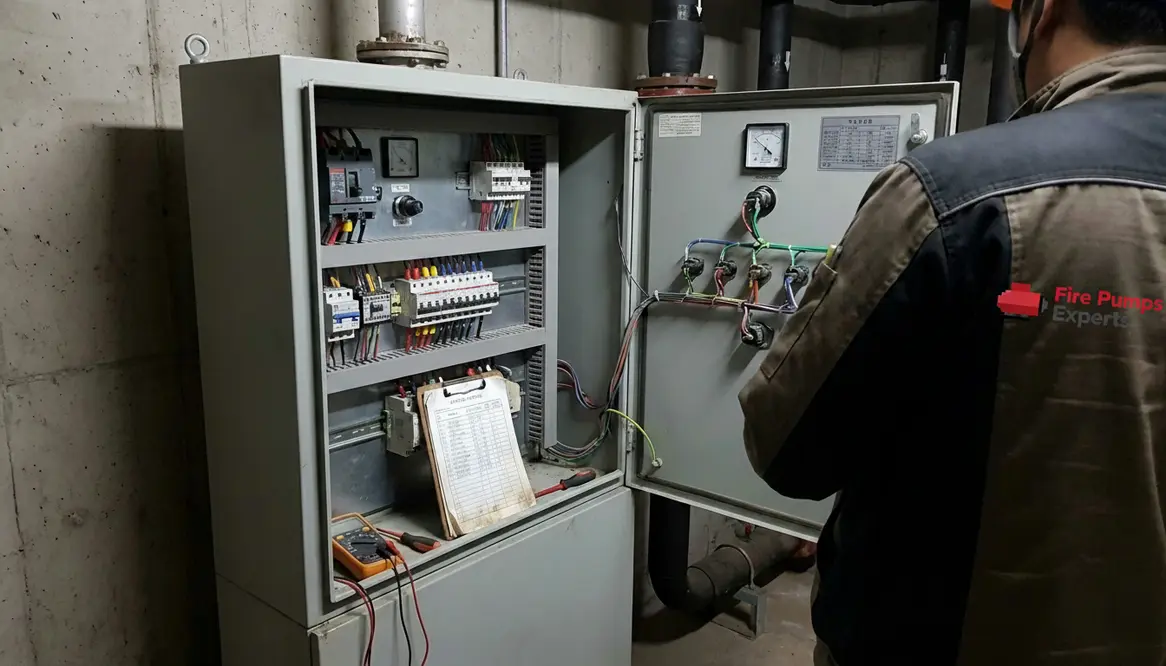
Next, I open the enclosure and inspect for dust, corrosion, or loose wiring. It is not glamorous, but it is essential. Think of it like checking your car before a road trip. You would not skip the tires and jump straight to the radio presets.
Finally, I verify that all settings match the design specifications. Over time, adjustments happen. Sometimes intentionally. Sometimes because someone pressed a button they probably should not have. It happens.
The core fire pump controller maintenance checklist I rely on
Now we get into the rhythm of it. A good checklist is not long for the sake of being long. It is precise.
Visual and physical inspection
- Check enclosure integrity and seals
- Look for heat damage or discoloration
- Confirm wiring is tight and clean
- Ensure labels remain legible
Electrical verification
- Measure voltage levels
- Inspect circuit breakers and fuses
- Test automatic transfer switch if present
Operational testing
- Run manual start and stop
- Verify automatic start signals
- Observe pressure response
Alarm and signal checks
- Confirm alarm outputs function
- Test remote monitoring connections
- Review event history logs
While this may look straightforward, the discipline lies in consistency. I do not skip steps, even when everything seems fine. That is how small issues stay small.
How often should I perform fire pump controller maintenance?
Short answer: more often than you think, but not randomly. I follow a structured schedule.
Weekly, I perform a quick visual check and review system status. Monthly, I test operation and alarms. Quarterly, I dig deeper into electrical components. Annually, I conduct a full inspection aligned with NFPA standards.
However, large commercial and industrial facilities often demand tighter oversight. High rise buildings, data centers, and manufacturing plants do not tolerate surprises. In those environments, I treat maintenance like a routine health check, not an emergency response.
And yes, I have seen people try to stretch intervals. That usually works right up until it very much does not.
Common mistakes that quietly sabotage your system
Here is where things get interesting. Most failures are not dramatic. They are slow and subtle.
One common mistake is ignoring minor alarms. People assume they are glitches. They are rarely glitches. They are warnings dressed in polite language.
Another issue is poor documentation. If you do not track changes, you are essentially guessing during troubleshooting. And guessing, in a fire protection system, is a bold strategy.
I also see facilities skip professional servicing. There is a difference between checking a box and truly understanding system behavior. That is why I often point people toward expert fire pump system services for commercial buildings, especially when dealing with complex setups.
Finally, there is the “set it and forget it” mindset. That works for slow cookers, not life safety equipment.
Keeping your fire pump controller reliable over time
Reliability is not luck. It is built through small, consistent actions.
I keep the environment clean and climate controlled. Excess heat and moisture are silent enemies. I also ensure firmware and system settings stay current when applicable.
Training matters too. Everyone who interacts with the system should know what normal looks like. Because when something changes, even slightly, someone should notice.
And perhaps most importantly, I treat every test as if it matters. Because one day, it will.
Why a real checklist for fire pump controller maintenance matters
The difference between “we looked at it once” and disciplined fire pump controller maintenance is the difference between hoping a system will work and knowing it will. The controller is the brain that tells the fire pump when to wake up and how to behave, and that brain deserves more than a casual glance when someone remembers.
A structured approach to fire pump controller maintenance gives you a clear history of settings, tests, and trends. It turns every inspection into data you can trust instead of a vague memory of “I think it looked fine last time.” Over time, that discipline is what keeps nuisance problems from turning into full system failures.
FAQ: Quick answers you can actually use
Final thoughts that matter more than you think
I have seen what happens when maintenance is treated like an afterthought. It is never just a minor inconvenience. It becomes a story no one wants to tell. So take control of your system now. Build a routine, follow it with discipline, and bring in experts when needed. If your facility depends on reliability, and it does, then your next step is simple. Act today, before the system decides to act for you.