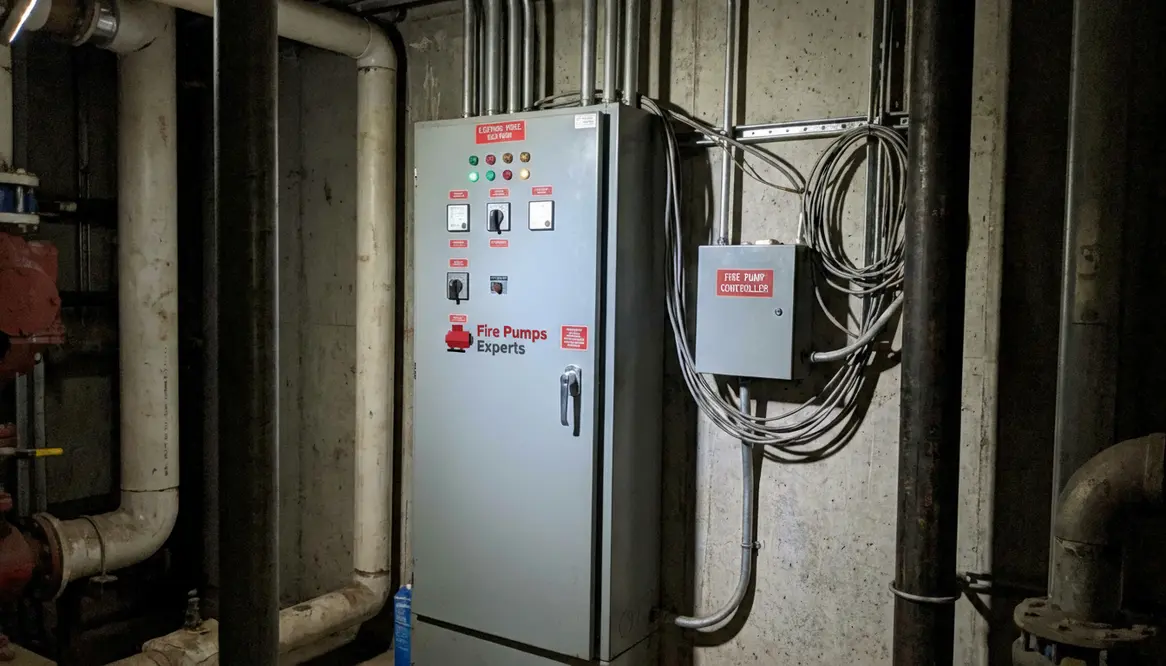
Fire Pump Controller Transfer Switch Guide
I have spent enough time around critical power systems to know one truth. When things go quiet, something has probably gone wrong. And in large commercial and industrial buildings, silence during an emergency is the last thing you want. That is where a fire pump controller transfer switch steps in, calmly doing its job while the rest of the system braces for chaos. It does not ask for attention. It just makes sure the fire pump keeps running when power decides to take a vacation.
So let me walk you through it, nice and steady, like a late night documentary voiceover. No rush. No fluff. Just what matters.
What does a fire pump controller transfer switch actually do
At its core, this device manages power between two sources. Usually, that means utility power and a backup source like a generator. When the main power fails, it transfers the fire pump controller to the alternate source without hesitation. Because when a fire breaks out, waiting is not an option.
Now, here is the important part. Unlike standard transfer switches, this one is built with a singular focus. It prioritizes the fire pump above almost everything else. In many systems, it is legally required to do so. And yes, it will ignore other loads if needed. Think of it as the VIP bouncer of your electrical system. Fire pump gets in. Everyone else waits outside.
Because of that, it follows strict codes like NFPA 20. These are not casual suggestions. They are enforced standards designed to keep buildings and people safe.
Why commercial buildings rely on it without question
In large facilities, power interruptions are not rare events. Storms roll in. Equipment fails. Someone somewhere hits the wrong switch. However, the fire protection system cannot blink.
That is why I always see a transfer switch for fire pump systems paired with dedicated controllers in high rise buildings, manufacturing plants, and data centers. These are places where downtime costs money, and failure risks lives.
Moreover, these switches are designed to act fast. We are talking seconds. Sometimes less. That speed ensures the pump continues to deliver water pressure to sprinkler systems without interruption.
And let me be honest. If Hollywood has taught us anything, it is that fires do not wait politely while you troubleshoot power loss. They spread like they are late for an audition.
How does it differ from a standard transfer switch
I get this question a lot, and it is a fair one.
While both devices transfer power, a fire pump controller transfer switch operates under stricter rules. First, it often includes manual override features that cannot be easily disabled. Second, it is designed to avoid nuisance tripping. In other words, it will not switch off just because something looks slightly off.
Additionally, it must handle locked rotor currents. That means it can withstand the intense surge when a fire pump motor starts. A regular switch might fold under that pressure. This one stands firm.
Also, these switches are typically listed specifically for fire pump service. That certification matters. It tells inspectors and engineers that the device will perform under real emergency conditions.
Inside the system: components that make it work
Now, let us take a quick look under the hood. Not literally. Although if you enjoy panels and wiring, I will not judge.
Power sensing logic
It constantly monitors the primary power source. The moment voltage drops beyond acceptable limits, it prepares to act.
Transfer mechanism
This is the muscle. It physically shifts the connection from utility to backup power.
Controller integration
It works closely with the fire pump controller to ensure seamless operation and compliance.
Manual controls
Because sometimes humans need to step in, especially during testing or maintenance.
Together, these components create a system that feels almost instinctive. It senses. It decides. It acts. No drama. Just results.
Fire pump controller transfer switch installation insights
Installation is not a casual weekend project. This is serious infrastructure. I always recommend working with specialists who understand both electrical systems and fire protection codes.
Placement matters. Accessibility matters. Even environmental conditions matter. Heat, moisture, and dust can all affect performance if not accounted for.
Additionally, proper coordination with the generator system is essential. If the generator lags, the switch cannot perform its job effectively. Everything must work in sync, like a well rehearsed orchestra. Except here, the stakes are much higher than a missed note.
For deeper technical standards and compliance insights, I often point professionals toward industry fire pump compliance resources, which provide guidance tailored to commercial and industrial environments.
Maintenance habits that keep everything ready
Even the best equipment needs attention. And yes, this includes your fire pump power transfer setup.
Routine testing is key. Most facilities run scheduled transfer tests to confirm the switch operates correctly. During these tests, the system simulates a power failure and verifies that the pump continues running.
Also, visual inspections help catch wear or damage early. Loose connections, corrosion, or control issues can all compromise performance.
And here is a small truth. Equipment does not usually fail dramatically. It fails quietly, over time, until one day it does not respond. That is why consistent maintenance is not optional. It is essential.
FAQ: Quick answers you actually need
Closing thoughts that lead to action
If you manage a commercial or industrial facility, this is not the place to cut corners. A properly selected and maintained fire pump controller transfer switch system protects both property and lives. Take a close look at your current setup, confirm compliance, and partner with experts who understand the stakes. Because when the lights go out, your fire protection system should not hesitate. It should respond, instantly and without question.