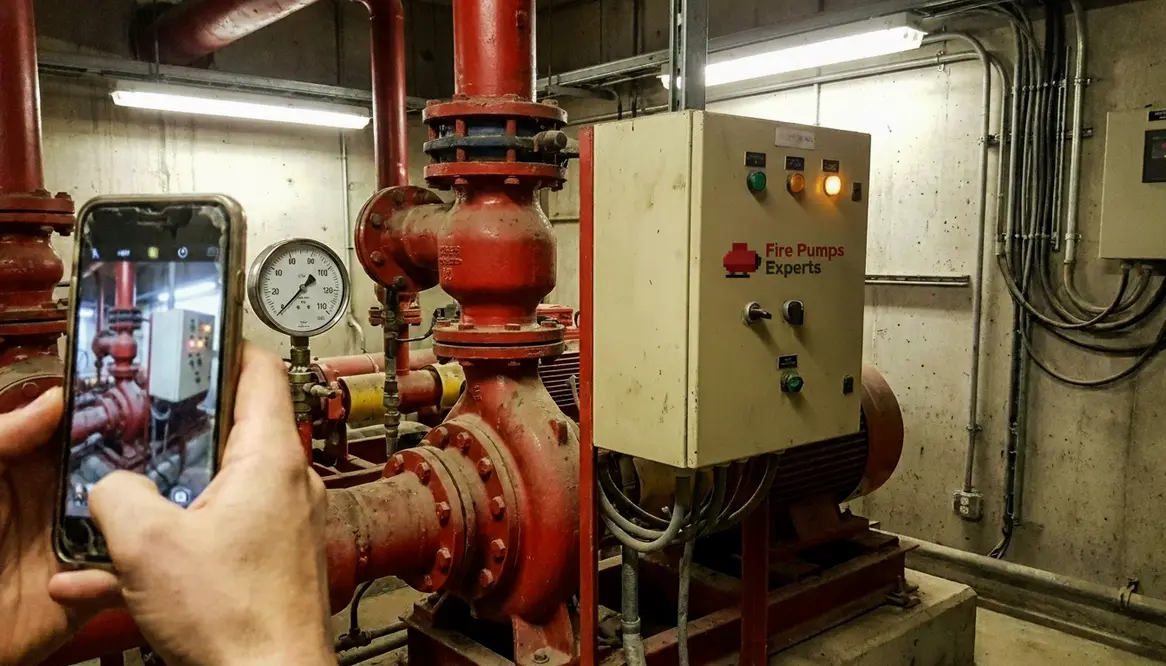
EN 12845 Fire Pump Alarm Monitoring Requirements
What I look for in commercial and industrial fire pump alarm monitoring so the system speaks up fast, clearly, and without drama when it counts.
EN 12845 Fire Pump Alarm Monitoring Requirements: What I Look For in Commercial and Industrial Sites
When I talk about EN 12845 alarm monitoring, I am talking about the quiet guard that stands watch over a fire pump system long before anyone smells smoke. In commercial and industrial buildings, that matters a great deal. A pump can fail at the worst possible moment, and when it does, the alarm has to speak up fast, clearly, and without drama. No one wants a fire safety system acting like a sleepy side character in a bad sequel. So in this article, I break down what I look for, how monitoring should work, and why these requirements matter for major properties that cannot afford guesswork.
Snapshot: What EN 12845 monitoring should do
- Watch the fire pump for faults and abnormal conditions.
- Send clear, distinct signals for start, failure, and power issues.
- Reach a staffed location that can act immediately.
- Keep working when main power gives up.
What EN 12845 alarm monitoring means in real terms
EN 12845 sets expectations for sprinkler systems in commercial and industrial facilities, and the alarm side of the fire pump is part of that picture. I treat monitoring as the link between the pump room and the people who can act on a fault. If the pump fails to start, loses power, or develops a fault, the alarm must signal that condition without delay. That way, the right team can respond before a small issue turns into a very expensive headline.
In practice, I look for monitoring that covers pump start, pump failure, power supply trouble, engine fault where relevant, and any condition that reduces system reliability. Also, the alarm should reach a location that is staffed and able to respond. A signal that goes nowhere is just noise, and noise is not a safety plan. The aim is simple: make sure the building team knows the system status as soon as something changes.
EN 12845 fire pump alarm details I check first
When I review a site, I start with the basics. First, the alarm panel must show the correct pump conditions. Then, the signals should be distinct enough that staff can tell a power fault from a pump start. After that, I check whether the alarm reaches a constantly attended point or a monitored control location. In large sites, that often means a central security desk, plant room control area, or another staffed position.
Key points I usually verify
Dual monitoring points for large sites
One point watches the local pump room equipment. Another watches the remote staffed location. This helps when a site covers several buildings or a wide estate.
Clear fault and status signals
The alarm should not speak in riddles. It should tell staff what happened, where it happened, and whether the pump still works.
Fast response path
The signal should go to someone who can act quickly. If a message sits in an inbox like a forgotten audition tape, the system loses value.
Power and communication backup
If the main power fails, monitoring should keep working. After all, alarms do not get to take a lunch break just because the lights went out.
How I set up monitoring for commercial and industrial buildings
I always start with the site layout, because a factory, warehouse, hospital, or office tower does not work like a small retail unit. Major properties need a plan that fits the building size, occupancy pattern, and risk level. That means I look at where the pump sits, who watches the alarms, and how fast the response team can reach the equipment.
In many large facilities, I recommend a setup that includes local visual and audible alerts in the pump room, plus remote alarm transmission to the control point. If the site has a fire control room, even better. However, the system must still send the right signals to people who stay on site at all hours or during occupied periods. A beautiful alarm that nobody hears is like a blockbuster with no audience.
Common faults I make sure the alarm catches
I pay close attention to faults that can stop the fire pump from doing its job. These include loss of electrical supply, motor trouble, battery trouble in diesel systems, low fuel issues, controller faults, and pump running without command. I also check for alarm behavior during weekly tests, because a system that only works on paper is not a system at all.
Testing matters for another reason too. It shows whether the alarm path works from start to finish. A pump can trigger locally, but if the remote panel never sees the signal, the monitoring chain has a weak point. Therefore, I always confirm both ends of the alert route.
EN 12845 alarm monitoring in practice for major properties
For large commercial and industrial estates, I like to think in two columns:
Local requirement
The pump room must show the alarm immediately, with clear indication of start, fault, and trouble states. Staff near the equipment should not need a detective license to understand it.
Remote requirement
The alarm should reach a staffed location where trained people can respond, log the event, and take action. This is vital for sites with multiple buildings, shift work, or 24 hour operations.
These two parts work together. Local monitoring gives speed. Remote monitoring gives accountability. Put them together, and the fire pump becomes far less likely to fail in silence.
Why alarms need regular checks and maintenance
I never treat alarm monitoring as “fit and forget.” That approach is how trouble sneaks in wearing a fake mustache. Regular checks help confirm that the signal path, control panel, wiring, and response procedures still work as intended. Over time, contacts age, settings drift, and staff change. Because of that, the system needs routine testing and records that prove it still performs.
I also advise keeping clear logs of every test, fault, repair, and alarm event. Those records help during audits, insurance reviews, and site inspections. More important, they show patterns. If one pump keeps raising faults, the log may reveal a deeper issue before it turns into a failure under pressure.
Where to learn more and get it right
If you manage a commercial or industrial property, I suggest reviewing the current guidance and working with specialists who understand fire pump systems inside major buildings. For deeper support, I would point you toward EN 12845 fire pump alarm monitoring guidance as a useful reference point when planning or checking a system. The goal is not just compliance. The goal is confidence, because when a fire pump alarm matters, it matters immediately.
You can also explore practical resources and examples at https://firepumps.org/ when you are comparing approaches to EN 12845 alarm design, testing, and long-term monitoring strategies.
FAQ
Conclusion
If you manage a commercial or industrial site, do not leave fire pump alarms to chance. I recommend checking the monitoring path, alarm clarity, backup power, and response point before a fault ever appears. That small effort can protect people, property, and uptime. If you want a system that works under pressure, now is the time to review your setup, tighten the weak spots, and make sure your EN 12845 alarm does its job when it counts.