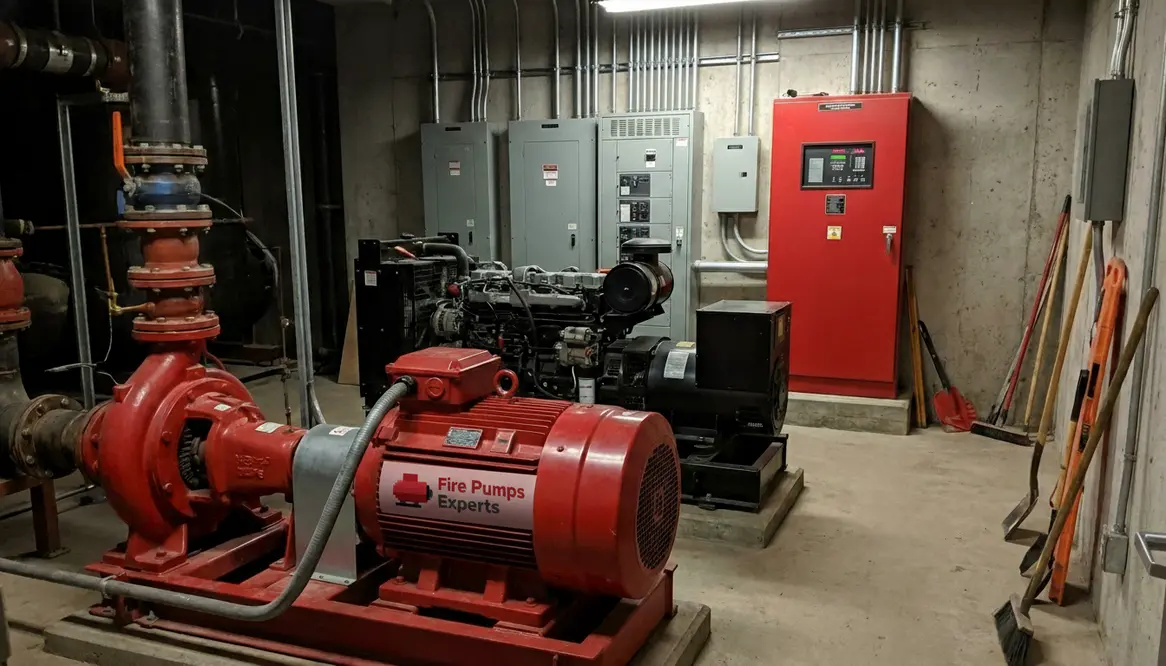
EN 12845 Fire Pump Power Supply Guide
EN 12845 Fire Pump Power Supply Requirements sound dry at first. I get it. Electricity, backup systems, compliance rules, and enough technical detail to make a coffee go cold. But in commercial and industrial buildings, this topic sits right at the center of fire safety. I always treat the EN 12845 power supply as more than a code item. It is the lifeline that keeps a fire pump ready when a building faces its worst moment. And yes, that moment never checks your calendar first.
For major property owners, facility managers, and industrial operators, a reliable pump supply supports life safety, asset protection, and business continuity. So, I will walk through what the standard expects, why it matters, and how to keep the system dependable without turning the whole thing into a drama worthy of a season finale.
What EN 12845 expects from the fire pump supply
EN 12845 calls for a power source that can keep the fire pump ready without doubt or delay. In simple terms, the pump needs a supply that stays stable, starts when needed, and supports the pump for the full duty period. In commercial and industrial sites, I see this as a design choice with no room for guesswork.
The main rule is clear. The fire pump should not rely on the same weak point as the rest of the building. If the main supply fails, the pump must still work. That is why many systems use a dedicated electrical feed, a diesel driven pump, or a mix of both. Each option needs proper planning, testing, and protection.
Also, the supply path must stay short, direct, and secure. I want the pump to get power with as few risks as possible. Loose ties, shared circuits, and clever shortcuts may sound efficient in a meeting, but they tend to age like milk in a hot van.
How I choose the right power source for a facility
When I look at a site, I start with the building type, fire risk, and level of continuity needed. A warehouse, plant room, data center, or high value office block may need a different setup. However, the goal stays the same. The pump must start and run when the fire system demands it.
Overview of common supply options
Supply type
Dedicated electrical feed
Diesel driven pump
Electric pump with backup source
Best fit
Sites with a strong and well protected grid supply
Places where power cuts may happen or where extra independence matters
Large facilities that want both efficiency and resilience
Then I ask a simple question. What happens if the main power dies at the worst possible time? If the answer makes everyone in the room stare at the floor, the design needs work. Therefore, I look for a supply arrangement that keeps the pump outside normal building loads and outside normal panic.
For this reason, I also check whether the building can support the starting current, whether the supply stays protected from damage, and whether the pump area has enough resilience for real fire conditions. This is not the place for wishful thinking. It is the place for proof.
Why backup matters more than people think
Backup power is not a luxury here. It is the whole point of the safety plan. If the fire pump loses supply, sprinkler performance can fall fast, and that can raise damage across a whole property. That means longer downtime, higher repair costs, and a very long chat with the insurance team. Nobody enjoys that meeting. Not even the person who brought donuts.
I always treat backup as part of the core design, not an add on. The source must kick in fast, stay stable, and avoid common faults. Battery support, transfer controls, fuel management, and separation from other systems all matter. In industrial sites especially, a pump must often run through heat, smoke, or structural stress. So, the backup source has to be ready for harsh conditions, not just nice weather and good intentions.
Just as important, the backup arrangement should get regular tests. A system that only works on paper belongs in a museum, not in a major property with real people and real risk.
How I check compliance on site
I like to keep compliance practical. First, I confirm that the supply matches the pump duty and start demand. Then I inspect the wiring path, isolators, protection devices, and any backup source. After that, I review the test plan and maintenance log. If the records look thin, I dig deeper. Thin records often hide thin readiness.
EN 12845 also pushes owners to keep the pump installation clear, protected, and easy to inspect. Therefore, I look for signs of wear, tampering, poor access, or shared use with other equipment. A fire pump should not compete with a building’s day to day power habits. It needs its own lane, like a VIP guest who actually deserves it.
Inspection points for reliable supply
- The pump gets power from a secure and dedicated source
- Backup starts as intended when the main supply fails
- Cables, controls, and isolators stay protected from damage
- Test results remain clear and up to date
- The system fits the risk profile of the facility
What facility teams should do next
I tell teams to treat the fire pump power supply like a business critical asset, because that is exactly what it is. Start with a full review of the current setup. Then compare it to the site risk, occupancy, and required sprinkler performance. If the supply feels uncertain, act now rather than after a fault.
Also, bring in specialists who understand commercial and industrial fire protection. The right guidance can save time, avoid costly mistakes, and keep the facility in line with the standard. In this field, confidence comes from tested systems, not from optimistic facial expressions.
If you want deeper technical detail, real-world examples, and planning tools around EN 12845 power supply arrangements, you can explore resources at https://firepumps.org, then map those ideas back to your own facility.
FAQ
Bringing your EN 12845 power supply up to standard
EN 12845 power supply is not just a box to tick. It is the backbone of a fire pump system that must perform under pressure. If you manage a commercial or industrial facility, I urge you to review your setup now, test it properly, and close any weak points before they become costly problems. The right supply design brings calm, control, and real protection. If you want that level of confidence, take the next step and have your system checked today.