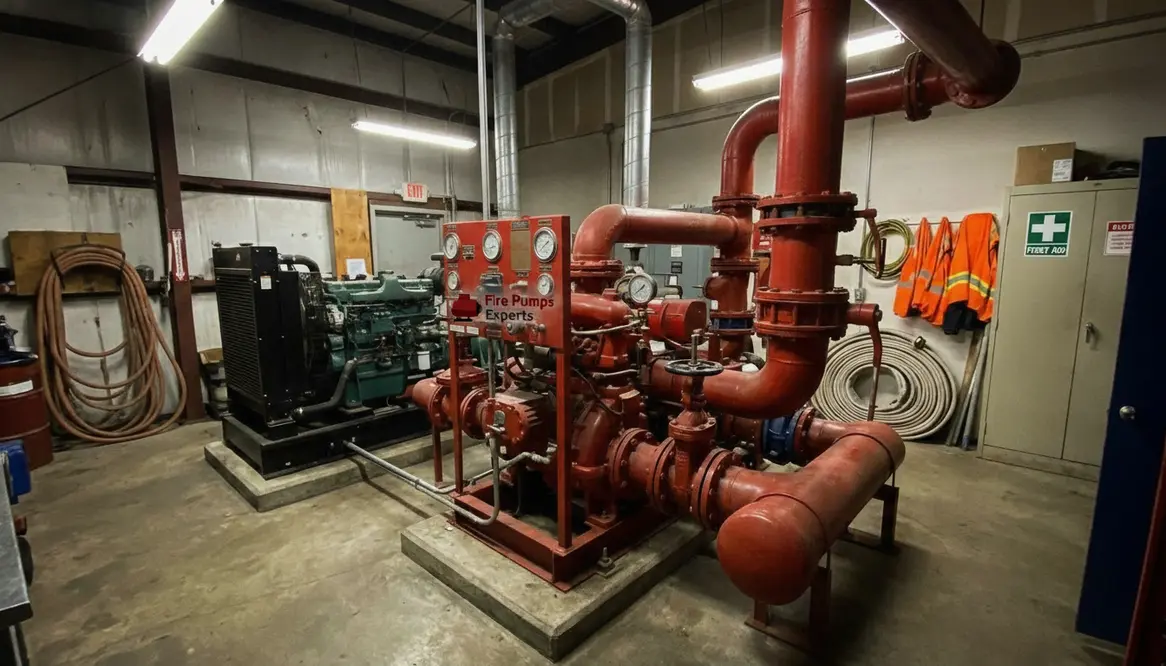
EN 12845 Fire Pump Requirements for High Risk Buildings
EN 12845 Fire Pump Requirements for High Risk Buildings are not just a box to tick. They shape how I protect commercial and industrial buildings where fire can spread fast and stop business even faster. In high risk properties, the pump is the quiet hero in the back room, doing its job when everyone else is trying not to panic. I focus on the EN 12845 requirements because they guide the pressure, flow, power, and backup that a serious fire system needs. And yes, in buildings where risk runs high, “good enough” is about as useful as a chocolate fire extinguisher.
In this guide, I explain what I look for, why it matters, and how I keep the system ready for real world use. I also use practical language, because fire safety should feel clear, not like a legal thriller written by a machine.
What EN 12845 means for high risk buildings
When I apply EN 12845 requirements to a high risk building, I start with one simple idea: the pump must support the sprinkler system under the worst likely demand. That means I do not treat the pump as an add on. Instead, I treat it as the heart of the fire water supply. If the heart fails, the whole system struggles.
High risk buildings often include warehouses, factories, processing plants, storage sites, and large commercial properties with heavy fire loads. Therefore, I look at how much water the sprinklers need, how long they must run, and whether the water supply can keep up. The standard helps me size the pump so it can deliver the right pressure and flow without drama. Fire does not wait for a committee meeting, so I make sure the system does not either.
EN 12845 fire pump requirements I check first
When I review a pump set, I focus on the basics that keep the system dependable:
- Flow rate: The pump must supply the water demand for the design hazard.
- Pressure: The pump must maintain enough pressure at the sprinkler heads.
- Power source: I check the main and backup supply so the pump stays ready.
- Start reliability: The pump should start fast and without fuss.
- Water source: I confirm the supply can support the system for the required time.
Because high risk sites face tougher conditions, I do not stop at the pump label. I also check valves, suction conditions, pipe size, and control panels. If one part drags, the whole system can lose strength. That is why EN 12845 requirements work best when I view the system as a team, not as parts that politely ignore each other.
How I size a pump set for a commercial or industrial site
First, I match the pump to the hazard level. Then I compare the sprinkler demand with the available water supply. After that, I check whether the pump can hold the required pressure while meeting peak demand. This is where many sites get into trouble. A pump may look powerful on paper, yet still fall short once the full system starts flowing. Paper is cheap. Fire safety is not.
I also look at the layout of the building. Long pipe runs, high ceilings, and complex storage zones can all increase losses in the system. As a result, I may need to allow for extra pressure to make sure the sprinklers perform where they matter most. In large commercial and industrial buildings, small mistakes can turn into big headaches. And nobody wants that kind of sequel.
EN 12845 requirements and dual column checks
System check
Water demand
Power backup
Suction and supply
Testing access
Why I inspect it
To confirm the pump can support the sprinkler load
To keep the pump running during a main power failure
To avoid pressure loss and poor pump performance
To make routine checks simple and reliable
This sort of check keeps the process clean and practical. Also, it helps me spot weak points before they become expensive surprises with sirens.
How I keep the pump ready for real world fire risk
I never trust a fire pump just because it exists. I test it, inspect it, and keep records. Regular testing helps me catch wear, low pressure, fuel issues, control faults, and valve problems before they become serious. In high risk buildings, routine checks are not optional in spirit, even if some owners wish they were. Nice try, though.
I also make sure the site team understands basic pump awareness. They should know where the equipment sits, how the alarms work, and who to call if something looks off. Clear labels, easy access, and simple checks go a long way. A good fire system should feel steady and boring when everything is fine. That is the dream. Boring is beautiful when it comes to fire safety.
When I design or review systems for high risk properties, I keep the EN 12845 requirements close at hand. They keep everyone honest about flow, pressure, backup, and performance. They also give owners a clear benchmark when they ask whether the system is as strong as it should be. In sites where downtime is expensive and risk is high, that benchmark matters more than ever.
FAQ
Conclusion
If you manage a commercial or industrial property, I urge you to treat EN 12845 requirements as a real safety tool, not just a code note in a folder. A proper fire pump setup protects people, assets, and uptime when conditions turn rough. If you need support with your high risk building, I recommend taking the next step now and reviewing your system with a specialist who understands EN 12845 inside and out. Strong protection starts with the right pump, the right design, and the right action.
If you want to see how others approach these systems in practice, you can explore additional technical resources and case examples at https://firepumps.org. Use them as a reference point, then compare them with your own installation and local fire strategy so your pump room is ready for the worst day, not just the next inspection.