EN 12845 Fire Pump Compliance for Building Owners
EN 12845 Fire Pump Compliance Guide for Building Owners
When I talk about EN 12845 compliance, I am talking about more than a box to tick. I am talking about keeping a commercial or industrial building ready when fire decides to show up uninvited, which is rude, reckless, and very bad for business. For building owners, this standard helps make sure the fire pump, water supply, and system checks all work together as they should. And yes, the paperwork matters too, because no one wants a surprise visit from a fire inspector acting like the villain in a legal drama.
Why EN 12845 matters for building owners
I always start here because the reason matters. EN 12845 sets the rules for automatic sprinkler systems in commercial and industrial properties, and the fire pump sits at the center of that setup. If pressure drops or demand rises, the pump has to step in without hesitation. In a major property, that response can protect people, inventory, equipment, and the building itself. So, if I own or manage a site, I treat this as risk control, not paperwork theater.
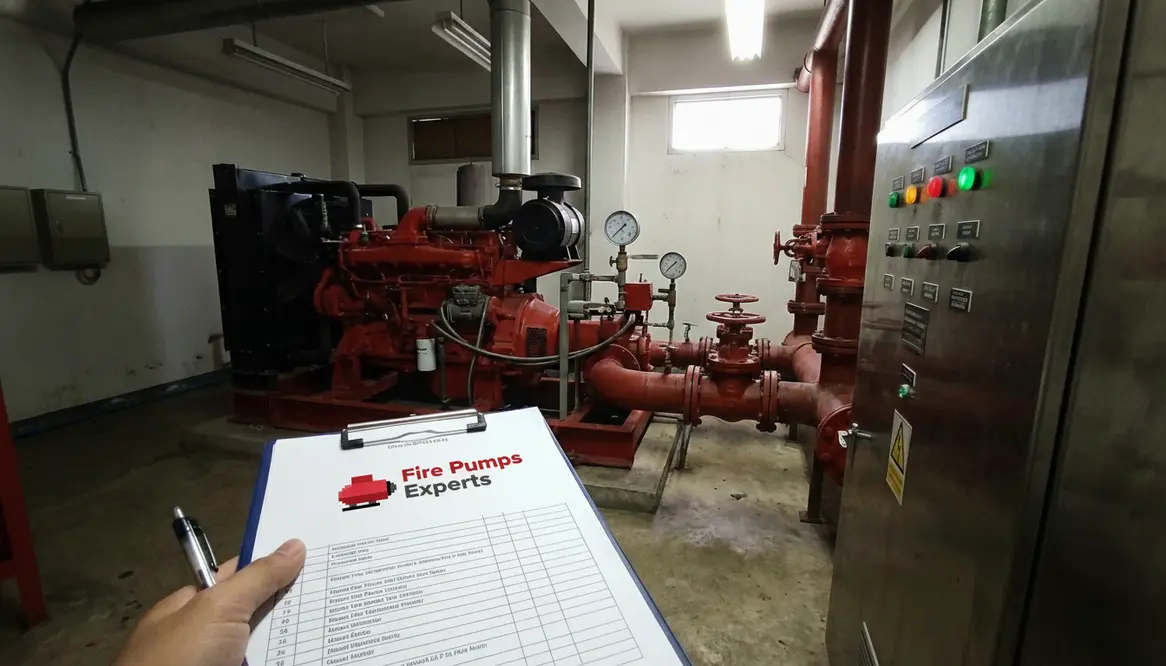
What I check in a fire pump system
Key parts I review
- Pump size and duty rating
- Driver type, electric or diesel
- Water supply and tank levels
- Valve position and pipe condition
- Alarm signals and control panel status
What I look for during checks
- Leaks, rust, and vibration
- Fuel levels and battery health
- Monthly test records
- Pressure readings within range
- Clear access for maintenance crews
I look at these items because a compliant pump system is only as strong as its weakest part. A great pump with a clogged valve is like Iron Man with a dead battery. Stylish, but not useful. For commercial sites, I also pay attention to the building use, storage load, and hazard class, since those factors shape the system demand.
How I prepare a site for EN 12845 checks
Before any formal inspection, I make sure the site is ready for a clean review. First, I confirm that the fire pump area stays open and easy to reach. Then I check that records are current, because old logs cause headaches fast. After that, I verify that the pump room has good light, proper heat control, and no clutter blocking access. This sounds simple, yet these basics often fail when people get busy doing the real work of running a building.
I also speak with the maintenance team, since they usually know the site better than anyone. If they hear odd noise, notice pressure drops, or see a control fault, I want that on the table early. That way, I can fix small problems before they turn into a very expensive drama series.
Fire pump testing and records that prove compliance
Testing gives me proof that the system works under real conditions. Regular run tests, pressure checks, flow checks, and alarm tests all help show that the pump can support the sprinkler system when needed. In my experience, records matter just as much as the tests themselves. If I cannot prove a test happened, then in the eyes of an audit, it may as well have happened in a dream.
I keep logs for:
- Weekly visual checks
- Monthly pump starts
- Annual full performance tests
- Repairs and part replacement
- Any faults and the fix date
These records help me show a clear history of care. They also help spot patterns. If a diesel pump struggles every winter, I do not wait for a heroic comeback. I fix the cause. That is how I keep a commercial property ready and stable.
EN 12845 compliance and the role of expert support
At some point, I may need outside help, especially for complex sites with large fire loads or mixed use areas. That is where expert fire protection support becomes useful. I look for a provider that understands major commercial and industrial properties, not a one size fits all shop that treats a warehouse like a corner café. For owners who need deeper guidance, I would use a resource like EN 12845 fire pump compliance support for commercial properties to learn what a proper review should cover.
Good support helps me make sense of pump sizing, test results, and system gaps. It also helps me plan fixes in the right order, so I do not spend money where it will not move the needle. And in property ownership, that is the kind of calm, practical decision making that keeps both insurers and tenants happy.
FAQ: quick answers for building owners
Conclusion
If I own or manage a commercial or industrial property, I do not treat EN 12845 compliance like a side task. I treat it like protection with a purpose. The right fire pump setup, the right tests, and the right records all work together to reduce risk and protect the building. If your site needs a closer look, now is the time to act. Review your system, tighten your records, and bring in expert support before a small issue turns into a costly fire safety problem.