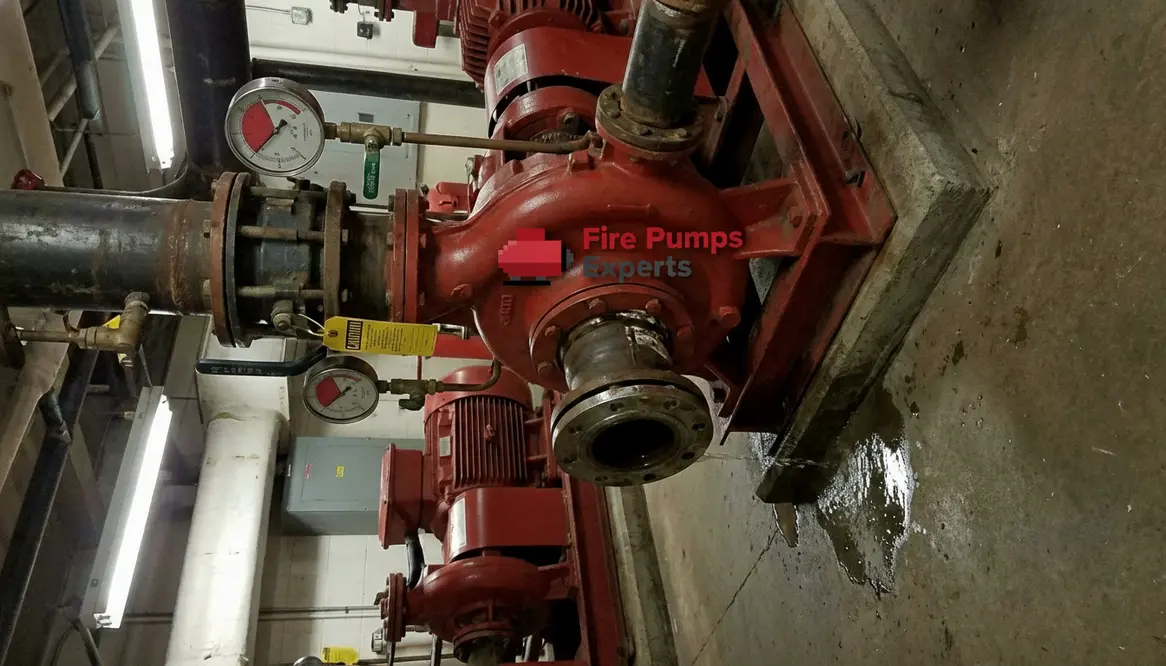
End Suction Fire Pump Problems Causes and Fixes
I have spent years around mechanical rooms where the quiet hum of a pump can mean the difference between order and chaos. When we talk about end suction fire pump problems, we are not just discussing equipment. We are talking about reliability under pressure, quite literally. In large commercial and industrial buildings, these pumps stand as silent guardians. Yet, like any hardworking machine, they develop quirks, faults, and the occasional personality issue that would make even a seasoned technician sigh and reach for coffee.
So today, I will walk you through what really goes wrong, why it happens, and how to stay ahead of it without losing your sanity or your budget.
Why Do End Suction Fire Pump Problems Happen in Large Facilities?
First things first, these pumps do not fail out of spite. Although, at 3 a.m., it can feel personal. Most issues stem from wear, poor installation, or inconsistent maintenance. In high demand environments like data centers or manufacturing plants, pumps run harder and longer. Naturally, that increases stress on components.
Additionally, water quality plays a quiet but powerful role. Sediment, corrosion, and debris can slowly degrade internal parts. Over time, this leads to reduced efficiency or outright failure. And yes, sometimes the problem is human. Improper alignment, skipped inspections, or rushed repairs often create bigger issues down the road.
Think of it like skipping oil changes in a high performance car. It will run fine until it very much does not.
Common End Suction Fire Pump Problems and What They Look Like
Loss of Prime
This happens when air enters the system. The pump struggles to move water, and performance drops fast.
Seal Leaks
Mechanical seals wear out over time. You will notice dripping or pooling near the pump housing.
Overheating
Restricted flow or friction causes heat buildup. Left unchecked, this can damage internal components.
Vibration and Noise
Misalignment or worn bearings often lead to shaking or loud operation. It is the pump’s way of waving a red flag.
Reduced Pressure
Clogged impellers or pipe issues can limit output. In fire protection, that is a risk you cannot afford.
Cavitation
This is the villain of the story. Air bubbles collapse inside the pump, causing damage that sounds like gravel in a blender.
Each of these issues tells a story. The trick is listening before the plot thickens.
How I Diagnose Fire Pump Issues Before They Escalate
I like to think of diagnostics as detective work, just with fewer trench coats and more pressure gauges. First, I observe. Changes in sound, vibration, or temperature often reveal more than any report.
Then, I check performance data. Flow rates, pressure readings, and energy use all provide clues. If something drifts from the baseline, I know where to look next.
After that, I inspect components directly. Seals, bearings, and impellers rarely fail without leaving evidence. And yes, sometimes the solution is as simple as tightening a connection. Other times, it is a full rebuild.
For facilities that cannot afford downtime, working with experts in commercial fire pump system services ensures nothing gets missed. Because guessing is not a strategy, it is a gamble.
Preventive Maintenance That Actually Works
Now here is the part where we avoid drama altogether. Preventive maintenance is not glamorous, but it is effective. I recommend sticking to a strict inspection schedule. Weekly visual checks, monthly performance tests, and annual full system evaluations keep surprises to a minimum.
Equally important, lubrication and alignment should never be afterthoughts. A well aligned pump runs smoother, lasts longer, and consumes less energy. It is the mechanical equivalent of good posture.
Also, keep records. Detailed logs help identify patterns before they turn into problems. Over time, you will see trends that guide smarter decisions.
And yes, replacing worn parts early might feel like an unnecessary expense. But compared to emergency repairs, it is a bargain.
What Are the Warning Signs I Should Never Ignore?
Let me be clear. Pumps rarely fail without warning. The signs are there, subtle at first, then impossible to ignore.
If you hear unusual noise, act. If you see leaks, investigate. If performance drops, do not wait. Each of these signals points to underlying end suction fire pump problems that will only worsen with time.
In large facilities, delays can lead to compliance issues, safety risks, and costly downtime. So when your pump starts acting like a moody character from a drama series, take it seriously. This is not the time for plot twists.
Conclusion: Keep Your System Ready When It Matters Most
I always say a fire pump is like a parachute. You do not need it often, but when you do, it had better work flawlessly. By understanding common faults, staying proactive, and relying on skilled professionals, you can avoid the most disruptive failures. If your facility depends on performance and safety, now is the time to assess your system, address hidden risks, and ensure your fire protection stands ready without hesitation. When you understand how end suction fire pump problems start, you are far better positioned to keep them from ending in emergencies, downtime, or frantic late night calls.
End Suction Fire Pump Problems In Context
Across large campuses and high rise complexes, end suction fire pump problems usually do not arrive in isolation. They show up as nuisance alarms, unexplained test failures, or strange noise that people promise to “keep an eye on” and then forget. The reality is that every small symptom belongs to a bigger pattern that, if recognized early, keeps your fire protection system predictable instead of dramatic.
Treat those patterns seriously, track what you see, and bring in help before the plot escalates. In that light, end suction fire pump problems become manageable maintenance tasks instead of full scale emergencies.