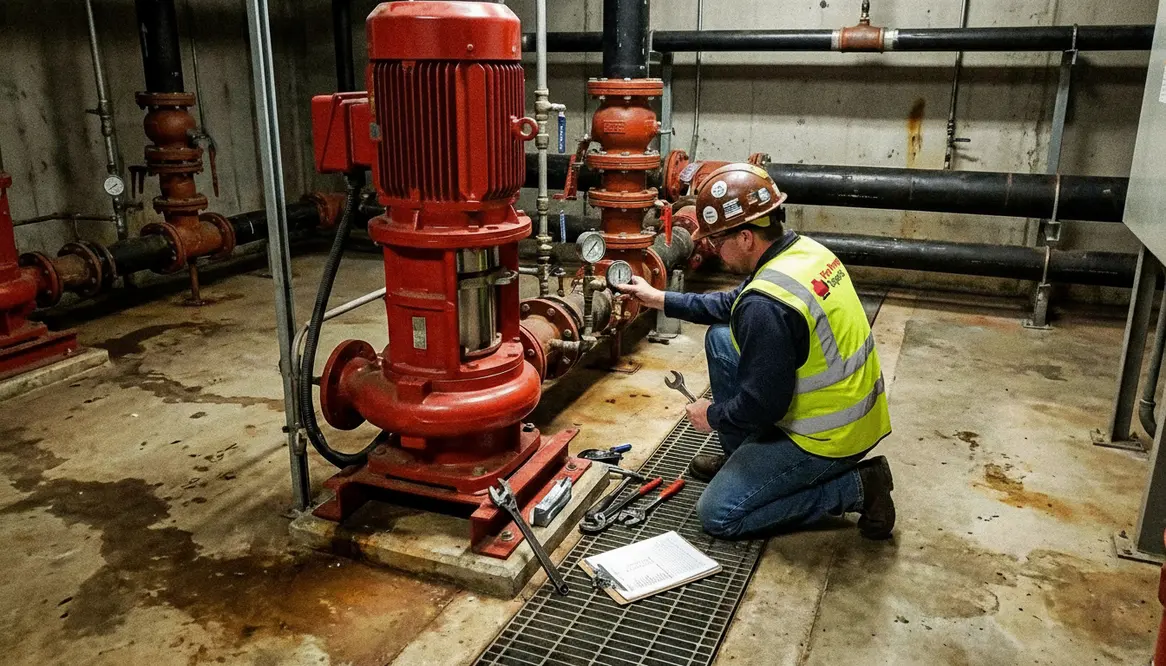
Vertical Turbine Fire Pump Maintenance Guide
I have spent enough time around pump rooms to know one thing for sure. When things go quiet, they should stay quiet. That is exactly why vertical turbine fire pump maintenance matters. In large commercial and industrial facilities, these pumps are not just equipment. They are insurance policies with steel bones and spinning hearts. And like any good insurance policy, they only work when you keep them in shape.
So let me walk you through this in a way that feels less like a manual and more like a calm, confident voice in the room. Think a steady narrator standing next to a control panel instead of narrating a documentary.
What should I check first during a routine inspection?
I always start simple. Because if you ignore the basics, the rest does not matter. First, I look at the pump itself. Then I listen. Yes, listen. A healthy vertical turbine pump has a rhythm. If it starts sounding like a drum solo from a rock concert, something is off.
Next, I check for visible leaks, loose bolts, and unusual vibration. Then I move to the driver and controller. Are the gauges steady? Are the readings within expected ranges? After that, I confirm that valves are in the correct position. It sounds obvious, yet I have seen million dollar systems rendered useless by a single closed valve.
Finally, I review logs. Because what happened yesterday often explains what breaks tomorrow.
Building a reliable vertical turbine fire pump maintenance routine
Consistency wins here. Not luck. Not guesswork. A structured routine keeps surprises to a minimum, and trust me, surprises in fire protection are never fun.
Here is how I break it down:
Weekly
Run the pump. Observe start time, pressure, and flow. Verify automatic operation.
Monthly
Inspect bearings, packing or seals, and alignment. Check electrical connections for heat or wear.
Quarterly
Test alarms and supervisory signals. Confirm communication with monitoring systems.
Annually
Conduct a full flow test. This is where the pump proves itself under real demand.
Moreover, I always align this routine with standards outlined by trusted organizations like the fire pump standards authority. Because in commercial and industrial properties, compliance is not optional. It is expected.
Common problems I watch for before they escalate
Problems rarely arrive unannounced. They whisper first. You just have to pay attention.
One issue I see often is gradual loss of pressure. This can point to worn impellers or column pipe issues. Another frequent offender is bearing wear. It starts small, then suddenly you are dealing with heat, noise, and downtime.
Electrical faults also creep in quietly. Loose connections or failing components can cause intermittent failures that are easy to overlook during rushed inspections.
And then there is corrosion. The slow villain of every pump room. Especially in environments where moisture and minerals like to hang around uninvited.
So I stay ahead of these. Because fixing a small issue is maintenance. Ignoring it is a future capital expense.
Tools and data that make maintenance smarter
I do not rely on guesswork. I rely on data. Because numbers do not lie, even when equipment tries to.
What I use
- Vibration analysis tools
- Thermal imaging cameras
- Pressure and flow meters
- Digital maintenance logs
What it tells me
- Early bearing issues
- Overheating components
- Performance deviations
- Trends over time
With these tools, I can spot a problem before it becomes a headline. And in large facilities, that kind of foresight is worth its weight in gold. Or at least in avoided downtime.
How do I keep my system compliant and inspection ready?
Compliance is not about scrambling before an inspection. It is about being ready every day.
I maintain detailed records of every test, repair, and observation. Then I ensure all documentation is easy to access. Inspectors do not enjoy treasure hunts, and frankly, neither do I.
I also verify that all components meet current codes. Because standards evolve. What passed five years ago might not pass today.
Finally, I work with specialists who understand large scale systems. Commercial and industrial properties require a level of expertise that goes beyond basic servicing.
Why vertical turbine fire pump maintenance pays off long term
Let me put it plainly. Neglect costs more. Every time.
When I invest in regular upkeep, I extend the life of the system. I reduce emergency repairs. I protect assets and, more importantly, people.
And yes, I also sleep better at night. Because I know the system will perform when it matters most. Not maybe. Not hopefully. But reliably.
FAQ
Keep your system ready before it is needed
I will leave you with this. Fire pumps do not get second chances. When the moment comes, they either work or they do not. So take control now. Build a routine, follow it with discipline, and bring in the right expertise when needed. If you manage a commercial or industrial facility, this is not just maintenance. It is responsibility. Start tightening your process today, and let your system stand ready, calm and steady, just like it should.