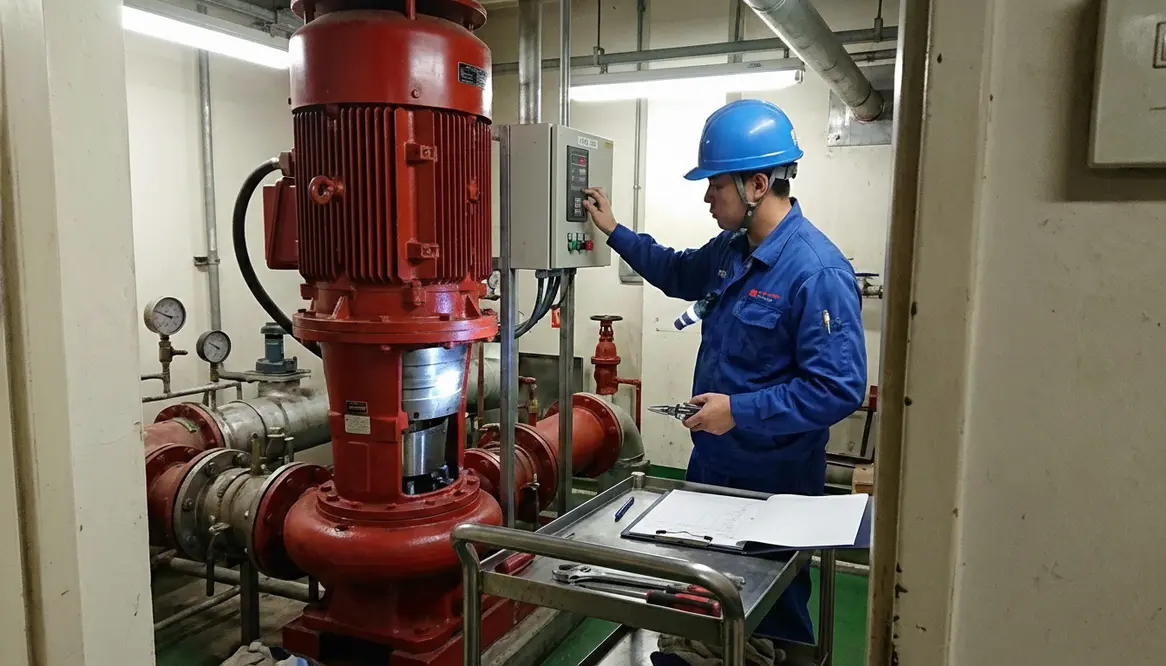
Vertical Turbine Fire Pump Troubleshooting Guide
I have spent enough time around pump rooms to know one thing: when things go quiet, it is rarely a good sign. That is exactly where vertical turbine fire pump troubleshooting comes into play. In large commercial and industrial facilities, these systems are not just equipment, they are lifelines. And when they fail, they do not send a polite memo first. So today, I am going to walk you through how I approach diagnosing and fixing these pumps, with a steady hand, a sharp ear, and just a pinch of humor to keep us awake.
Understanding Vertical Turbine Fire Pump Troubleshooting Fundamentals
I always start with the basics. A vertical turbine fire pump pulls water from a source below grade, which means gravity is both your friend and your occasional enemy. Before I even touch a wrench, I observe. I listen. I let the system tell its story.
First, I check whether the pump starts properly. If it hesitates, stalls, or refuses outright, the issue often lies in the power supply, controller, or motor. However, if it starts but fails to deliver pressure, then we are dealing with performance, not activation.
Meanwhile, I remind myself that most problems fall into a few categories:
- Mechanical issues: worn bearings, misalignment, or damaged impellers
- Hydraulic issues: air entrainment, low suction levels, or clogged strainers
- Electrical faults: voltage drops or controller malfunctions
And yes, sometimes it is as simple as a valve that someone forgot to open. It happens more often than people like to admit. Even Batman needs to check if the Batmobile has gas.
Why Is My Fire Pump Not Building Pressure?
This is the question I hear most, and I answer it quickly because time matters. If your pump is running but not building pressure, I immediately look at suction conditions.
First, I verify the water level in the source. A vertical turbine pump cannot pull what is not there. Then, I check for air leaks in the suction column. Even a small leak can disrupt flow and reduce pressure.
Next, I inspect the impellers. Over time, they wear down or clog with debris. When that happens, efficiency drops. In large facilities, especially those tied to industrial fire protection systems expertise, debris buildup is more common than most expect.
Finally, I confirm that the discharge valves are fully open and that there are no obstructions downstream. It sounds obvious, but in the field, obvious things are often overlooked.
Step by Step Vertical Turbine Fire Pump Troubleshooting Process
When I get serious about diagnosing an issue, I follow a structured process. It keeps me focused and prevents guesswork. This is where vertical turbine fire pump troubleshooting becomes less of an art and more of a disciplined routine.
Initial Checks
- Verify power supply and controller status
- Confirm pump start sequence
- Check system alarms and logs
Mechanical Inspection
- Listen for unusual noise or vibration
- Inspect shaft alignment
- Examine bearings and lubrication
Hydraulic Evaluation
- Measure suction and discharge pressure
- Check water source levels
- Inspect strainers and intake screens
Performance Testing
- Conduct flow test
- Compare results to design curves
- Identify efficiency drops
By following this method, I avoid chasing ghosts. Because let me tell you, guessing your way through a pump issue is like trying to fix a spaceship with a hammer. It might feel productive, but it rarely ends well.
Common Warning Signs I Never Ignore
Over the years, I have learned that pumps whisper before they scream. The trick is paying attention early. When I am in a pump room working on vertical turbine fire pump troubleshooting, I keep my senses tuned for these early signals.
If I notice vibration increasing, I act. That usually points to imbalance, misalignment, or bearing wear. Likewise, if the pump starts making unusual noises, I do not turn up the radio and hope for the best.
Another red flag is fluctuating pressure. That often signals air in the system or inconsistent water supply. Meanwhile, overheating motors are never subtle. They are basically shouting for help.
And then there is the classic: frequent cycling. If your pump keeps turning on and off like it is auditioning for a disco revival, something is wrong with the pressure settings or system demand.
How I Prevent Problems Before They Start
Here is the part most people skip, and it is the part that saves the most money. Preventive maintenance is not glamorous, but it works. Long before alarms sound, vertical turbine fire pump troubleshooting should already be part of the routine, not just an emergency reaction.
I schedule regular inspections and stick to them. I test performance against original design data. If I see even a small drop in efficiency, I investigate early.
In addition, I keep components clean and properly lubricated. Dirt and neglect are the silent villains of pump rooms. They do not wear capes, but they cause plenty of damage.
I also train facility teams to recognize early warning signs. Because while I may enjoy playing detective, I would rather prevent the mystery altogether. The more people on-site understand the basics of vertical turbine fire pump troubleshooting, the fewer surprises show up during real emergencies.
FAQ: Quick Answers for Vertical Turbine Fire Pump Issues
Certain questions come up every time I am called in for vertical turbine fire pump troubleshooting, so it pays to keep the responses clear and ready.
Conclusion: Take Control Before the Alarm Sounds
I have seen what happens when small issues are ignored, and it is never pretty. The good news is that with consistent attention and a clear troubleshooting approach, most problems stay manageable. If your facility depends on reliable fire protection, now is the time to act. Review your systems, train your team, and address concerns early. Because when it comes to fire pumps, preparation is not just smart, it is essential.