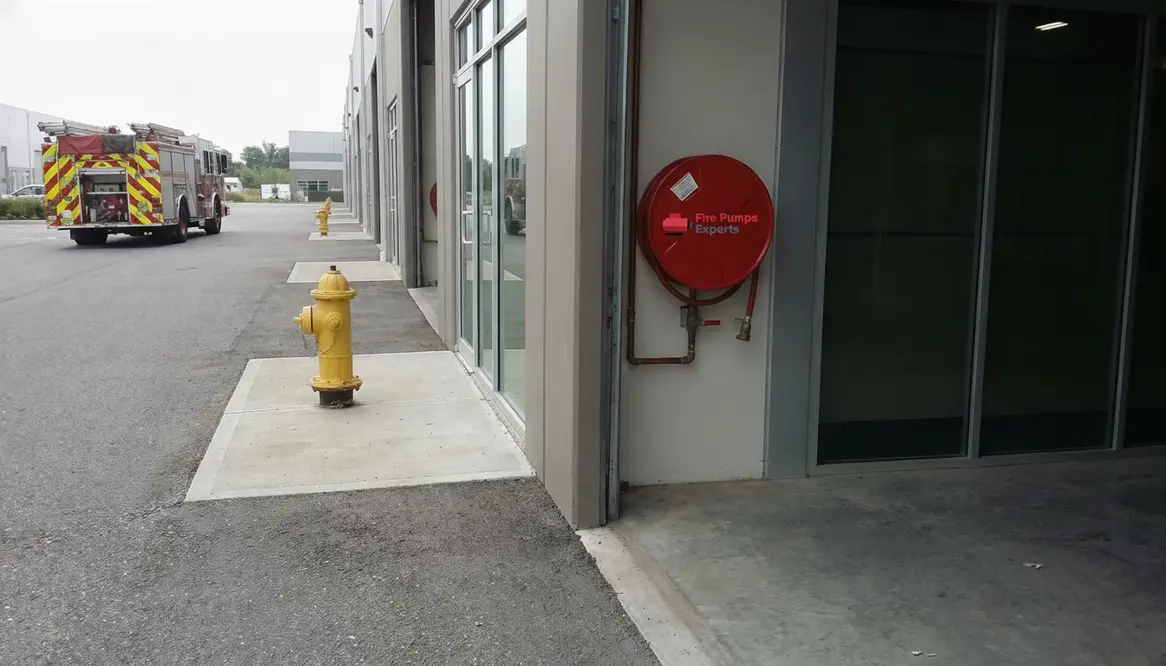

Fire Hose Reel vs Fire Hydrant: Differences Explained
Understanding where each system shines makes commercial and industrial fire protection far more reliable.
When I compare fire hose reel vs fire hydrant, I see two tools that look like they belong in the same fire safety family, yet they play very different roles. One helps people attack a small fire fast. The other gives firefighters serious water power when things get ugly. In commercial and industrial buildings, that difference matters a great deal. After all, a warehouse fire does not care about your schedule, and a hotel corridor will not pause for a dramatic rescue soundtrack. So, let me walk you through the real differences in a simple, practical way.
Think of these systems as two levels of defense. One is meant for fast, hands-on use by people inside the building. The other exists to feed firefighting crews with the kind of water flow that stops a serious incident from becoming a disaster. Both are essential in the right context, but they are not interchangeable, and expecting them to do the same job is a risky misunderstanding.
What a fire hose reel does in a building
A fire hose reel gives trained building occupants quick access to water for early fire control. I see it as a first response tool for small, contained fires, especially in large commercial and industrial properties. Because it sits in a fixed spot, it lets someone act fast before a fire grows legs.
It usually works with a long hose, a nozzle, and a water supply that stays ready. However, it is not designed for every fire type. I use it to control light fires in paper, fabric, or similar fuel sources, not to play hero in a full scale blaze. That job belongs to the firefighters, not a brave soul with a hose and a questionable plan.
In major properties, the reel helps bridge the gap between the alarm sounding and emergency crews arriving. Therefore, it supports faster action and can reduce damage if used correctly.
Typical locations and limitations
You will usually see hose reels in corridors, near exits, and on each level of larger buildings. They work best where people can reach them without guessing which way to run. Still, they are limited by hose length, water flow, and the type of fire involved. If there is heavy smoke, electrical risk, flammable liquids, or a fire that has already spread, the reel is no longer your star player.
How a fire hydrant supports emergency response
A fire hydrant serves a very different purpose. It gives firefighters a strong and steady water source for large fire attacks. Unlike a hose reel, it does not exist for casual building use. Instead, it supports external emergency crews who need high water flow and strong pressure.
Hydrants often sit outside the building or within a site network. As a result, they let fire teams connect their gear and bring heavy water supply to the scene. In a busy industrial site, that supply can make the difference between control and chaos. Think of it like the difference between a kitchen tap and the Avengers showing up with backup.
For facilities with high fire risk, I always treat hydrant access as a core part of the site’s fire plan. It matters for response time, safety, and overall resilience.
Network design and access issues
Hydrants are only useful if crews can actually reach and operate them. Blocked driveways, parked trucks, poor signage, and confusing layouts cost valuable time during an incident. A good hydrant network considers vehicle access, turning circles, and clear paths for hose runs across the site, especially around high-risk zones such as loading docks, fuel stores, and plant rooms.
Fire hose reel vs fire hydrant: side by side
Here is the simplest way I explain fire hose reel vs fire hydrant to clients in commercial and industrial settings.
| Feature | Fire Hose Reel | Fire Hydrant |
| Purpose | Controls small fires early | Supplies large volumes of water to firefighters |
| Who uses it | Building staff or trained occupants | Emergency responders |
| Location | Inside the building | Outside or across the site |
| Water flow | Lower flow, better for early response | High flow, built for major fire action |
| Best use | Small, contained fires | Large fire incidents and fire brigade support |
So, the reel handles the early stage, while the hydrant supports the bigger fight. Both matter, but they solve different problems. That is the key point, and it is easy to miss until you need one in a hurry.
Why the distinction matters for planning
The phrase fire hose reel vs fire hydrant is not about choosing a winner. It is about understanding roles. If you expect a hose reel to replace a hydrant, you are betting on a small, occupant-operated system to handle a large, complex incident. That is unfair to the equipment, and more importantly, to the people standing behind it when things escalate.
Which one suits commercial and industrial sites
For commercial and industrial facilities, I look at risk first. A office tower, warehouse, factory, shopping center, or major property may need both systems, depending on layout, size, and fire load. Therefore, the right choice is rarely one or the other. It is usually a proper mix based on compliance and site needs.
Fire hose reels help with quick response in internal areas where a small fire could spread fast. Meanwhile, hydrants support fire crews around large plots, loading zones, plant rooms, and storage areas. If your site spans multiple buildings, I would treat the hydrant network as part of the wider defense plan, not a nice extra.
Also, water access, pressure, and maintenance all matter. A system only works when it works. That sounds obvious, but the obvious often arrives late, usually with sirens.
Blending both systems for robust coverage
In real projects, I rarely see a simple fire hose reel vs fire hydrant decision. Instead, I see a layering question: where should occupants have reels for quick intervention, and where must hydrants ensure firefighters can mount a serious, sustained attack? The best commercial and industrial setups map both systems to risk zones, people flow, and the realities of getting appliances and crews onto the site.
How I choose the right system for my property
I start with the building type, the fire risk, and the local rules. Then I check how people move through the space, where the hazard points sit, and how quickly emergency crews can reach the site. From there, I decide how hose reels and hydrants should work together.
Here is the practical order I follow:
- First, I confirm the fire risk level across the property.
- Second, I check whether staff need a fast first response option.
- Third, I review site access for firefighting crews.
- Finally, I make sure inspection and upkeep stay on schedule.
If you want deeper guidance for commercial and industrial systems, I suggest reviewing a trusted resource like commercial fire protection and hydrant solutions for major properties. That kind of support helps match the system to the site instead of guessing and hoping for the best. And hope, charming as it is, does not pass inspections.
Translating risk into equipment choices
When people ask me about fire hose reel vs fire hydrant selection, I point them back to very simple questions: what could burn here, how fast could it spread, who will be present, and how long will it take for firefighters to arrive? Reels and hydrants are just tools. The real decision lives in how honestly you answer those questions and how well your systems reflect the risks you uncovered.
FAQ: short answers for quick decisions
Bringing it all together
If you manage a commercial or industrial property, now is the time to review your fire setup with care. I recommend checking whether your hose reels and hydrants match your site risk, layout, and compliance needs. If they do not, fix that gap before a real emergency tests your luck. Reach out to a fire protection specialist, confirm your coverage, and make your building safer today. Quiet preparation beats loud regret every time.
When the question of fire hose reel vs fire hydrant comes up in meetings, I like to reframe it. It is less about choosing between them and more about making sure each one is in the right place, ready for the right moment. The hose reel belongs to the people inside the building who might face a small fire first. The hydrant belongs to the crews who arrive when that fire refuses to stay small.
Treat both with respect, maintain them properly, and let your planning answer the real question hiding behind fire hose reel vs fire hydrant: when something burns, have you given the right people the right tools at the right time?