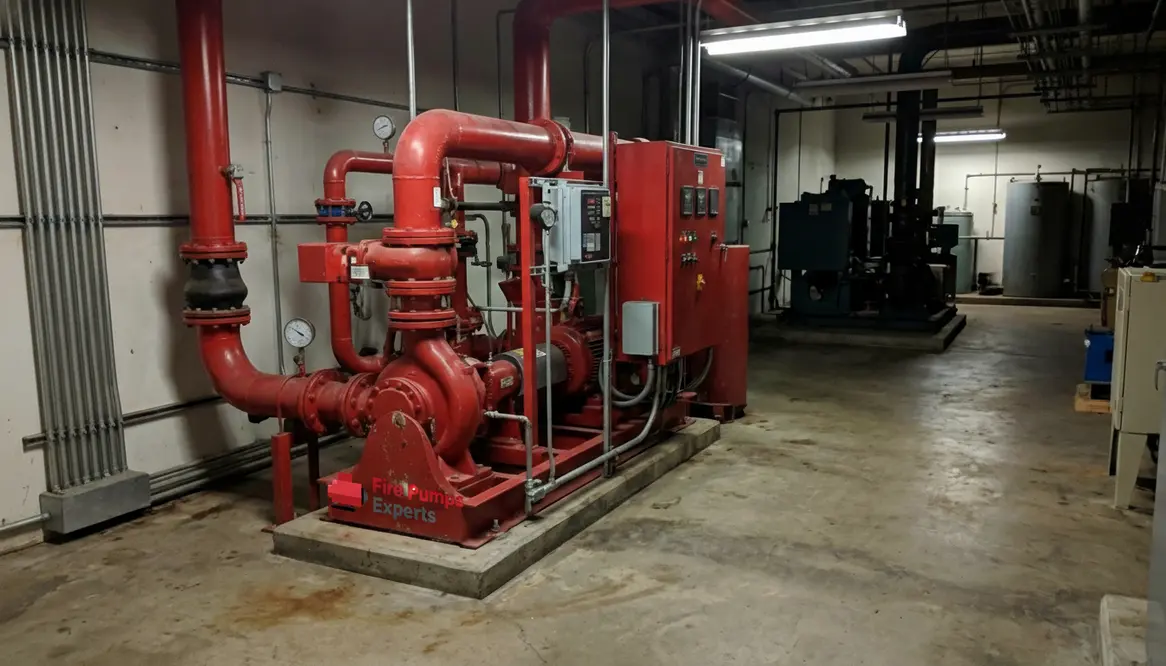
Fire Protection for High Risk Industrial Operations
I have spent years around machines that hum, roar, and occasionally act like they skipped their morning coffee. In those environments, Fire protection for high-risk industrial operations is not just a box to check. It is the quiet system standing between a normal day and a headline. And at the heart of that system sits the fire pump. Calm, steady, and ready to move water with purpose when everything else feels chaotic. Today, I will walk you through how these systems work, why they matter, and how to get them right without losing sleep or your sense of humor.
What makes fire pump systems critical in industrial facilities?
Let me answer this straight away. Industrial sites demand pressure and reliability that city water lines simply cannot guarantee. Therefore, fire pump systems step in to deliver consistent, high volume water flow when alarms trigger.
In facilities handling chemicals, heavy machinery, or large scale production, fire spreads faster than office gossip. However, a properly designed pump system counters that risk with immediate force. I have seen systems kick in so smoothly that you would think they rehearsed for weeks.
Moreover, these systems support compliance with strict codes, which means fewer headaches during inspections. And yes, inspectors notice everything. They have a talent for it.
Why they matter for Fire protection for high-risk industrial operations
When you scale up to heavy production, combustible storage, or complex processes, failure is not just about a small fire. It is about downtime, lost contracts, and hard questions from people in suits. Robust fire pump systems form the core of Fire protection for high-risk industrial operations, giving sprinklers, hydrants, and monitors the muscle they need to perform when every second counts.
Core components that keep everything running
Every fire pump system relies on a few key players working in sync. If one falls behind, the whole operation feels it.
The pump itself drives water at high pressure. Electric and diesel options each serve different facility needs. Diesel units, for instance, shine when power reliability is questionable.
Controllers act like the brain. They monitor pressure drops and activate the pump automatically. No hesitation, no drama.
Water supply must be dependable. Whether it is a tank, reservoir, or municipal feed, the volume must match the facility’s risk profile.
Valves and piping guide the flow. And yes, even a small valve issue can turn a strong system into a polite suggestion.
Together, these components form the backbone of industrial fire suppression systems, ensuring performance under pressure when it matters most.
How components support high-risk operations
In refineries, chemical plants, and heavy manufacturing, the coordination of pump, controller, valves, and supply determines how confidently you can claim solid Fire protection for high-risk industrial operations. Each part must be sized, installed, and maintained with those higher hazards in mind, not just copied from a light commercial template.
Choosing the right fire pump for heavy duty environments
I like to think of pump selection as casting the lead actor in a blockbuster film. Choose wisely, and everything else falls into place.
Flow, pressure, and power choices
First, consider flow and pressure requirements. Industrial facilities often need higher capacities than commercial buildings. Therefore, undersizing is not just a mistake, it is a liability.
Next, evaluate power sources. Electric pumps offer efficiency, while diesel pumps provide independence. In some cases, facilities use both for redundancy. Because if one fails, the other steps in like a seasoned understudy.
Also, factor in environmental conditions. Dust, heat, and vibration all affect performance. Consequently, durable construction and proper housing become essential.
When done right, this process strengthens Fire protection for high-risk industrial operations without overcomplicating your infrastructure.
Design strategies that improve performance and reliability
Design is where good systems become great systems. And trust me, there is a difference.
Layout, redundancy, and smart monitoring
Start with layout efficiency. Shorter pipe runs reduce friction loss, which means better pressure at the point of use. Additionally, clear access to equipment simplifies maintenance.
Redundancy plays a major role. Backup pumps, secondary power sources, and fail safe controls ensure the system performs even when conditions are less than ideal.
Furthermore, integrating monitoring technology allows real time performance tracking. If something drifts out of range, you know before it becomes a problem. It is like having a smoke alarm that also texts you updates. Handy, right?
These design strategies are the difference between basic compliance and truly resilient Fire protection for high-risk industrial operations. Robust layouts and smart controls keep water where it needs to be, at the pressure it needs to be there, long after the initial design meeting is over.
Fire protection for high-risk industrial operations in real world applications
Now let us bring this to life. Picture a large manufacturing plant with multiple hazard zones. Each area demands tailored protection, yet all rely on a central pump system.
High hazard zones
Require higher flow rates and specialized suppression systems. Pumps must respond instantly and sustain pressure.
Storage facilities
Often involve combustible materials. Consistent water delivery prevents rapid fire spread.
Processing areas
Contain machinery and heat sources. Reliable pumps reduce downtime and protect assets.
Utility sections
Support systems depend on stable fire protection to maintain overall operations.
In each case, the fire pump system acts as the central force tying everything together. Without it, even the best designed suppression network struggles to perform.
Maintenance practices that prevent costly surprises
If there is one truth I stand by, it is this. Systems that sit idle still need attention. Maybe especially then.
Testing, inspections, and everyday readiness
Routine testing ensures pumps start and run as expected. Weekly churn tests and periodic flow tests reveal hidden issues before they escalate.
Additionally, inspecting controllers, valves, and fuel systems keeps everything aligned. A small fix today prevents a major failure tomorrow.
And let us be honest. No one wants to discover a problem during an emergency. That is like realizing your phone battery is at one percent during a road trip. Not ideal.
Consistent upkeep reinforces fire safety systems for industrial facilities, keeping them dependable year round.
Conclusion
Fire pump systems do more than move water. They protect investments, operations, and lives. If you are managing a large scale facility, now is the time to evaluate your setup, refine your design, and commit to regular maintenance. A strong system today prevents chaos tomorrow. Reach out to experts who understand industrial demands and build solutions that last. Because when it comes to fire protection, confidence should never be optional.
FAQ
For deeper technical resources on pumps, standards, and performance expectations that support Fire protection for high-risk industrial operations, you can explore industry references such as https://firepumps.org alongside your local fire code requirements.