Fire Pump Solutions for Light Industrial Buildings
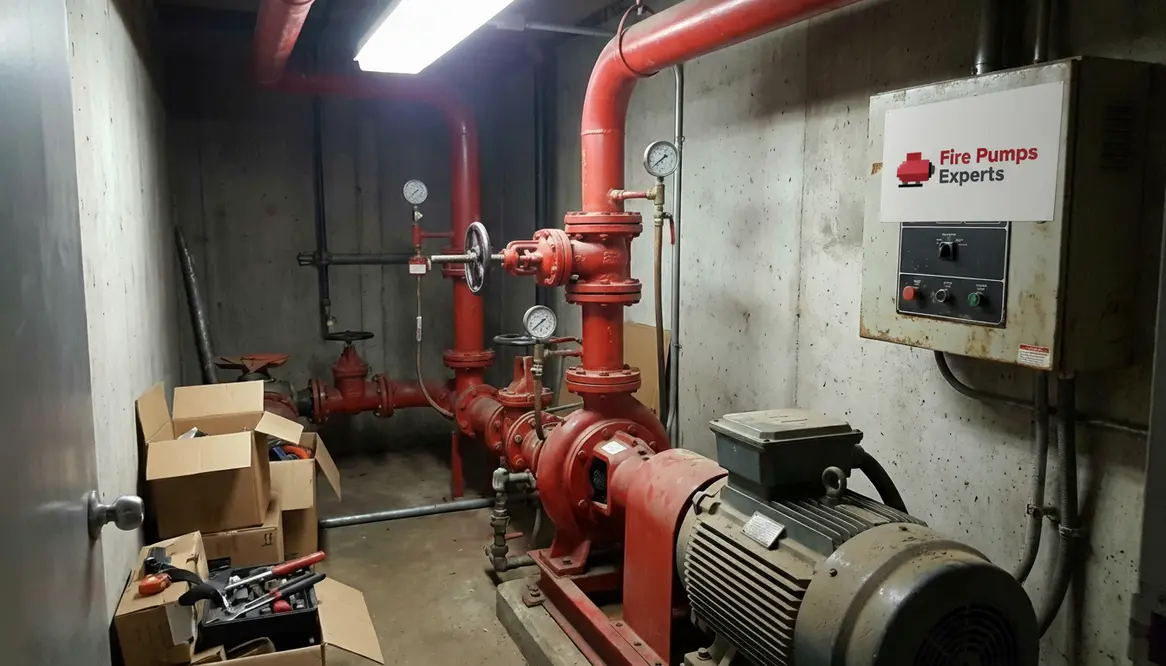
When a light industrial property needs a fire pump, I picture a quiet guardian waiting in the shadows, ready to roar to life at the worst possible moment. It is not glamorous. It does not ask for applause. Yet, without it, a small spark can turn into a scene straight out of an action movie, minus the heroic soundtrack. In facilities where production never truly sleeps, I treat fire pump systems as essential infrastructure, not optional extras. So today, I will walk you through how I approach fire pump solutions for light industrial buildings, with clarity, a bit of humor, and just enough gravity to keep us grounded.
What triggers the need for a fire pump in light industrial facilities?
I get this question often, usually right after someone sees their insurance premium creeping up like a villain in a slow reveal. The answer is simple. When municipal water pressure cannot meet fire protection demands, I step in with a fire pump solution.
However, there is more to it. Facilities with large floor areas, high storage racks, or specialized equipment often require higher flow rates. Additionally, if a building sits at the end of a water line or in an area with inconsistent supply, the need becomes obvious. Think of it like trying to shower with a trickle. It technically works, but nobody is impressed.
So, When a light industrial property needs a fire pump and requires enhanced fire suppression capability, I look at system demand, available pressure, and risk classification before recommending a pump. It is not guesswork. It is measured, precise, and frankly, a bit like detective work.
Common triggers in light industrial settings
- Large production areas or extended building footprints
- High-piled storage and dense rack systems
- Facilities at the end of municipal water grids
- Sites with fluctuating or unreliable water pressure
Choosing the right fire pump without overcomplicating it
I like to keep things straightforward. Fire pumps come in a few main types, and each has a job to do. Electric pumps are reliable and efficient, while diesel pumps serve as dependable backups when power fails. Split case pumps handle large volumes, and vertical inline pumps save space in tighter mechanical rooms.
That said, I do not just pick one because it sounds impressive. I match the pump to the building’s demand profile. For example, if a facility runs high density storage, I ensure the pump can deliver consistent pressure over time. Meanwhile, for operations with fluctuating risks, flexibility becomes key.
Electric vs diesel
- Electric: clean, efficient, fewer emissions, great where power is stable
- Diesel: excellent for backup and in areas prone to outages
Horizontal vs vertical
- Split case: ideal for higher flows and larger footprints
- Vertical inline: smart choice when mechanical room space is limited
And yes, bigger is not always better. Oversizing a pump can create pressure issues that stress the system. It is like bringing a monster truck to a parking garage. Impressive, but not practical.
When a light industrial property needs a fire pump and space is tight
Space constraints are common, especially in facilities that prioritize production over mechanical rooms. I have walked into buildings where the fire pump room felt like a closet that lost an argument with a forklift.
In these cases, I rely on compact configurations like vertical inline pumps or packaged systems. These solutions reduce footprint while maintaining performance. Additionally, I consider accessibility. A system that cannot be maintained easily will eventually fail, and that is a risk no operator should accept.
Therefore, I balance size, serviceability, and compliance. It is a careful dance, but when done right, it keeps both inspectors and facility managers happy. And trust me, that is rarer than a quiet Monday morning.
Design strategies when floor space is precious
- Using vertical inline pumps that tuck neatly into tighter rooms
- Leveraging prefabricated pump skids to control layout and clearances
- Planning access paths so technicians can actually reach valves and controllers
- Positioning components to keep future upgrades and inspections manageable
Smart system design that actually works in real life
I design systems for reality, not theory. That means accounting for wear, human error, and the occasional “who unplugged this” moment. A well designed fire pump system integrates alarms, backup power, and monitoring tools.
Moreover, I prioritize clear layouts and logical piping. Complex systems might look impressive on paper, but they often create headaches during inspections or emergencies. Simplicity, when done right, is powerful.
Key design elements I focus on
- Reliable power sources and backup options
- Proper pump sizing based on actual demand
- Easy access for inspection and testing
- Integration with fire alarm and sprinkler systems
As a result, the system performs when it matters most. And unlike a plot twist in a thriller, there are no surprises.
Installation and maintenance without the drama
I approach installation like setting the foundation for a long relationship. If it starts wrong, everything that follows becomes harder. Proper alignment, secure connections, and compliance with codes are non negotiable.
After installation, maintenance takes center stage. Weekly churn tests, regular inspections, and performance checks keep the system ready. Skipping these steps is like ignoring a check engine light and hoping for the best. It rarely ends well.
What I prioritize during installation
- Correct pump alignment
- Adequate ventilation
- Code compliant layout
- Clear labeling
What I monitor during maintenance
- Pressure consistency
- Flow performance
- Control panel alerts
- Backup system readiness
Because of this approach, I reduce downtime and extend system life. And honestly, fewer emergency calls mean more peaceful evenings for everyone involved.
Cost considerations without cutting corners
Let us talk money, because eventually, we all do. Fire pump systems are an investment, but cutting corners here is like using duct tape on a leaking dam. It might hold for a moment, but the consequences are costly.
Instead, I focus on long term value. Efficient pumps reduce energy costs, while durable components lower maintenance expenses. Additionally, a properly designed system can improve insurance terms, which is always a welcome bonus.
So yes, the upfront cost may feel significant. However, when I weigh it against potential losses, compliance issues, and operational disruptions, the decision becomes clear. Safety and reliability always win.
When a light industrial property needs a fire pump and a budget plan
- Balancing capital cost with long term maintenance savings
- Considering energy efficient motors where runtime is significant
- Evaluating the impact of system reliability on insurance and downtime
- Coordinating upgrades with other plant improvements to limit disruption
FAQ: Fire Pump Solutions for Light Industrial Buildings
When a light industrial property needs a fire pump, the same questions tend to come up again and again. These are some of the most common ones I hear and how I answer them.
Bringing it all together
In the end, I see fire pump systems as silent protectors of productivity, assets, and lives. If you are planning, upgrading, or questioning your current setup, now is the time to act. Reach out, evaluate your risks, and put a system in place that works when it matters most. Because when the unexpected happens, preparation is not just smart. It is everything.
When a light industrial property needs a fire pump, the best outcomes come from clear data, thoughtful design, and practical maintenance. Get those three pieces aligned, and the “quiet guardian in the shadows” will be ready, waiting, and fully capable of doing its job when the alarm finally sounds.