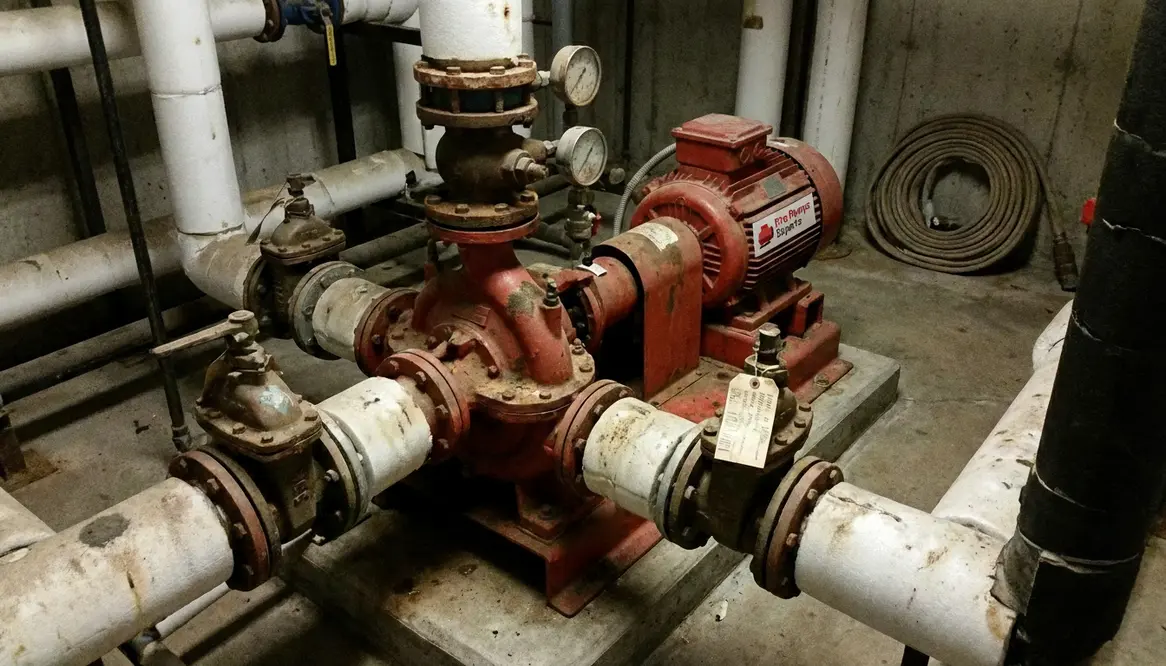
Fire Pump Aging System Performance Glendale Guide
I have spent years walking through mechanical rooms in Glendale, where the hum of machinery tells a story long before any gauge does. When we talk about fire pump aging system performance Glendale, we are really talking about how time shapes reliability. Pipes settle, valves stiffen, and systems that once roared now clear their throats like an old jazz singer. Yet, in commercial and industrial buildings, performance is not optional. It is the difference between control and chaos. So, let us take a steady walk through what really happens beneath the surface.
What happens to fire pump systems as infrastructure ages
First, let me answer this plainly. Aging infrastructure does not fail all at once. Instead, it fades in small, quiet ways. Seals lose flexibility. Corrosion builds where no one looks. Controllers that once responded instantly begin to hesitate like someone buffering on slow WiFi.
As a result, flow rates can drop, pressure becomes inconsistent, and response times stretch just enough to matter. In Glendale, where many commercial properties have decades of layered upgrades, these issues tend to stack. One outdated valve might not seem like a problem. However, combine it with sediment in pipes and a worn impeller, and suddenly the system performs like a superhero who forgot their cape.
Therefore, understanding this gradual decline is key. I always say, systems do not wake up one day and decide to fail. They have been hinting at it for years.
Fire pump aging system performance Glendale in commercial buildings
In large facilities, complexity adds another layer. High rises, industrial plants, and sprawling campuses rely on coordinated performance across multiple components. When infrastructure ages, synchronization becomes fragile.
For example, I have seen systems where the pump itself was in fair condition, yet the surrounding piping network restricted flow so much that the pump appeared underpowered. It is a bit like blaming the engine when the fuel line is clogged. Not exactly fair, but very common.
Moreover, Glendale properties often face retrofitting challenges. Older designs were not built for modern fire codes or higher occupancy loads. Consequently, even a functioning system may fall short under current demand. And no one wants to discover that during an emergency. That is the worst kind of plot twist.
Key performance indicators I always check first
When I evaluate a system, I focus on a few critical markers. These tell me more than any surface level inspection ever could.
Hydraulic Output
I measure pressure and flow consistency under load. If either fluctuates, something deeper is off.
Start Response Time
A delay of even a few seconds can signal electrical or controller wear.
Vibration Levels
Excess vibration often points to internal wear or imbalance.
Water Supply Integrity
Sediment or partial blockages can quietly choke performance.
Additionally, I pay close attention to testing history. A system with irregular testing logs tells me more than any sensor reading ever could. It is like skipping doctor visits and hoping everything just works out.
Why outdated infrastructure quietly reduces reliability
Here is where things get interesting. Aging systems rarely fail because of one dramatic issue. Instead, they suffer from accumulated inefficiencies. Each one seems minor. Together, they create real risk.
For instance, internal pipe scaling reduces diameter over time. This restricts water flow, forcing pumps to work harder. Consequently, wear accelerates. It is a slow spiral, not unlike trying to run a marathon while breathing through a straw.
At the same time, older electrical components may struggle with modern load demands. Even if they still function, they do so less efficiently. Therefore, the entire system operates below its intended capacity.
And yes, sometimes I joke that these systems are like classic cars. They look impressive, they have history, but you would not want to rely on them for a cross country race without serious upgrades.
How I approach upgrades without overhauling everything
Now, not every aging system needs a full replacement. In fact, targeted improvements often deliver the best results. I focus on strategic upgrades that restore performance without unnecessary disruption.
First, I address bottlenecks. Replacing key valves or clearing obstructed piping can dramatically improve flow. Next, I evaluate the controller and electrical components. Modernizing these often enhances response time and reliability immediately.
After that, I look at the pump itself. Sometimes a rebuild is enough. Other times, replacement makes more sense, especially when efficiency gains justify the cost.
Importantly, I always align upgrades with current fire codes and building demands. Glendale properties evolve, and their fire protection systems must keep pace. Otherwise, you end up with a system that technically works but practically falls short.
Fire pump aging system performance Glendale and long term planning
Long term performance is not about reacting. It is about anticipating. I encourage facility managers to treat fire pump systems as living systems that require ongoing attention.
Regular testing, detailed inspections, and performance tracking create a clear picture over time. As a result, issues can be addressed before they escalate. This proactive approach not only improves safety but also reduces costly emergency repairs.
Furthermore, planning upgrades in phases helps spread costs while maintaining reliability. No one enjoys surprise expenses, especially when they involve critical safety systems.
And let us be honest. A well maintained system does not just perform better. It also lets everyone sleep a little easier. That alone is worth the effort.
Why fire pump aging system performance Glendale matters more than it seems
There is a quiet misconception in some facilities that as long as the fire pump starts during a quick weekly test, everything is fine. That narrow view ignores the broader picture of fire pump aging system performance Glendale and how real emergencies stress a system far beyond a no-load spin-up.
During a major event, every weakness shows up at once: the partially clogged suction line, the tired controller, the undersized replacement pipe that someone installed “temporarily” fifteen years ago. That is why I focus on how the system behaves as a whole, not just whether individual components appear to function in isolation.
This is also where data becomes powerful. Tracking trends in test results over months and years gives early warning that fire pump aging system performance Glendale is slipping long before alarms start to trip. A slow drop in flow, a subtle increase in start times, or a small but consistent pressure loss under load all hint that the system wants attention.
Practical steps facility teams in Glendale can take this month
- Pull the last three years of test and inspection reports and look for patterns in pressures, flows, and start times.
- Walk the suction and discharge piping visually, noting any obvious corrosion, unsupported runs, or odd retrofits.
- Confirm that controller settings match the latest design documents and that alarm circuits function as intended.
- Check that valves critical to fire pump operation are supervised, accessible, and exercised regularly.
- Schedule a performance-focused assessment rather than a bare-minimum compliance check.
None of these steps require shutting down the building or tearing apart equipment, but together they create a clearer picture of where your system stands today and how to keep it strong over the next decade.
FAQ
Conclusion
If you manage a commercial or industrial property in Glendale, now is the time to take a closer look at your fire pump system. Small inefficiencies today can become serious risks tomorrow. I can help you evaluate performance, identify weak points, and plan smart upgrades that protect both your building and the people inside. Reach out, and let us make sure your system is ready when it matters most.