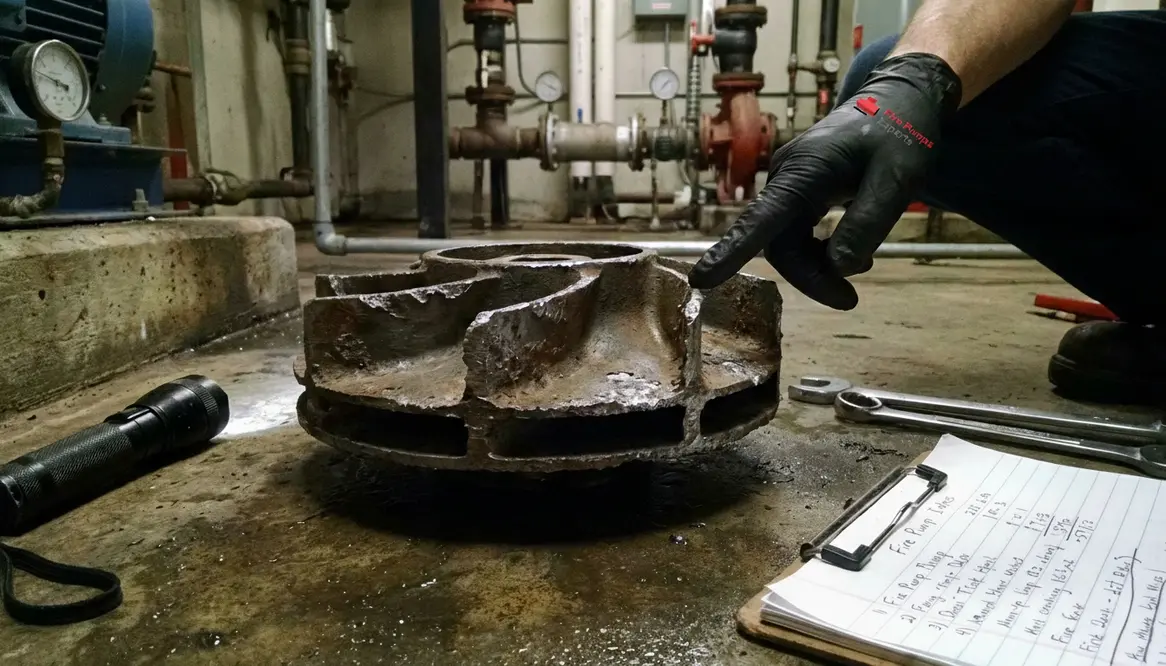
Fire Pump Impeller Wear Pasadena CA Output Loss
I have spent enough time around mechanical rooms to know one truth. When a fire pump starts to lose its edge, it rarely announces itself with fireworks. Instead, it whispers. And in places like Pasadena, where commercial and industrial properties rely on consistent fire protection, those whispers matter. Today, I want to talk about fire pump impeller wear Pasadena CA and how something so small can quietly chip away at system performance until it becomes a real problem.
So, pull up a chair. Or at least lean against a control panel like you own the place. Let us walk through what is really happening inside that pump.
What Happens When an Impeller Starts to Wear
I like to think of the impeller as the heart of the fire pump. It spins, it moves water, it keeps everything alive when it matters most. However, over time, wear creeps in. Abrasion from minerals, tiny debris, and even slight imbalances begin to eat away at its surface.
As a result, the once smooth vanes lose their shape. That means less efficient water movement. And while the pump still runs, it does not perform the way it was designed to. It is a bit like asking a marathon runner to sprint with sand in their shoes. Technically possible. Not exactly ideal.
Moreover, the clearances inside the pump widen. This allows water to slip backward instead of moving forward. Consequently, output drops, pressure fluctuates, and reliability takes a hit.
Fire Pump Impeller Wear Pasadena CA and System Output Loss
Now let us get specific. In large facilities across Pasadena, I often see output loss tied directly to impeller wear. And it is not always obvious at first glance.
For example, the pump may still meet minimum pressure during routine testing. However, under peak demand, it struggles. That gap between expected and actual performance is where risk lives.
Additionally, worn impellers force motors to work harder. This increases energy use and heat. Over time, that stress can affect other components. So, what started as a minor efficiency issue becomes a broader mechanical concern.
And let me tell you, mechanical rooms have a way of turning small issues into expensive ones. They are like that one character in a movie who says, “It is probably fine,” right before everything goes sideways.
How Do I Know If My Fire Pump Impeller Is Worn
Subtle but important warning signs
I get this question a lot, and honestly, it is a good one. Because impeller wear does not always show itself in obvious ways.
First, I look at performance trends. If flow rates or pressure readings start to drift, that is a clue. Next, I listen. Pumps with worn impellers often sound different. Not dramatic, but just enough to make you tilt your head and wonder.
Then, I check vibration levels. Increased vibration can point to imbalance caused by uneven wear. And finally, during inspections, I look inside. Because sometimes, you need to see the damage to understand it.
In commercial and industrial properties, these checks are not optional. They are part of staying ahead of failure rather than reacting to it. If you are responsible for fire pump impeller wear Pasadena CA issues in your facility, early detection changes the whole outcome.
Operational Impact Across Large Facilities
Performance effects
- Reduced flow capacity during high demand
- Inconsistent pressure delivery
- Longer pump run times
- Increased energy consumption
System consequences
- Strain on motors and bearings
- Higher maintenance frequency
- Risk of failing compliance tests
- Potential downtime during critical moments
When I look at facilities like hospitals, manufacturing plants, or high rise buildings, the stakes are simply higher. These are not places where you can afford a maybe. The system either works, or it does not.
Fire Pump Impeller Wear Pasadena CA Maintenance Strategies That Work
Keeping performance where it should be
Now here is the part I enjoy. Because this is where we take control of the story.
First, regular testing is non negotiable. Not just ticking a box, but actually analyzing performance data. Then, scheduled inspections should include internal component checks when possible.
Additionally, water quality management plays a bigger role than most people think. Cleaner water means less abrasive wear. It is not glamorous, but it is effective.
Another strategy involves vibration monitoring. With modern tools, we can detect changes early. That means we act before output drops to a dangerous level.
And finally, when wear is confirmed, replacement or refurbishment should not be delayed. Waiting rarely improves the situation. If anything, it gives the problem time to invite its friends.
If your facility has been operating for years without a close look at fire pump impeller wear Pasadena CA conditions, building a proactive maintenance plan is one of the smartest upgrades you can make.
Why This Matters More Than You Think
I have seen buildings pass inspections while quietly developing performance issues. On paper, everything looks fine. In reality, the margin for error is shrinking.
That is why understanding impeller wear is not just a technical detail. It is part of a larger commitment to safety and reliability. And in commercial and industrial settings, that commitment carries real weight.
Besides, if Hollywood has taught us anything, it is that small problems ignored tend to become big problems at the worst possible moment. I would rather not test that theory in a fire protection system.
Whether you manage one building or a full portfolio, treating fire pump impeller wear Pasadena CA as a priority keeps you ahead of the plot twist nobody wants.
FAQ
Conclusion
If you manage a commercial or industrial property, now is the time to take a closer look at your fire pump performance. Small inefficiencies today can become major risks tomorrow. I recommend scheduling a detailed inspection and reviewing your system data with experienced professionals. Stay ahead of wear, protect your investment, and ensure your fire protection system performs exactly when it is needed most. Because in this line of work, reliability is everything.
For technical guidance, reference materials at https://firepumps.org can help support a stronger maintenance program and more consistent outcomes.