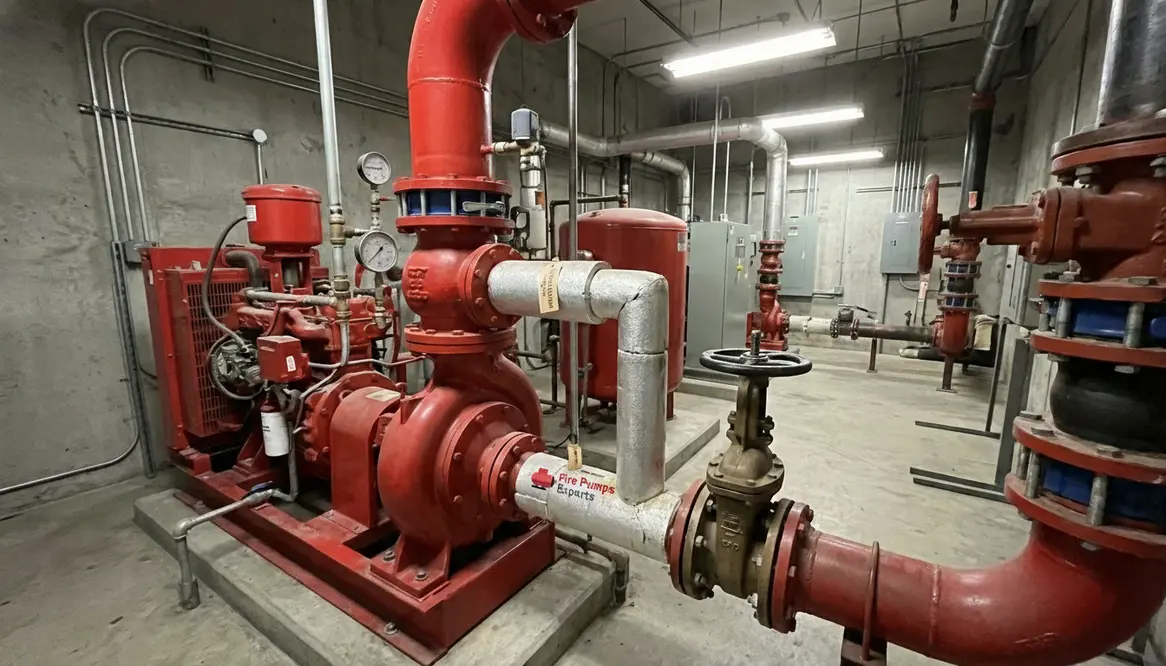
Fire Pump Recirculation Line Fontana Guide
I have spent years around fire protection systems, and if there is one component that rarely gets applause but absolutely deserves it, it is the fire pump recirculation line Fontana systems depend on during high demand scenarios. In large commercial and industrial buildings, where water demand can spike in seconds, this line quietly keeps everything stable. Think of it as the backstage crew at a concert. You do not see them, but without them, the show falls apart fast. And in fire protection, “falling apart” is not an option.
In the background of those high demand systems, the fire pump recirculation line Fontana properties rely on is constantly managing temperature, pressure, and pump health. It does its work quietly, redirecting water where it needs to go so the entire system can respond instantly when sprinkler heads open or standpipes charge. You do not get dramatic music or flashing lights. You just get a system that works when it has to.
What does a fire pump recirculation line actually do in high demand systems
Protecting the pump from low-flow abuse
I get this question a lot, and honestly, it is a good one. A recirculation line prevents a fire pump from overheating when water demand suddenly drops or fluctuates. When a pump runs at low flow, heat builds up quickly. Without a release path, that heat can damage seals, warp components, and shorten the pump’s life.
So, instead of letting the pump cook itself like leftovers forgotten in the microwave, the recirculation line sends a controlled amount of water back to a safe location. As a result, the pump stays cool and stable, even when demand is unpredictable.
Why that matters in Fontana’s commercial properties
In high demand commercial properties across Fontana, where systems must respond instantly, that stability is everything. It keeps the pump ready, reliable, and compliant with fire codes. Without that quiet little loop of water on standby, a big, expensive pump can be reduced to a noisy, overheated liability.
When people talk about performance, they usually focus on horsepower and pressure. The fire pump recirculation line Fontana engineers design into serious systems is what lets that performance stay safe, controlled, and repeatable day after day.
fire pump recirculation line Fontana systems rely on for performance stability
Power is pointless without control
In large scale facilities, performance is not just about power. It is about control. I have seen systems with massive pumps fail simply because they lacked proper recirculation planning.
When demand spikes and then suddenly drops, the pump does not get a warning. It just keeps spinning. Therefore, without a recirculation path, pressure and temperature can rise quickly. That is where problems begin.
With a properly designed fire pump recirculation line Fontana facilities can count on, excess energy gets redirected. Consequently, the pump avoids stress, maintains optimal temperature, and continues operating efficiently.
It is a bit like cruise control on a highway. You could drive without it, sure. But why risk sudden jolts when you can maintain a smooth ride?
Why high demand commercial systems cannot ignore recirculation design
The risk of treating it as optional
Let me be direct here. Ignoring recirculation design in a high demand system is a gamble, and not the fun kind you see in movies.
Large buildings such as warehouses, manufacturing plants, and high rise complexes experience fluctuating water demands. During testing, partial activation, or system resets, flow conditions change fast. As a result, pumps can operate in unsafe zones without proper safeguards.
Additionally, regulatory standards expect these systems to include thermal relief measures. A recirculation line is not just a smart addition. It is often required.
What you risk by skipping it
- Premature pump failure
- Increased maintenance costs
- Downtime during critical moments
- Compliance issues with fire safety codes
And let me tell you, downtime during a fire emergency is about as welcome as a plot twist in a bad sequel.
How I approach designing recirculation systems for large properties
Precision matters
I always calculate the minimum flow required to keep the pump cool. This is not guesswork. It depends on pump size, system pressure, and expected usage patterns.
Placement is key
I position the recirculation line where it can safely discharge water without affecting system pressure. Often, this means routing it back to a storage tank or a safe drain point.
Control valves make the difference
I use automatic valves that activate when flow drops below a set level. That way, the system responds instantly without human intervention.
Integration with the full system
I make sure the recirculation line works in harmony with controllers, sensors, and alarms. Everything needs to communicate clearly.
Because at the end of the day, a fire protection system should behave less like a guessing game and more like a well rehearsed orchestra.
Common mistakes I see in Fontana fire pump systems
The usual suspects
Even in well funded projects, I still come across a few repeat offenders.
First, undersized recirculation lines. They simply cannot handle the thermal load, which defeats the purpose entirely. Next, poor routing choices that create backpressure or inefficient discharge paths.
Then there is the classic oversight of missing automation. A manual system in a high demand environment is like expecting someone to manually refresh a website every second. It just does not work.
Finally, lack of regular testing. Even the best design needs verification. Without it, small issues can grow quietly until they become expensive problems.
FAQ Quick answers for fire pump recirculation systems
Keep your system ready when it matters most
If you manage a large commercial or industrial property, now is the time to take a closer look at your fire pump setup. A properly designed recirculation line is not just a feature. It is a safeguard that protects your investment and ensures readiness under pressure. The fire pump recirculation line Fontana buildings depend on for reliability has to be calculated, routed, and controlled with intention, not slapped in as an afterthought.
Reach out to a qualified fire protection specialist and make sure your system can handle real world demand without hesitation. Because when seconds count, your system should not be thinking. It should be acting. If you want a starting point for learning more about pump behavior, codes, and best practices, resources like https://firepumps.org can help you ask better questions and understand the answers you get.
Whether you are upgrading an aging installation or planning a new facility, treat the fire pump recirculation line Fontana authorities expect to see as one of the core elements of the design. It is a small part of the drawings, but it plays a huge role in how calmly and confidently your system responds when the alarms sound.