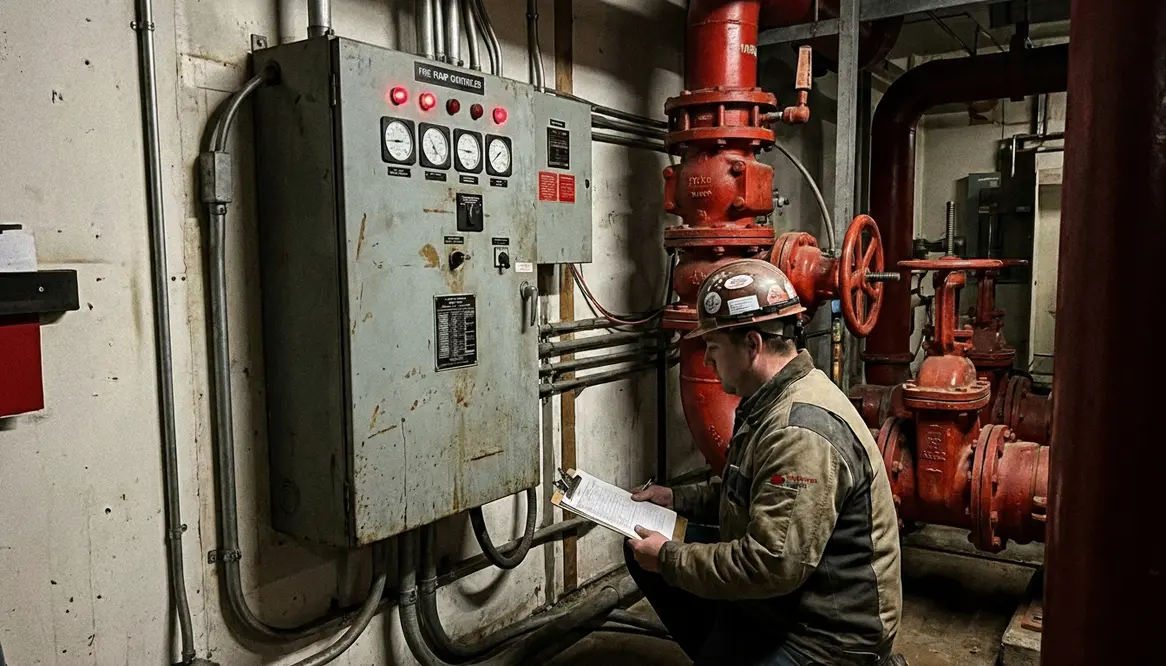
Fire Pump Controller Replacement Cost Guide
I have spent enough time around mechanical rooms to know one thing for certain. When a fire pump controller fails, it never picks a convenient moment. It happens quietly, then suddenly, like a plot twist in a thriller. And right about then, someone asks the big question about fire pump controller replacement cost. The answer is not just a number. It is a story of equipment, compliance, risk, and timing. So let me walk you through it in a way that feels less like a manual and more like a conversation you actually want to finish.
What Drives Fire Pump Controller Replacement Cost in Commercial Buildings
First, I look at the type of controller. Electric and diesel systems live in different financial neighborhoods. Electric controllers tend to cost less upfront, while diesel setups bring more complexity and higher price tags. However, that is only the opening act.
Next comes size and horsepower. A high rise tower or industrial plant demands more power, and naturally, that pushes costs upward. Then there is compliance. Local fire codes do not negotiate. If your system needs upgrades to meet current standards, the price reflects that reality.
Finally, labor enters the scene. Skilled technicians, permits, and testing all add layers. And yes, inspections can feel like a surprise guest who eats more than expected.
In most commercial settings, I typically see replacement costs range from several thousand dollars to well into five figures. It depends on how ambitious your system needs to be. When you hear someone quote a fire pump controller replacement cost that sounds suspiciously low, it usually means a few of these elements are being left out of the conversation.
Breaking Down the Real Costs Behind the Equipment
Let me simplify what you are actually paying for. It is not just a metal box with wires. It is the brain of your fire protection system.
Core Components
- Controller unit and enclosure
- Transfer switches
- Monitoring systems
- Alarm integration
Associated Expenses
- Installation labor
- Electrical upgrades
- Permits and inspections
- System testing and certification
Because of this, the price of replacing a fire pump controller reflects both hardware and expertise. You are not buying a gadget. You are investing in reliability when it matters most, and that is exactly why fire pump controller replacement cost can feel higher than many people expect at first glance.
How Do I Know When Replacement Is Necessary
Here is the truth. Fire pump controllers do not politely announce retirement. Instead, they show subtle signs. Maybe you notice delayed startup. Maybe alarms behave like they have had too much coffee. Or perhaps your system simply fails a routine inspection.
Additionally, outdated controllers often struggle to meet modern code requirements. If your system is over a decade old, replacement often makes more sense than repair. I have seen facilities pour money into fixes only to end up replacing the unit anyway. That is like patching a leaky boat with duct tape. It works until it does not.
So if performance dips or compliance becomes questionable, it is time to act. Waiting usually means your eventual fire pump controller replacement cost lands on the higher end because you are responding to an emergency instead of planning a controlled upgrade.
How to Reduce Fire Pump Controller Replacement Cost Without Cutting Corners
Now here is where strategy comes into play. While you cannot avoid the expense entirely, you can manage it wisely.
First, schedule proactive inspections. Catching issues early prevents emergency replacements, which always cost more. Timing matters.
Second, work with experienced providers who specialize in commercial and industrial systems. For example, I often recommend reviewing insights from commercial fire pump system experts because they focus specifically on large scale properties.
Third, consider system compatibility. If your infrastructure supports a smoother upgrade, you avoid costly modifications. Planning ahead pays off.
And finally, bundle services when possible. Combining installation, testing, and certification can reduce overall expenses. When you look at total fire pump controller replacement cost, think in terms of lifecycle savings, not just the invoice you see this quarter.
Hidden Factors That Quietly Influence Pricing
Some cost drivers stay behind the curtain, yet they matter just as much.
For instance, location plays a role. Urban facilities often face higher labor rates and stricter permit processes. Meanwhile, older buildings may require electrical upgrades before a new controller can even be installed.
Then there is downtime. In large commercial properties, system interruptions must be carefully managed. That coordination adds complexity and cost.
And let us not forget supply chain timing. Certain controller models may take longer to source, which can influence pricing and scheduling. It is a bit like waiting for the next blockbuster release. You know it is coming, but the timing can test your patience.
When all of these pieces line up at once, they can shift your final fire pump controller replacement cost more than the equipment line item itself, which is why planning and realistic timelines matter so much.
FAQ About Fire Pump Controller Replacement
People usually circle back to the same concerns: budget, timing, options, and safety. The questions below help frame what to expect before you commit to a specific fire pump controller replacement cost for your building.
Final Thoughts and Your Next Move
When I think about fire protection, I think about certainty in uncertain moments. Investing in the right controller is not just about meeting code. It is about protecting people, property, and peace of mind. If you are weighing your options, now is the time to act. Get a professional assessment, plan your upgrade, and take control before the system decides for you. Because in this story, you want to be the one calling the shots, and that starts with understanding the real fire pump controller replacement cost for your building instead of guessing in the dark.