Fire Pump Controller Requirements for Reliable Safety
Practical insights on fire pump controller requirements, performance, and the real-world details that keep systems ready when they are needed most.
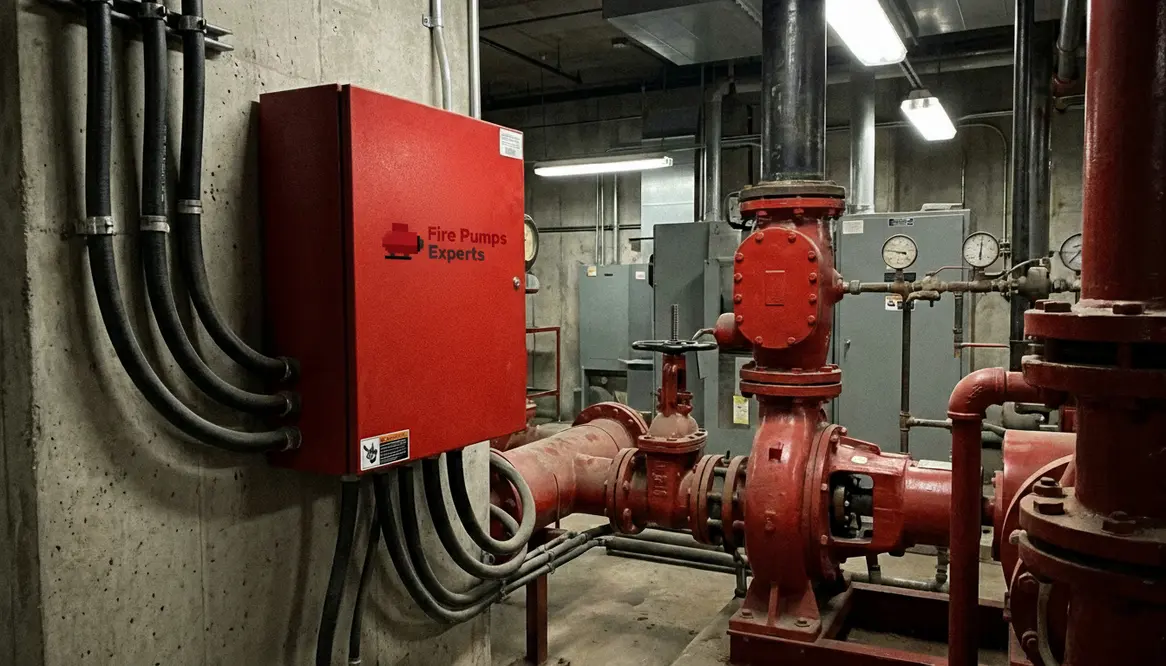
I have spent enough time around mechanical rooms to know one thing for certain. When a fire breaks out, there is no room for hesitation, confusion, or a controller that decides today is its day off. That is why fire pump controller requirements matter so much in commercial and industrial buildings. They are not just technical checkboxes. They are the quiet guardians that decide whether water flows when everything else is going wrong. So let me walk you through what really matters here, without the fluff, and with just enough personality to keep you awake.
What are fire pump controller requirements and why should I care?
I will answer this straight. These requirements define how a fire pump controller must perform, respond, and survive during an emergency. They ensure the pump starts automatically, runs reliably, and keeps delivering water even when conditions are less than friendly. In other words, they are the difference between a controlled incident and a headline.
Now, you might think, “It is just a controller, how complicated can it be?” Well, this is not your average light switch. This system must detect pressure drops, trigger instantly, and operate under strict electrical and environmental standards. Moreover, codes like NFPA 20 set the tone, and trust me, they do not leave much room for improvisation.
Because of that, I always treat these requirements as a blueprint for reliability. And in large facilities, reliability is everything.
Why these requirements are more than “just code”
Fire pump controller requirements are often treated like a paperwork chore, but they quietly dictate how quickly your system reacts, how long it survives, and whether it still works when parts of the building are already in trouble. That is not bureaucracy. That is performance under stress.
Core fire pump controller requirements every facility must meet
Let me break this down in a way that actually sticks. These are not optional features. They are expectations.
Automatic start capability
First and foremost, the controller must start the pump when pressure drops. No human intervention. No second guessing. It just goes.
Manual override
However, automation is not enough. You still need manual control. Because sometimes, a human needs to step in and say, “I have got this.”
Reliable power supply
Controllers must connect to dependable power sources. Often, this means dedicated feeds or backup systems. Because a controller without power is about as useful as a screen door on a submarine.
Durability and enclosure standards
Additionally, these systems must handle heat, dust, and moisture. Industrial environments are not gentle, and neither is a fire event.
Alarm and monitoring features
Finally, controllers must communicate. They should alert operators when something is wrong. Silence might be golden in music, but not in fire protection.
How do fire pump controller requirements affect system performance?
This is where things get interesting. The requirements do not just exist for compliance. They directly shape how the entire fire protection system behaves.
For example, response time is everything. A properly configured controller reacts almost instantly to pressure changes. As a result, water reaches the fire faster, which can significantly limit damage.
At the same time, consistency matters. A controller must keep the pump running once it starts. It cannot stop just because conditions look better for a moment. Fires are unpredictable, and the system must stay committed.
Then there is coordination. In large facilities, multiple systems work together. Therefore, the controller must integrate smoothly with alarms, sensors, and backup systems. When everything works in sync, it feels less like chaos and more like a well rehearsed orchestra. And yes, I am aware that comparing fire safety to music might sound odd, but when it works, it really does feel that smooth.
Where requirements meet reality
In practice, strong fire pump controller requirements translate into fewer surprises during testing, fewer nuisance trips, and more confidence when the building is occupied. When these boxes are checked properly, the whole system behaves more like a steady foundation than a collection of risky parts.
Design considerations for commercial and industrial buildings
Now let us talk about scale. Because what works in a small setup will not cut it in a massive facility.
High demand environments
Large properties require controllers that can handle heavy loads. The system must support sustained operation without overheating or failing.
Redundancy planning
In critical facilities, backup controllers or fail safe mechanisms are often necessary. Because one layer of protection is good, but two is better.
Compliance with strict codes
Industrial sites face tighter regulations. Therefore, controllers must meet detailed standards without compromise.
Ease of maintenance
Technicians need quick access and clear diagnostics. Time spent troubleshooting is time you do not have during an emergency.
When I evaluate systems in these environments, I focus on how well the controller supports the bigger picture. Because in a large building, every second and every decision matters.
Common mistakes I see with fire pump controller setups
Even with clear guidelines, mistakes happen. And some of them are surprisingly common.
Improper installation
One issue is improper installation. A controller might meet all specifications on paper, yet fail in practice because it was installed incorrectly. That is like buying a sports car and never learning how to drive it.
Neglecting maintenance
Another problem is neglecting maintenance. Over time, components wear down. However, many facilities treat controllers as set it and forget it devices. That approach rarely ends well.
Poor integration
Then there is poor integration. If the controller does not communicate properly with other systems, you end up with delays or missed signals. And during a fire, delays are not just inconvenient. They are dangerous.
So I always recommend regular testing, proper installation, and ongoing monitoring. It is not glamorous work, but it is essential.
Checking your own setup
If you want a quick reality check, compare your system against the core fire pump controller requirements and ask three simple questions: Does it start reliably? Does it stay running under stress? Does it communicate clearly when something is wrong? If you hesitate on any of those, it is time for a closer look.
FAQ about fire pump controller requirements
These are some of the questions that come up most often when people start taking fire pump controller requirements seriously in their facilities.
Final thoughts and next steps
When I look at fire protection systems, I see more than equipment. I see decisions that protect lives, assets, and entire operations. Fire pump controller requirements are not just technical details. They are commitments to reliability when it matters most. If you manage a commercial or industrial property, now is the time to review your system, close any gaps, and make sure everything works exactly as it should. Because when the moment comes, there are no second chances.