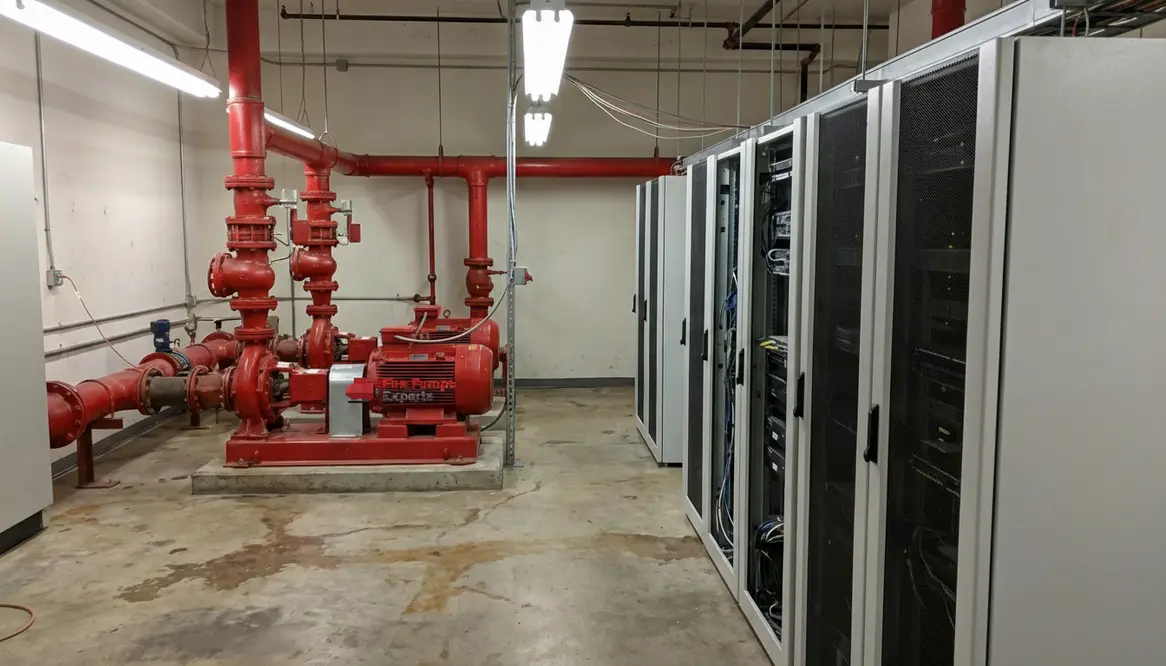
Fire Pump Data Center Australia Design Guide
I have spent years around critical infrastructure, and I can tell you this without hesitation: when it comes to protecting digital assets, fire does not care how advanced your servers are. It only cares that it can burn. That is why fire pump data center Australia design is not just another box to tick. It is a carefully engineered safeguard that keeps millions of dollars in hardware, and even more in data, out of harm’s way. And yes, while it may not sound as exciting as the latest AI breakthrough, trust me, when things go wrong, this is the system everyone wishes they had taken more seriously.
What makes fire pump systems critical for Australian data centers?
Let me answer this the way most operators would phrase it into a search bar: why do I actually need a fire pump system in my facility? Because in Australia, conditions can shift quickly. Heatwaves, electrical loads, and dense server racks create the perfect storm for fire risk. Therefore, a properly designed fire pump system ensures consistent water pressure when it matters most.
Moreover, compliance is not optional. Australian standards such as AS 2118 demand reliable fire protection systems. A well designed pump setup supports sprinklers and hydrants, ensuring they perform under peak demand. Without that pressure boost, even the best sprinkler system becomes about as useful as a screen door on a submarine.
In addition, redundancy plays a huge role. Data centers operate 24 by 7, and downtime is expensive. So, fire pump systems must match that reliability with backup power and fail safe configurations.
Core design principles I follow in fire pump data center Australia projects
When I approach a design, I focus on performance first. However, performance without resilience is like building a race car without brakes. It looks great until it doesn’t.
Here are the essentials I prioritize:
Hydraulic accuracy
I calculate demand carefully, accounting for simultaneous system activation. This ensures adequate flow and pressure across all zones.
Redundant pump configurations
Typically, I specify duty and standby pumps. If one fails, the other takes over without hesitation.
Power reliability
Electric pumps are common, yet diesel backups provide independence during outages. In Australia, where grid stability can vary, this matters more than people admit.
Integration with building systems
The fire pump must communicate with alarms, detection systems, and control panels. Otherwise, it is like having a great drummer in a band that refuses to follow the beat.
Consequently, each of these elements works together to create a system that responds instantly and consistently.
How do I size and select the right fire pump system?
This is where things get technical, but I will keep it grounded. First, I evaluate the hazard classification of the data center. While servers do not look dangerous, the electrical load says otherwise. Then, I determine flow rates based on sprinkler design density.
Next, I assess pressure requirements. Multi level facilities or large campuses require higher discharge pressures. Therefore, pump selection must align with the most demanding point in the system.
Additionally, I consider future expansion. Data centers rarely stay the same size. So, I build in capacity where possible. Think of it like buying a bigger fridge before you host a party. You may not need it today, but you will thank yourself later.
Finally, I ensure compliance with Australian standards and local authority requirements. Skipping this step is not bold. It is expensive.
Design considerations unique to Australian environments
Australia brings its own personality to engineering challenges. And by personality, I mean heat, distance, and sometimes unpredictable infrastructure.
Climate impact
High ambient temperatures can affect pump performance. Therefore, cooling and ventilation must be factored into pump room design.
Water supply variability
Not all sites have consistent municipal supply. As a result, I often include storage tanks sized for full system demand.
Remote locations
Some facilities sit far from major cities. So, maintenance access and spare parts availability influence equipment selection.
Regulatory alignment
Local codes and insurer requirements may differ slightly. Therefore, coordination early in the design phase prevents costly redesigns.
Altogether, these factors shape how I approach each project. No two sites are identical, even if the server racks look eerily similar.
Common mistakes I see in fire pump system design
I have seen enough projects to know where things go sideways. And while I wish I could say these are rare, they are not.
Undersized systems
Some designs meet minimum requirements on paper but fail under real conditions. Consequently, performance suffers when demand peaks.
Poor testing provisions
If you cannot test the pump easily, you probably will not. That is a problem. Regular testing ensures readiness.
Lack of redundancy
Relying on a single pump in a mission critical facility is a gamble. And unlike Vegas, the odds are not in your favor.
Ignoring lifecycle maintenance
Design is only half the story. Systems must remain serviceable over time. Otherwise, reliability fades quietly until it matters most.
Future trends shaping fire protection in data centers
Technology keeps evolving, and so do fire protection strategies. For instance, smart monitoring systems now track pump performance in real time. This allows operators to detect issues before they escalate.
Moreover, integration with building management systems is becoming standard. As a result, facilities gain better visibility and control. It is a bit like giving your fire system its own dashboard, minus the flashy sports car graphics.
Additionally, sustainability is entering the conversation. Efficient pump designs and optimized water usage are gaining attention. Therefore, future systems will balance safety with environmental responsibility.
Across every project, the core challenge remains the same: ensure that each fire pump data center Australia installation delivers rock solid performance when demand surges, while still fitting within energy, space, and compliance constraints that keep operators and regulators satisfied.
FAQ: Fire Pump Systems for Data Centers in Australia
What type of fire pump is best for data centers?
Electric pumps with diesel backup are commonly used for reliability and compliance.
Are fire pumps mandatory in Australian data centers?
Yes, most facilities require them to meet AS 2118 and insurer standards.
How often should fire pumps be tested?
Weekly and monthly testing is typical, with annual performance verification.
Can one pump serve the entire facility?
It can, but redundancy is strongly recommended for mission critical operations.
Do data centers need on site water storage?
Often yes, especially where municipal supply is insufficient or unreliable.
Specialist providers in this space often share project examples and deeper technical guidance, and resources such as https://firepumps.org highlight how rigorous design, testing, and maintenance combine to keep fire pump data center Australia installations aligned with best practice.
Conclusion
When I design fire protection systems, I treat them as silent guardians. They sit idle until the moment everything depends on them. If you are planning or upgrading a facility, now is the time to get it right. A well engineered system protects more than infrastructure. It protects continuity, reputation, and peace of mind. Reach out to experienced specialists who understand complex commercial environments and build solutions that perform when it truly counts. The most successful fire pump data center Australia projects are the ones that never make headlines, because the system works so reliably that disaster never gets a chance to unfold.