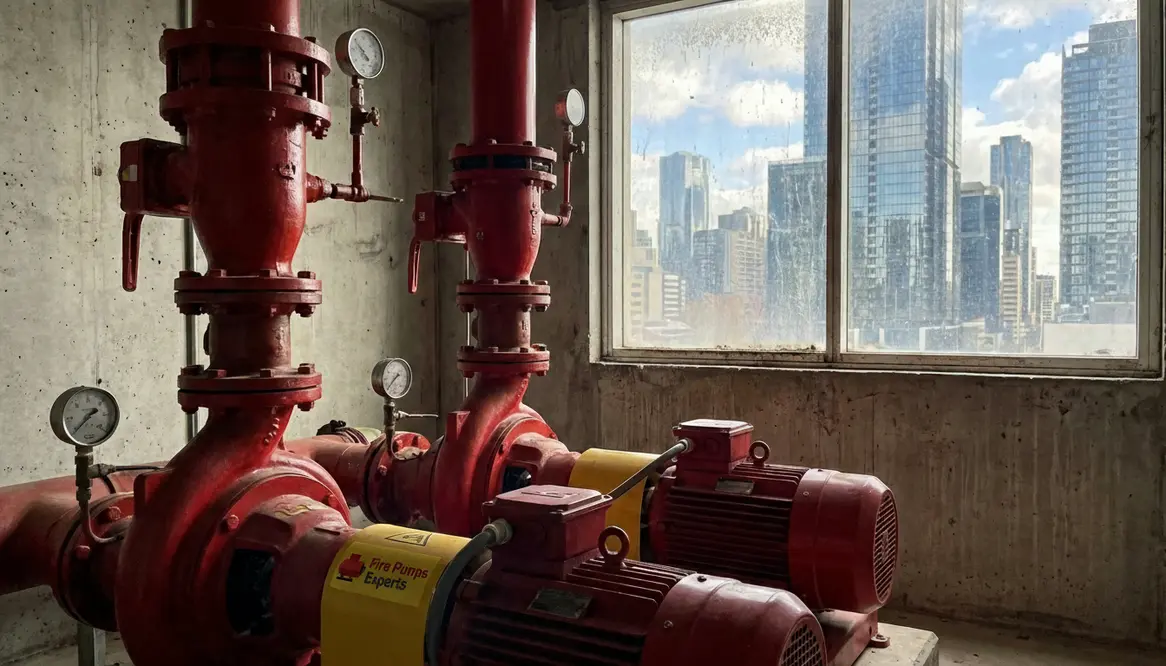
Fire Pump High Rise Melbourne Selection Guide
I have spent years around tall buildings, and if there is one thing I never take lightly, it is fire safety. When we talk about fire pump high rise Melbourne systems, we are not just talking about equipment. We are talking about the quiet guardians tucked away in plant rooms, ready to roar to life when everything else goes wrong. In a city like Melbourne, where skylines keep climbing, selecting the right fire pump is not optional. It is essential. And yes, it matters more than your morning coffee, though I admit that is a close second.
Understanding Fire Pump Systems in High Rise Buildings
First, let me ground this in reality. A fire pump exists to maintain water pressure when gravity alone cannot do the job. In high rise buildings, water must travel upward, often against serious resistance. Therefore, the pump must be powerful, reliable, and precise.
Moreover, Melbourne brings its own quirks. Local codes, infrastructure demands, and building density all shape how systems are designed. I always consider compliance with Australian standards alongside real world performance. Because, frankly, passing inspection is great, but surviving an emergency is better.
In addition, I look at system types. Electric pumps offer efficiency and consistency, while diesel pumps provide independence during power outages. And yes, if you have ever seen a blackout during a storm, you already know which one earns its keep.
How Do I Choose the Right Fire Pump for a High Rise in Melbourne?
I get this question often, and the answer is both simple and layered. Start with building height, water demand, and hazard classification. Then, refine your selection based on pressure requirements and redundancy needs.
However, I never stop there. I evaluate flow rates under peak demand, because sprinklers and hydrants may operate at the same time. Additionally, I consider future expansion. Buildings evolve, and your fire protection should not feel like a relic from season one of a long running show.
Consequently, I recommend working with specialists who understand commercial and industrial scale systems. These are not small installations. They protect major assets, complex operations, and a lot of people.
Key Factors That Shape Fire Pump Selection
Hydraulic Demand
I calculate the required flow and pressure carefully. Too little, and the system fails. Too much, and you risk damage and inefficiency.
System Redundancy
I always plan for backup. A secondary pump or diesel unit ensures reliability when the unexpected happens.
Power Supply
Electric pumps need stable power. Therefore, I assess backup generators and switching systems.
Compliance Requirements
Melbourne regulations guide every decision. I align designs with AS standards and local codes.
Space Constraints
Plant rooms in high rise buildings can feel like a game of Tetris. I design layouts that maximize efficiency without compromising access.
Maintenance Access
Because if you cannot service it easily, it will fail when you need it most. And no one wants that kind of plot twist.
Fire Pump High Rise Melbourne Compliance and Standards
Now, let us talk rules. Melbourne does not leave much to chance, and that is a good thing. I follow Australian Standards such as AS 2941 for fire pump installations. These standards dictate performance, testing, and reliability.
Furthermore, I coordinate with fire engineers and building authorities. This ensures the system integrates seamlessly with alarms, sprinklers, and hydrants. Because a fire pump does not work alone. It is part of a larger safety orchestra, and everyone needs to play in tune.
Equally important, I plan for regular testing. Weekly churn tests and annual performance checks are not just paperwork. They confirm the system will respond when called upon. Think of it as rehearsal before the main event, except this is one show you hope never premieres.
When selecting a fire pump high rise Melbourne configuration, these standards become the baseline. From there, I build in practical considerations, like how the system will actually be operated, tested, and maintained month after month.
Designing for Performance and Longevity
I approach every project with a long view. A fire pump system should perform not just today, but ten or twenty years from now. Therefore, I choose durable materials, reliable manufacturers, and proven configurations.
In addition, I account for environmental conditions. Melbourne weather can shift quickly, and equipment must handle temperature changes and humidity. So, I design enclosures and ventilation systems that protect critical components.
Meanwhile, I never ignore efficiency. While safety comes first, energy consumption still matters in large commercial and industrial buildings. Selecting the right motor size and control system helps balance performance with operational costs.
For a modern fire pump high rise Melbourne installation, I also look at monitoring and remote supervision. Integration with building management systems, trend logging, and straightforward alarm reporting all support quicker responses when something is not quite right.
Common Mistakes I See and How to Avoid Them
I have seen a few missteps over the years, and some of them are surprisingly common. First, undersizing the pump. It may save money upfront, but it creates risk later. Second, ignoring redundancy. A single point of failure is never acceptable in high rise fire protection.
Additionally, poor layout design can complicate maintenance. If technicians cannot access components easily, servicing becomes delayed or skipped. And that is how small issues grow into big problems.
Finally, I often see a disconnect between design and real world use. Therefore, I always align system specifications with actual building operations. Because theory is great, but reality tends to have the final say.
Another trap is treating a fire pump high rise Melbourne project as a one-off installation rather than a lifecycle commitment. Skipping proper commissioning, neglecting logbooks, or cutting down on training all erode the resilience that was meant to be built in from day one.
FAQ About Fire Pump Systems in High Rise Buildings
Final Thoughts and Next Steps
Choosing the right fire pump system is not just a technical task. It is a responsibility. When I design a fire pump high rise Melbourne solution, I think about safety, reliability, and long term performance. If you manage a commercial or industrial high rise, now is the time to review your system. Reach out to experienced specialists, ask the right questions, and make sure your building is prepared. Because when it comes to fire safety, preparation is everything.