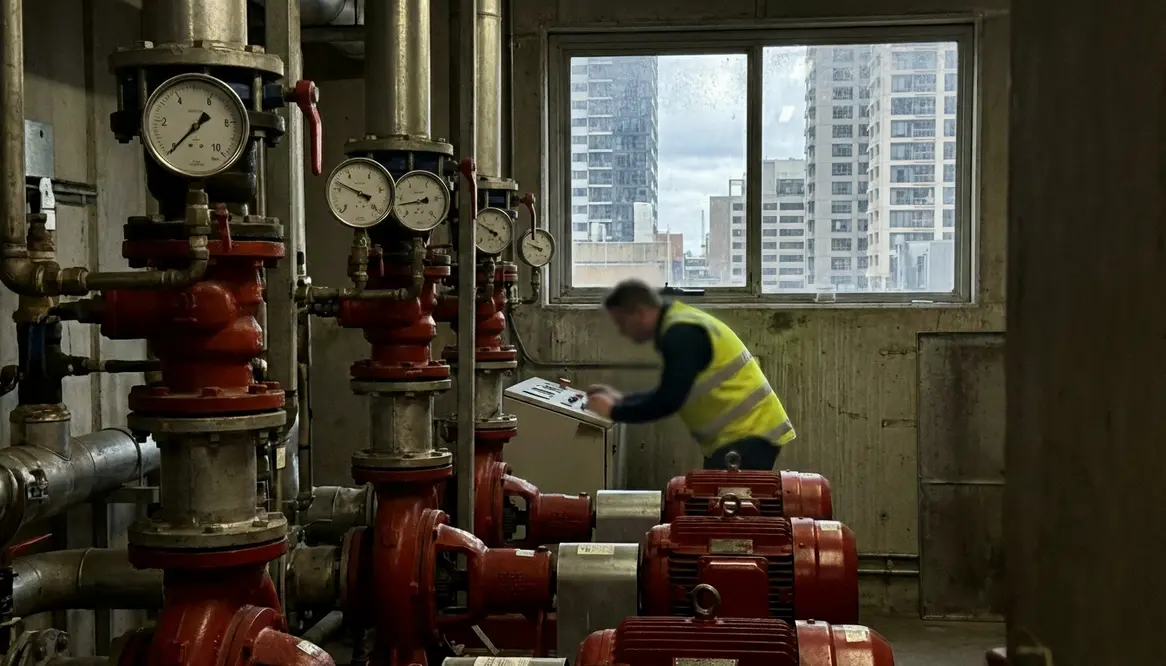
Fire Pump High Rise Pressure Issues Sydney Guide
A practical guide to understanding, diagnosing, and fixing real world pressure problems in Sydney high rise fire pump systems.
I have walked through more plant rooms than I can count, each one humming like a quiet engine room beneath a towering skyline. And here in Sydney, where high rise buildings stretch confidently into the sky, one issue tends to whisper before it roars: fire pump high rise pressure issues Sydney. It starts as a subtle drop. Then, before long, it becomes a serious risk. So today, I will guide you through what is really happening behind those pipes and panels, and how to bring pressure back where it belongs.
Understanding fire pump high rise pressure issues Sydney in tall buildings
First, let me say this clearly. High rise systems are not just scaled up versions of smaller setups. They are complex, layered systems that rely on precise pressure balancing. When pressure drops, it is rarely random. Instead, it usually points to a deeper imbalance.
In many Sydney commercial towers, I see three main culprits. Worn impellers that have lost their edge. Faulty pressure sensors feeding bad data. And control systems that behave like they missed their morning coffee. Each one can quietly reduce output until the system struggles to meet demand.
Moreover, elevation plays a ruthless role. The higher the building, the harder your pump works. Therefore, even a small inefficiency at ground level can turn into a big problem twenty floors up.
What causes low fire pump pressure in high rise systems?
If you are asking this, you are already ahead of the game. Because pressure loss is not just about the pump itself. It is about the entire system working together, or sometimes not.
Typical root causes in Sydney towers
I often trace the issue back to these factors:
- Mechanical wear that reduces pump performance over time
- Blocked or corroded pipework restricting flow
- Incorrect pump sizing for modern building demands
- Valve misalignment that quietly chokes the system
- Electrical inconsistencies affecting motor output
However, what makes Sydney unique is the mix of older infrastructure with newer compliance standards. As a result, systems that once passed inspection may now fall short under current expectations.
Step by step troubleshooting approach I rely on
Now, I do not believe in guesswork. I follow a methodical approach, because fire systems deserve nothing less.
Column One: Inspection
I begin with a full visual and operational check. I look for leaks, corrosion, and unusual vibration. Then I review system logs, because numbers rarely lie.
Column Two: Testing
Next, I run controlled pressure tests across multiple levels. This reveals whether the issue is localized or systemic. It is a bit like detective work, except the suspect is usually a pump that has seen better days.
After that, I examine control panels and sensor calibration. Because sometimes, the system is doing exactly what it is told, just not what it should be told.
Finally, I verify flow rates under load conditions. A pump that performs well at idle but fails under demand is like a gym membership that never gets used. Looks good on paper, not so helpful in reality.
How modern upgrades solve pressure problems efficiently
Once I identify the issue, the solution often lies in modernization. And no, this does not mean replacing everything like a blockbuster reboot gone wrong.
Instead, I focus on targeted upgrades. Variable speed drives, for example, allow pumps to adjust output dynamically. This improves efficiency while maintaining stable pressure. In addition, smart monitoring systems provide real time data, so facility managers can act before problems escalate.
Furthermore, retrofitting with high efficiency impellers can restore performance without a full system overhaul. It is a bit like giving your system a strong cup of coffee instead of a complete personality change.
If you are wrestling with fire pump high rise pressure issues Sydney wide, these kinds of targeted upgrades can often bridge the gap between yesterday’s design and today’s compliance expectations without tearing everything out.
Preventing recurring fire pump high rise pressure issues Sydney
Fixing the issue is only half the story. Keeping it fixed is where the real value lies.
Maintenance that actually prevents problems
I always recommend a structured maintenance plan tailored to commercial and industrial properties. This includes routine flow testing, sensor calibration, and periodic component replacement. Because waiting for failure is not a strategy. It is a gamble.
Why people matter as much as hardware
In addition, staff training plays a bigger role than most expect. When on site teams understand early warning signs, they can respond before a minor issue becomes a headline problem.
And let us be honest. No building manager wants to explain to stakeholders why the fire system decided to take a day off.
Consistent maintenance and trained eyes are the difference between ongoing fire pump high rise pressure issues Sydney facilities dread and a system that simply does its job quietly in the background.
FAQ
Below are quick answers to some of the most common questions building managers and owners ask when they start noticing fire pump high rise pressure issues Sydney side.
Bringing it all together
When I deal with fire pump systems in Sydney high rises, I see more than machinery. I see a system that protects lives, assets, and reputations. Low pressure is not just a technical issue. It is a signal that something deeper needs attention. If your building is showing signs of trouble, now is the time to act. Reach out, get a proper assessment, and make sure your system performs when it matters most. Because in this line of work, reliability is everything.
Whether you manage a single tower or a portfolio across the CBD, treating fire pump high rise pressure issues Sydney as a priority rather than an afterthought will always cost less than explaining a failure after the fact.