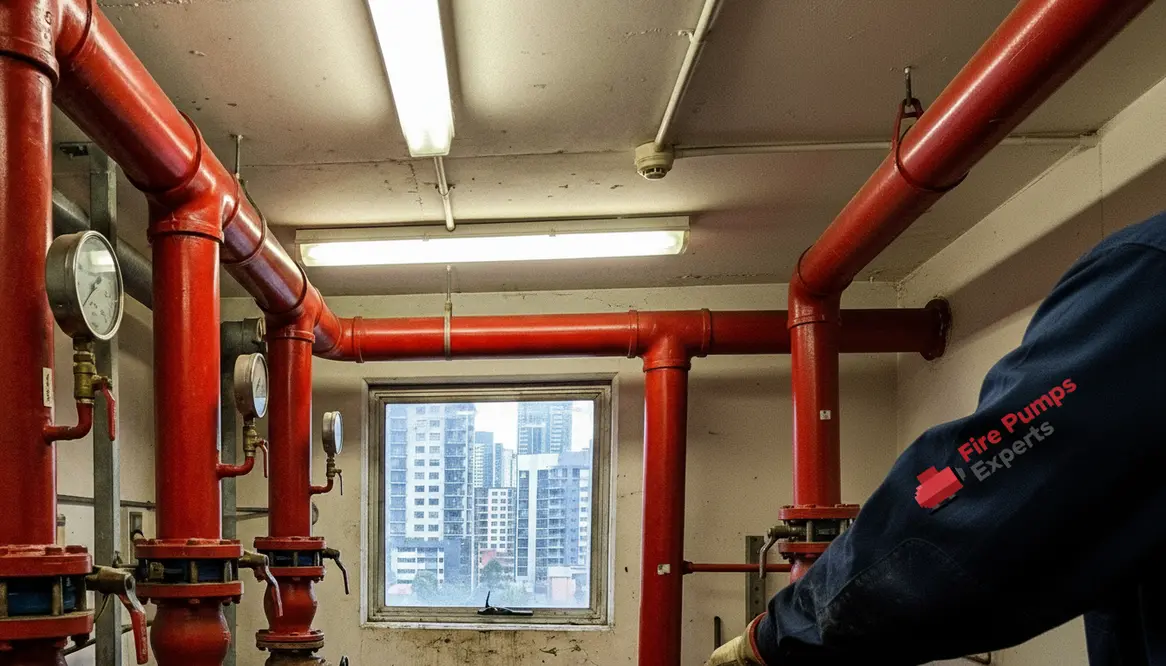
Fire Pump Multi Storey Repair Australia Guide
I have spent enough time around pump rooms to know this simple truth. When a fire system fails in a high rise, it does not whisper. It roars. That is why fire pump multi storey repair Australia is not just a maintenance task. It is a responsibility that sits somewhere between engineering and duty of care. In tall commercial and industrial buildings, every floor adds pressure, risk, and complexity. So today, I will walk you through what really matters, in a way that feels less like a manual and more like a conversation you would trust.
Why multi storey buildings demand a different repair mindset
First, let me say this. A fire pump in a single level warehouse is like a reliable ute. Strong, simple, and predictable. But in a multi storey building, that same system turns into something closer to a space launch. Pressure zones, vertical lift, and demand variability all stack up quickly.
Because of that, repairs are never isolated. When I assess a system, I look at how each component interacts across floors. A minor valve issue on level three can quietly sabotage pressure on level twenty. Therefore, every repair must consider the full hydraulic picture, not just the faulty part.
And yes, I have seen situations where someone fixes the pump but ignores the control logic. That is like replacing a car engine and forgetting the steering wheel. Technically impressive, but not very helpful.
What do I check first during fire pump repairs in high rise buildings?
I always start with the essentials. However, I do it in a sequence that respects how these systems behave under stress.
Core inspection priorities
- Pump performance under load, not just idle testing
- Pressure consistency across multiple levels
- Controller response times and failover behavior
- Condition of suction supply and potential restrictions
- Backup power integration, especially diesel systems
Then, I move deeper. I examine wear patterns, vibration signatures, and even the sound profile. A healthy pump has a rhythm. When that rhythm changes, it tells a story. And unlike Netflix, this is one story you do not want to binge watch during an emergency.
Fire pump multi storey repair Australia compliance realities
Now, let us talk compliance. Because in Australia, standards are not suggestions. They are the rulebook.
AS 1851 sets the tone for routine service, while AS 2419 governs installation and performance. However, in multi storey environments, interpretation matters just as much as adherence. I have seen buildings technically compliant but practically vulnerable.
So, when I approach fire pump multi storey repair Australia, I do not just tick boxes. I validate outcomes. Does the system deliver required pressure at the highest hydrant? Does it sustain flow under prolonged demand? If the answer is no, then compliance on paper means very little in practice.
Also, let us be honest. Auditors do not care about excuses. And neither does fire.
Common repair challenges unique to tall commercial properties
Every building has its personality. Some are cooperative. Others fight you every step of the way.
In high rise commercial and industrial facilities, I often deal with:
- Pressure drop inconsistencies caused by aging pipe networks
- Space constraints that make access feel like a game of Tetris
- Electrical integration issues between legacy and modern systems
- Corrosion in critical components due to environmental exposure
However, the real challenge is coordination. Repairs often require working around tenants, operations, and safety protocols. You cannot just shut everything down and hope for the best. Timing becomes as important as technical skill.
And yes, sometimes it feels like performing surgery while the patient insists on going for a jog.
How I approach efficient repairs without disrupting operations
Planning side
- Conduct detailed system mapping before any work
- Schedule repairs during low demand periods
- Coordinate with facility managers early
- Prepare contingency systems in advance
Execution side
- Use staged repair methods to maintain partial coverage
- Test in controlled increments
- Monitor live pressure data during adjustments
- Validate performance immediately after repair
Because of this approach, I reduce downtime while keeping safety intact. It is not flashy, but it works. And in this field, reliability beats drama every single time.
Long term reliability starts with smarter repair decisions
Here is something I always remind clients. A repair is not just about fixing what broke. It is about preventing what comes next.
So, I often recommend upgrading components during repair if they show early signs of failure. For example, replacing worn seals or outdated controllers can extend system life significantly. While it may seem like an extra cost upfront, it saves far more down the line.
Additionally, I encourage regular performance testing under real conditions. Not simulated, not theoretical. Real. Because fire pumps do not operate in theory. They operate when everything else is going wrong.
And frankly, that is not the time for surprises.
FAQ quick answers for busy facility managers
Final thoughts and next steps
If you manage or own a multi storey commercial or industrial building, do not wait for warning signs. Fire systems rarely fail loudly before they fail completely. Take action now, review your current setup, and invest in proper fire pump multi storey repair Australia practices. When the moment comes, your system should perform without hesitation. And if it does, you will never need to wonder what might have happened.