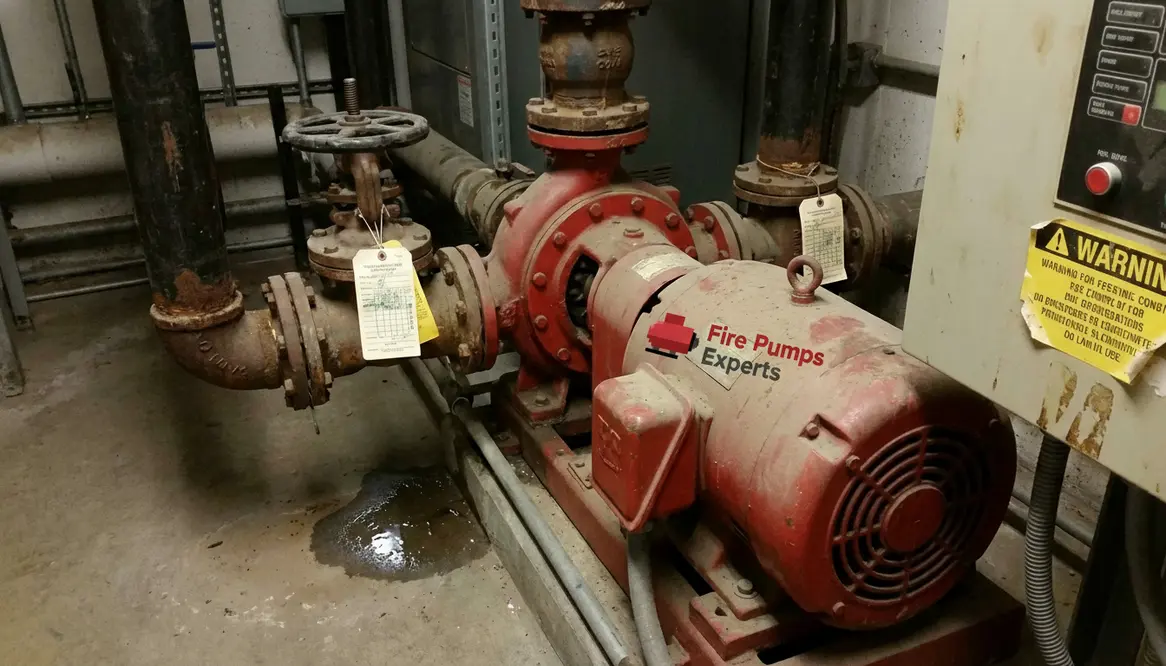
Fire Pump Maintenance Failure NSW Risks Explained
I have walked through enough plant rooms in New South Wales to know this truth: when a system fails, it rarely announces itself with a drumroll. It whispers first. And when it comes to fire pump maintenance failure NSW, those whispers can turn into sirens at the worst possible moment. In large commercial and industrial buildings, the fire pump is not just equipment. It is the last line between a controllable incident and a headline. So today, I will slow things down, take a steady look, and show you where the real risks hide when maintenance slips off the calendar.
What actually happens when a fire pump is not maintained?
Let me answer this plainly. Things degrade quietly, then all at once. First, seals wear. Then bearings lose their edge. Eventually, pressure drops at the exact moment you need it most. It is a bit like ignoring the oil light in your car. You can keep driving, sure. But you and I both know how that story ends.
Moreover, electrical faults creep in. Corrosion builds where moisture lingers. Diesel units develop fuel quality issues. Meanwhile, control panels may look fine on the outside, yet inside, components age like forgotten leftovers in the fridge. Not dangerous at first glance, but certainly not something you want to test during an emergency.
As a result, when a fire event occurs, the system may fail to start, fail to maintain pressure, or shut down mid operation. That is not bad luck. That is deferred maintenance collecting its dues.
Fire pump maintenance failure NSW in high demand environments
In large scale facilities, the demands on fire systems are far from casual. High rise buildings, manufacturing plants, and logistics hubs require consistent, reliable performance. Therefore, when maintenance is skipped, the risks multiply faster than a plot twist in a Christopher Nolan film.
On one hand, you have higher water demand across multiple zones. On the other, you have complex system dependencies. If one element fails, others follow. Consequently, a single neglected component can compromise an entire network.
Common Failure Points
- Pressure relief valves sticking
- Battery failures in diesel systems
- Controller faults and outdated firmware
- Blocked suction lines or strainers
Real World Consequences
- Delayed sprinkler activation
- Inadequate water pressure
- System shutdown during operation
- Increased property damage and downtime
In other words, neglect does not stay isolated. It spreads through the system like gossip in an office kitchen.
Why skipping scheduled servicing is a costly gamble
I understand the temptation. Maintenance can feel like an expense without immediate return. However, the math tells a different story. Preventative servicing costs far less than emergency repairs, system replacements, or worse, business interruption.
Additionally, compliance in NSW is not optional. Regulations require that fire protection systems remain operational at all times. Therefore, a failure tied to poor upkeep does not just risk safety. It invites legal and financial consequences.
And let me be honest for a moment. Explaining to stakeholders why a critical system failed due to skipped maintenance is about as comfortable as explaining spoilers to someone who has not seen the movie yet. It rarely ends well.
How I identify early warning signs before failure hits
I rely on patterns. Systems rarely fail without leaving clues. The key is knowing where to look and acting before those clues become problems.
First, I listen. Unusual vibration or noise often signals internal wear. Next, I check performance data. Pressure inconsistencies and delayed starts are early indicators. Then, I inspect components directly. Corrosion, leaks, and electrical wear do not hide forever.
Furthermore, routine testing under load reveals what idle systems conceal. A pump that starts fine during a basic test may struggle under real demand. That is why proper testing matters. It separates assumptions from reality.
Fire pump maintenance failure NSW and system reliability planning
Reliability is not accidental. It is built through consistent action. When I design a maintenance strategy, I think beyond checklists. I consider usage patterns, environmental conditions, and system age.
For instance, coastal facilities face higher corrosion risks. Industrial plants may expose systems to dust or chemical residue. Therefore, maintenance plans must adapt, not repeat blindly.
In addition, I always recommend documentation that tracks performance over time. This creates a clear picture of system health. As a result, decisions become proactive rather than reactive.
Think of it like tuning a musical instrument. You do not wait for it to sound terrible before adjusting it. You keep it in tune so it performs when it matters.
Understanding the real risk behind fire pump maintenance failure NSW
Fire pump maintenance failure NSW is not just a technical phrase that appears in reports. It is the uncomfortable label attached to incidents where simple, preventable work was not done. Behind every line item that says “pump failed to start” or “pressure not maintained” sits a trail of missed inspections, skipped tests, or assumptions that everything was probably fine.
If you manage property, operations, or safety in NSW, that phrase should act like a warning light on the dashboard. It signals risk to people, to assets, and to reputation. And unlike a movie plot twist, you do not want to experience it firsthand to understand its impact.
FAQ
Conclusion
If there is one thing I have learned, it is this: systems that protect lives deserve attention before they demand it. Fire pump failures are rarely sudden accidents. They are predictable outcomes. So take action now. Schedule inspections, commit to routine servicing, and treat your system like the critical asset it is. Because when the moment comes, reliability is not a bonus. It is everything.