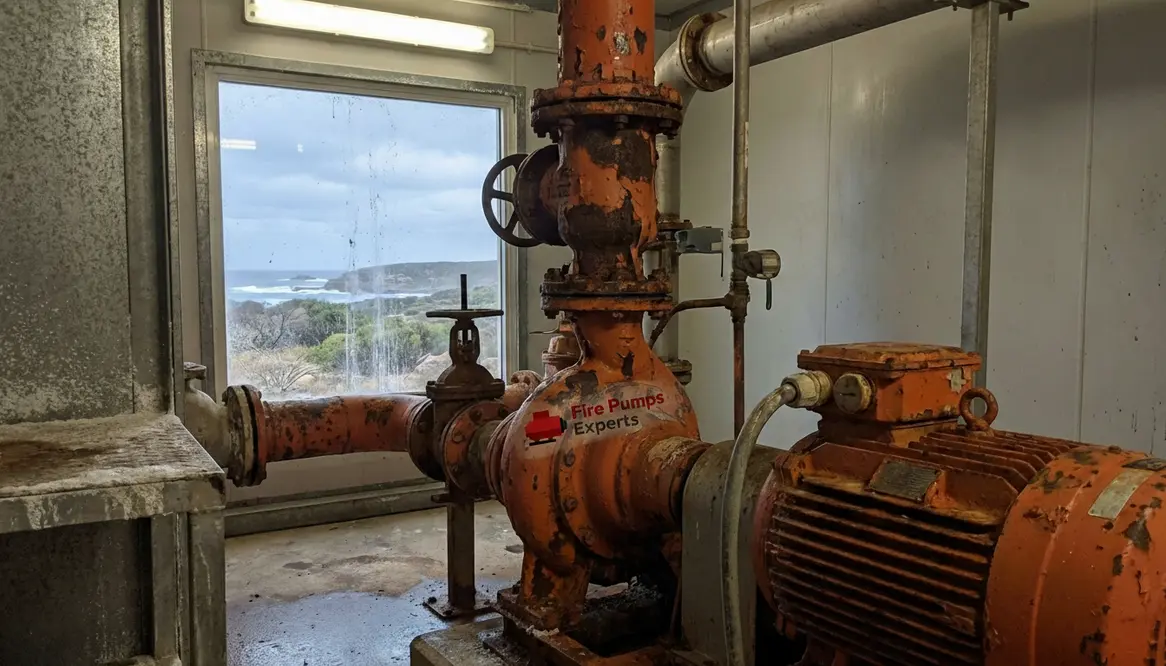
Fire Pump Corrosion Repair Australia Coastal Guide
I have spent years walking through plant rooms that hum like quiet engines of safety, and I can tell you this with absolute certainty: the ocean never sleeps, and neither does corrosion. In Australia, where salt rides the wind like an uninvited guest, fire systems face a unique battle. That is exactly where fire pump corrosion repair Australia becomes more than a service. It becomes a necessity for survival. In commercial towers, industrial facilities, and major property assets, the smallest layer of rust can quietly grow into a system wide failure. And trust me, corrosion is patient. It has better timing than a Hollywood villain.
Why coastal corrosion hits fire pumps harder than you think
Coastal air carries salt particles that cling to metal surfaces like they have signed a long term lease. As a result, fire pumps and their components begin to degrade from the outside in. I often see casings weakened, seals compromised, and electrical connections slowly eaten away.
Moreover, humidity accelerates the process. When salt and moisture combine, they create a perfect storm that speeds up oxidation. Therefore, even high grade materials can struggle without proper protection. In large facilities, this is not just wear and tear. It is a ticking clock.
And let us be honest, corrosion does not kick down the door dramatically. It sneaks in quietly, like that one coworker who never logs off but somehow causes all the problems.
How do I spot early signs of fire pump corrosion issues?
I always tell facility managers to trust their eyes and their instincts. Early detection saves serious money and downtime. First, I look for discoloration on pump casings and pipework. Then I check for flaking metal or small leaks around joints.
Additionally, unusual vibration or noise can signal internal damage. When corrosion weakens components, balance is lost. Consequently, performance drops long before total failure occurs.
If something feels off, it probably is. Fire systems are not known for subtle behavior. When they start whispering, it is time to listen.
fire pump corrosion repair Australia strategies that actually work
Repairing corrosion in coastal environments requires more than a quick fix. I approach it as a layered defense strategy. First, I remove affected materials and treat exposed surfaces thoroughly. Then I apply corrosion resistant coatings designed for marine conditions.
However, coating alone is not enough. I also upgrade vulnerable components to materials that can withstand salt exposure. Stainless steel and specialized alloys often make a significant difference.
Furthermore, I ensure that sealing systems are properly installed and maintained. Water intrusion accelerates corrosion, so controlling moisture is critical. In many cases, I also recommend environmental controls within pump rooms to reduce humidity.
It is a bit like sunscreen. One application helps, but consistent protection keeps the damage away.
Common failure points I encounter
- Impellers weakened by pitting
- Corroded electrical terminals
- Seal degradation causing leaks
- Pipe joints losing structural strength
Preventive upgrades I recommend
- Marine grade coatings
- Improved ventilation systems
- Routine inspection schedules
- Material upgrades for key components
Maintenance rhythms that keep systems alive longer
I believe consistency beats intensity every time. Regular inspections, even when everything seems fine, create a safety net. Therefore, I set maintenance intervals based on exposure levels rather than generic schedules.
For coastal facilities, I recommend more frequent checks. Salt buildup can occur faster than expected, especially after storms or high humidity periods. In addition, cleaning routines should be part of the plan. Removing salt deposits reduces long term damage.
Testing is equally important. Running the pump under load reveals issues that visual checks might miss. Think of it as a stress test, minus the gym membership.
fire pump corrosion repair Australia for large scale facilities
When I work with industrial sites or major commercial buildings, scale changes everything. Systems are larger, more complex, and far more critical. A single failure can disrupt operations, safety compliance, and business continuity.
Therefore, I focus on integrated solutions. This includes aligning repair strategies with compliance standards and operational needs. I also coordinate with facility teams to ensure minimal disruption during repairs.
In these environments, corrosion control becomes part of a bigger story. It is not just about fixing damage. It is about preserving the integrity of an entire safety system. That is why fire pump corrosion repair Australia planning is built into long term asset protection and regulatory compliance.
FAQ
Conclusion
Coastal environments will always challenge fire protection systems, but with the right approach, they do not have to win. I focus on proactive care, smart upgrades, and precise repair strategies that keep systems reliable when it matters most. If your facility faces salt exposure, now is the time to act. Protect your investment, maintain compliance, and ensure safety without compromise. Reach out today and keep your fire pump system ready for whatever comes next, and if you need a starting point, resources at https://www.firepumps.org can help guide your planning.