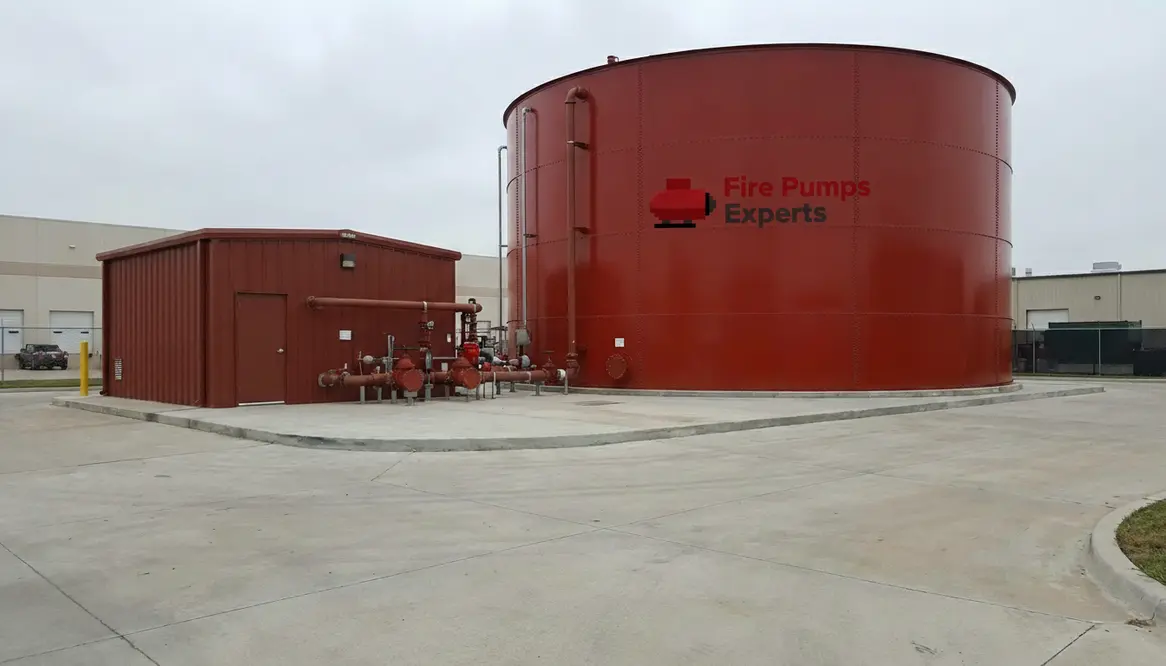
NFPA 22 Fire Pump Tank Systems Design Guide
Designing NFPA 22 fire pump tank systems is about more than storing water. It is about turning that water into reliable, high-pressure protection for the moments that actually count.
I have spent years around commercial fire protection systems, and if there is one thing I have learned, it is this. Water alone is not enough. It needs direction, pressure, and reliability. That is where NFPA 22 fire pump tank systems step into the spotlight. These systems connect stored water to fire pumps in a way that ensures buildings do not just have water, but have it ready at the exact moment it matters. In large industrial sites and commercial properties, that timing can mean the difference between a controlled incident and a headline no one wants to read.
Why these systems matter
Stored water is just potential. Pumps, tanks, and controls aligned with NFPA 22 turn that potential into dependable firefighting power for sprawling facilities and high-value assets.
Understanding the role of fire pumps in stored water systems
When I look at a water storage tank, I do not just see gallons of water sitting idle. I see potential energy waiting for a signal. However, without a fire pump, that potential stays locked in place. Fire pumps take stored water and deliver it with the pressure needed to feed sprinklers and standpipe systems across vast facilities.
Pumps and tanks as a team
Because of this, NFPA 22 sets expectations for how tanks and pumps work together. The standard does not treat them as separate pieces. Instead, it treats them as partners in a carefully choreographed dance. And yes, if one partner misses a step, the whole performance falls apart faster than a plot twist in a low budget action movie.
How do NFPA 22 fire pump tank systems ensure reliable water supply?
The answer is not magic. It is design discipline. NFPA 22 requires that tanks supplying fire pumps maintain specific water levels, outlet configurations, and structural integrity. This ensures that when a pump activates, it draws water without interruption.
Moreover, the tank must provide enough usable volume for the system demand. That means engineers calculate not just how much water sits in the tank, but how much can actually be delivered under real conditions. Air gaps, outlet elevations, and suction piping all play a role.
Redundancy and resilience
Additionally, redundancy becomes critical in large facilities. I have seen systems designed with multiple tanks or compartments, so if one section goes offline, the rest keep the system alive. It is a bit like having a backup generator, except here, the backup is made of steel and thousands of gallons of water.
Key design considerations for commercial and industrial facilities
Designing these systems is not about checking boxes. It is about anticipating failure points before they happen. In my experience, several factors always demand attention.
Core design factors
Water level control
The tank must maintain a minimum level at all times. If it drops too low, the pump risks cavitation, which is a fancy way of saying it starts to struggle and complain loudly.
Suction pipe configuration
The connection between tank and pump must allow smooth water flow. Poor design here can choke performance faster than a traffic jam at rush hour.
Seismic and structural stability
Especially in large properties, tanks must withstand environmental forces. Because when the ground moves, the system still needs to work.
Temperature control
In colder regions, freezing becomes a real threat. Heated tanks or insulation prevent the system from turning into a very large ice sculpture.
Practical layout insights for NFPA 22 fire pump tank systems
When I walk a site, layout tells me everything. A well planned system feels intuitive. A poorly planned one feels like someone assembled it in the dark.
Column One
Tank placement close to the fire pump reduces friction loss and improves response time. Also, elevation matters. Gravity can assist the pump when the tank sits higher, giving you a natural advantage.
Column Two
Access and maintenance space often get overlooked. However, technicians need room to inspect, test, and repair components. A system that cannot be maintained is a system that will eventually fail.
Meanwhile, clear separation from domestic water systems prevents contamination and ensures dedicated fire protection capacity. It is a simple idea, yet it saves a lot of trouble down the line.
Inspection and maintenance keep everything honest
Even the best design will not save a neglected system. That is just reality. Regular inspection ensures that tanks remain structurally sound and that pumps operate as expected.
For example, sediment buildup inside a tank can reduce effective capacity. Likewise, valves that are left unchecked may seize over time. Therefore, routine testing keeps surprises to a minimum.
Maintenance mindset
I often say that maintenance is like going to the dentist. No one gets excited about it, but skipping it leads to much bigger problems later. And unlike a cavity, a failed fire system affects more than just one person.
Why compliance matters beyond the code book
Following NFPA 22 is not just about passing inspections. It is about protecting assets, operations, and lives. In large scale facilities, downtime can cost millions. A properly designed fire pump and tank system helps prevent that scenario.
Furthermore, insurance providers often look closely at compliance. A strong system can mean better coverage terms, while a weak one raises red flags. So yes, doing it right pays off in more ways than one.
Where NFPA 22 fire pump tank systems fit in your strategy
In many facilities, NFPA 22 fire pump tank systems form the backbone of the fixed fire protection strategy. They support sprinklers, standpipes, and special hazard systems, providing both capacity and staying power when municipal supplies alone might fall short.
Integrating NFPA 22 fire pump tank systems with monitoring, testing programs, and clear procedures also simplifies coordination with insurers and authorities having jurisdiction, making audits and reviews far less stressful.
FAQ
Closing thoughts and next steps
When I think about fire protection, I think about readiness. Not theory, not paperwork, but real world performance. If your facility relies on stored water, then your fire pump and tank system must work as one. Now is the time to evaluate, upgrade, or refine your setup so it meets NFPA 22 expectations and performs when it counts. Reach out, take action, and make sure your system is ready before it is ever needed. To dig deeper into design fundamentals and best practices, resources like https://firepumps.org can help frame the technical side while you focus on making solid decisions for your facility.