Fire Pump Inspection and Testing Requirements Detroit
Fire Pump Inspection and Testing Requirements in Detroit: Common Deficiencies and Fixes
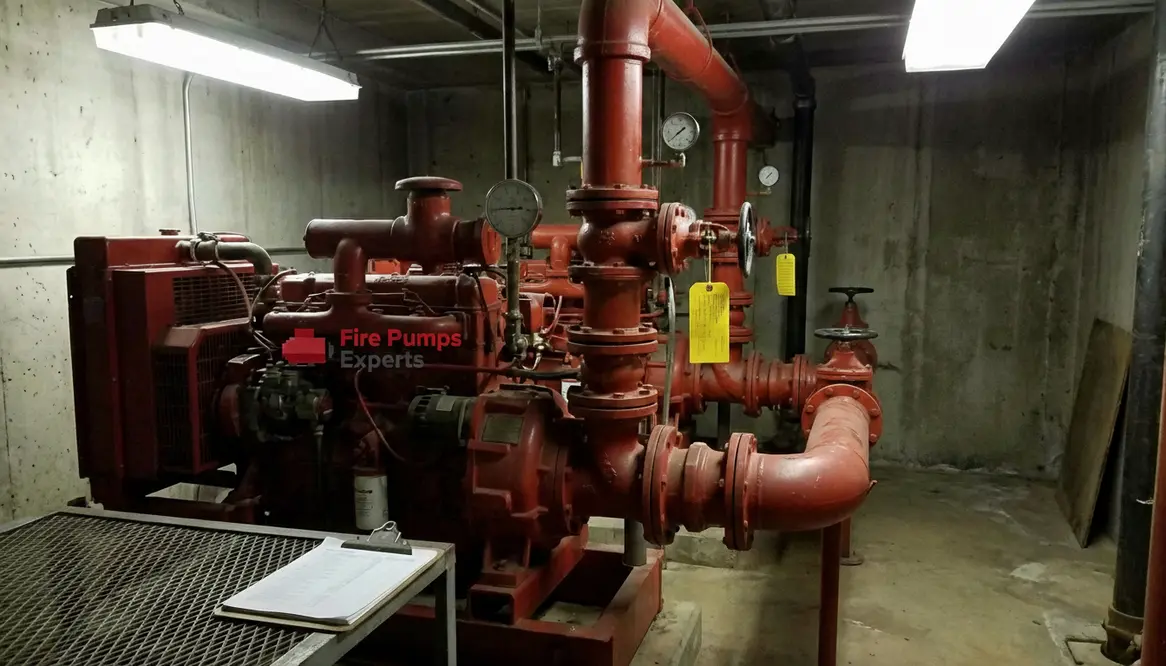
I have spent a good chunk of my career walking through mechanical rooms in massive commercial buildings. The kind of places where the hum of equipment sounds like the bass line in a jazz club and the fire pump sits quietly in the corner like a heavyweight champion waiting for the bell. When we talk about fire pump inspection and testing requirements detroit, we are not talking about paperwork for the sake of paperwork. We are talking about the one machine that decides whether a high rise office tower, industrial facility, or distribution center has water pressure when the worst day arrives.
Detroit has its own regulatory expectations layered on top of national codes. Because of that, facility managers often ask me what inspectors actually look for and why systems fail during testing. The answers are rarely mysterious. However, the consequences of ignoring them can be dramatic. So let us walk through the rules, the common problems, and the practical fixes that keep large commercial properties compliant and protected.
Understanding Fire Pump Inspection and Testing Requirements Detroit Building Owners Must Follow
First things first. Fire pumps exist for one reason. They boost water pressure when a sprinkler system or standpipe needs more power than the municipal supply can provide. In a Detroit high rise or industrial complex, that extra pressure is the difference between a controlled incident and a disaster that ends up on the evening news.
Most inspection and testing schedules follow NFPA 25 guidelines. However, Detroit authorities enforce these requirements closely for commercial and industrial properties. Therefore facility teams must treat routine testing as a core life safety operation rather than a maintenance afterthought.
Typical Inspection and Testing Intervals
Typical inspection intervals include:
- Weekly visual checks of pump condition, gauges, and controller status
- Monthly churn tests to confirm the pump starts and maintains pressure
- Annual flow tests to verify full operational performance
- Periodic controller inspections and electrical verification
Because many Detroit buildings rely on aging infrastructure, inspectors often focus on documentation and performance history. In other words, they want proof the system has been exercised regularly. Think of it like a gym membership for your fire protection system. If the pump only shows up once a year, nobody trusts it to lift the heavy weight.
Furthermore, inspectors check that tests simulate real conditions. A pump that runs smoothly with no flow might look impressive. Yet during a real emergency it must deliver massive water volume. That is why annual flow testing matters so much under fire pump inspection and testing requirements detroit.
Common Fire Pump Deficiencies Found in Large Detroit Facilities
Now we get to the part inspectors see all the time. Mechanical rooms reveal the truth quickly. Some pumps look pristine. Others look like they have been through a Rocky training montage without the inspiring music.
Several deficiencies appear again and again in commercial and industrial buildings.
- Pressure gauges that are damaged or not calibrated
- Controllers showing alarm or fault conditions
- Diesel fuel systems with contamination or low fuel
- Improper relief valve discharge piping
- Valves left partially closed after maintenance
- Missing test documentation or incomplete logs
Additionally, Detroit inspectors frequently find pumps that technically run but do not reach required pressure levels. That issue usually appears during the annual flow test. While the pump starts like a hero, the pressure curve tells a different story.
Another common issue involves suction supply problems. If the incoming water supply cannot support the pump demand, performance drops quickly. Consequently, the entire system fails its intended design capacity.
And yes, sometimes the deficiency is painfully simple. Someone shut off a valve months ago and forgot to reopen it. I wish I were joking. However, every experienced inspector has seen that movie before.
Quick Comparison: Typical Issues vs Practical Fixes
Frequent Deficiencies
- Low discharge pressure during flow testing
- Controller battery failure
- Air trapped in sensing lines
- Fuel quality issues in diesel pumps
- Improper pump room temperature
Common Solutions
- Recalibrate gauges and verify suction supply
- Replace batteries and test automatic start
- Bleed sensing lines and verify pressure switches
- Flush fuel system and test transfer pump
- Install proper heating or ventilation controls
Notice something important. Most problems have straightforward fixes when caught early. Unfortunately, when testing gets skipped, small issues stack up until the system fails an inspection.
Why Annual Flow Testing Matters for Detroit High Rise and Industrial Properties
If weekly inspections are the routine checkup, annual flow testing is the stress test. During this process we push the pump through multiple performance points while measuring pressure and flow. The goal is simple. Confirm the pump delivers what its design promised years ago.
Large commercial buildings depend heavily on this test. Warehouses, hospitals, manufacturing plants, and high rise offices often require strong water delivery across massive sprinkler networks.
Key Performance Markers During Flow Testing
During these tests we verify three main performance markers.
- Churn pressure with zero flow
- Rated flow performance
- Peak flow capacity beyond the rated point
When these numbers drift outside acceptable ranges, inspectors flag the system under fire pump inspection and testing requirements detroit. Sometimes the cause is wear inside the pump. Other times the issue sits in the piping network or water supply.
Interestingly, many pumps fail simply because they have not run under real load conditions in years. Equipment likes to move. When it sits idle too long, seals stiffen, sensors drift, and controllers forget their job. It is like expecting someone to run a marathon after binge watching every season of The Office on the couch.
How I Approach Compliance With Fire Pump Inspection and Testing Requirements Detroit Facilities Face
When I work with facility teams, I focus on three priorities. Documentation, routine testing, and early correction. That combination keeps most properties well ahead of inspection issues.
Documentation That Tells a Clear Story
First, I make sure every weekly and monthly test is documented clearly. Detroit inspectors appreciate detailed records because they show a building takes life safety seriously. Thorough logs also make it easier to compare your in-house efforts with work completed by outside specialists or a dedicated fire pump service partner like the team at Kord Fire Protection.
Treating Pump Rooms as Critical Infrastructure
Second, I encourage property teams to treat pump rooms like critical infrastructure. These rooms should stay clean, well lit, and easy to access. A fire pump buried behind storage boxes is not exactly confidence inspiring.
Correcting Small Issues Before They Become Big Problems
Third, we address small issues immediately. A faulty gauge today becomes a failed inspection tomorrow. Therefore fast corrective action protects both compliance and operational reliability.
In many cases, proactive service programs catch problems long before the annual test. That strategy helps major commercial buildings maintain consistent compliance with fire pump inspection and testing requirements detroit while avoiding emergency repairs.
And let me tell you something. Emergency fire pump repairs at 2 AM are about as fun as assembling furniture with missing instructions.
What Detroit Inspectors Look For During Fire Pump Evaluations
Facility managers often ask what inspectors actually observe during site visits. While every situation differs slightly, several factors almost always receive attention.
- Verification that weekly and monthly inspections occurred
- Controller operation including alarms and transfer switches
- Proper relief valve and discharge configuration
- Operational readiness of diesel or electric drive systems
- Documentation of annual flow testing results
Inspectors also confirm that pump rooms meet environmental requirements. For example, diesel engines require proper ventilation and temperature control. Without those conditions, even a well maintained pump can fail during operation.
Ultimately the inspection confirms that the system will work immediately when needed. Not tomorrow. Not after a repair call. Right now.
FAQ About Fire Pump Inspections in Detroit
These quick answers help clarify how fire pump inspection and testing requirements detroit shape day-to-day expectations for large commercial and industrial properties.
Conclusion
When a fire emergency hits a commercial or industrial property, the fire pump becomes the quiet hero behind the walls. Meeting fire pump inspection and testing requirements detroit is not just about passing inspections. It is about making sure the system performs instantly when people and property depend on it most. If your facility needs expert testing, detailed inspections, or corrective service, now is the time to bring experienced professionals into the pump room and make sure everything runs exactly as it should.