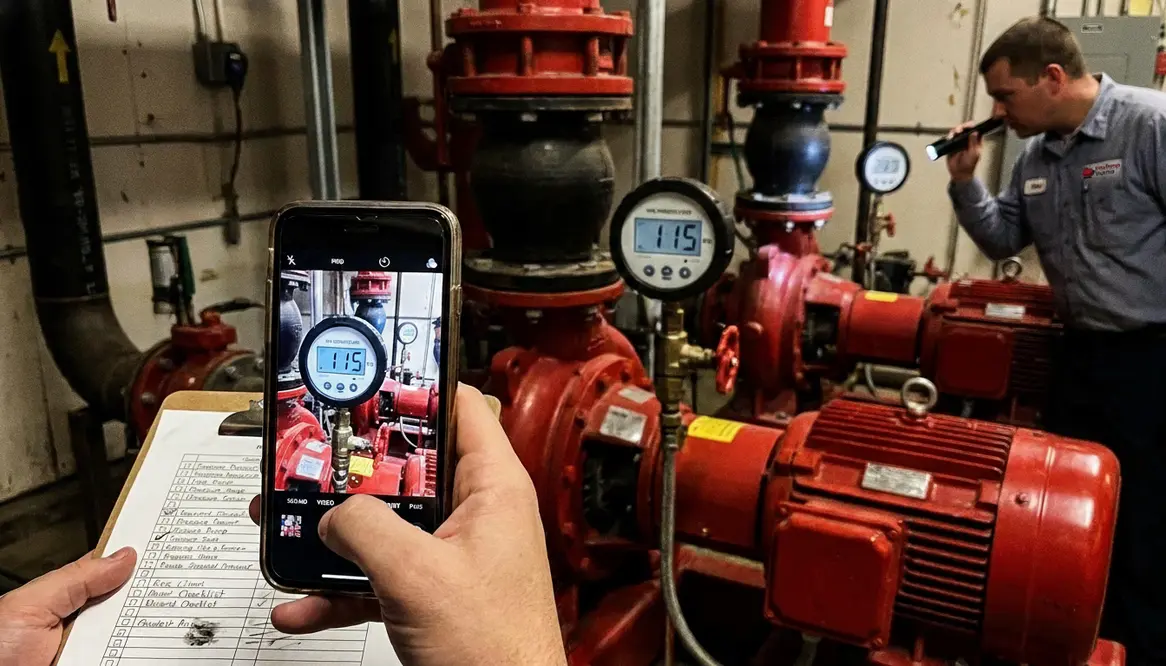
Fire Pump Inspection and Testing Trends for Review
When I look at fire pump inspection, fire pump testing, and fire pump performance, I do not treat the numbers like decoration on a dashboard. I treat them like a warning light with a very loud voice. For commercial and industrial facilities, plus major property buildings, historical results tell a story. Sometimes that story says, “all is well.” Other times, it says, “call an engineer before this turns into a very expensive headline.”
In this article, I will show when past test results should trigger an engineering review, what patterns matter most, and how I read the trend lines before they turn into trouble. The goal is simple: keep the system ready, keep the building protected, and avoid that awkward moment when the pump acts like it forgot its job.
When historical results deserve a second look
I call for an engineering review when the same issue shows up more than once, even if each result looks only slightly off. A small drop in pressure may seem harmless at first. However, if the curve keeps slipping over several tests, the pump is telling you something. I also pay close attention after any repair, water source change, power issue, or controller work. Those events can change how the system behaves, and they often change it in ways you do not catch with one quick glance.
Here are the biggest red flags I watch for:
Repeated pressure loss
If discharge pressure keeps falling across multiple tests, I want an engineer to review the cause.
Flow that no longer matches the curve
When actual flow drifts far from expected results, the pump may have wear, blockage, or setup problems.
Start time or speed issues
If the pump starts late, runs rough, or does not reach speed, the control side may need deeper review.
Noticeable vibration, heat, or noise
These signs often point to mechanical trouble long before failure hits.
What trends mean in fire pump performance
I do not make decisions from one test alone unless the result is severe. Instead, I compare the results over time. That is where the truth lives. A single low reading might come from a temporary condition, such as supply pressure changes or test setup variation. But a pattern of decline tells a different story.
For example, if a diesel fire pump slowly loses output year after year, I ask whether suction conditions, engine health, fuel quality, or impeller wear are behind it. Likewise, if an electric pump runs well on one test but struggles on another, I look at power quality, controller behavior, and motor condition. In other words, I do not blame the pump for being dramatic unless the evidence earns it.
When the curve itself is the clue
A pump curve should not wander around like it is searching for a new career. If historical results show that the pump no longer meets the expected curve, I treat that as a serious signal. The issue may involve wear, blockage, air leaks, valve problems, or a change in system demand. In some cases, the pump still starts and runs, but it cannot deliver the output the building needs.
That is exactly when engineering review matters. A good engineer can compare the test data with the original design, check whether the system still fits the building needs, and decide whether the problem is mechanical, hydraulic, or electrical. Without that step, people often keep “fixing” the symptom while the real issue sits in the corner like a plot twist in a season finale.
Questions I ask before I call for review
I use a simple filter before I escalate:
- Did the result change more than once?
- Did the change happen after repair, renovation, or utility work?
- Did the pump still meet required flow and pressure?
- Did the test show vibration, delay, or unusual sound?
- Did the system behave the same way under similar conditions?
If I answer yes to two or more of those, I stop treating it as a minor note. Then I move it into engineering territory.
How I use historical data to protect major facilities
For commercial and industrial properties, the history matters because the risk is bigger. These systems protect people, equipment, inventory, and business continuity. A weak result today can become a shutdown tomorrow. That is why I compare old reports, maintenance notes, and site changes before I accept “it still runs” as a real answer. Running is nice. Performing is better.
I also link pump review with the broader fire protection picture. If a site already works with a Australian fire sprinkler service team or a building safety partner, then the pump data should sit inside that same review path. The pump does not live alone in the universe. It supports the whole system.
Why local expertise helps in los angeles fire pump review
When I need a deeper look, I want someone who understands both code and site conditions. For facilities in Southern California, I use a los angeles fire pump service resource as a reference point because local knowledge matters. Water supply, building size, power setup, and site use all shape the answer. A national rule book is useful, but a building still has to live in the real world, where pumps face heat, load, and the occasional surprise that nobody invited.
FAQ
Conclusion
If historical results show a trend, do not shrug and hope the pump gets wiser with age. I recommend an engineering review when performance drops, curve data drifts, or repeat issues keep showing up after maintenance. That one step can protect the building, the people inside it, and the budget from a much bigger problem later. If your past results raise doubts, act now, review the data, and bring in the right expertise before a small warning becomes a costly failure.