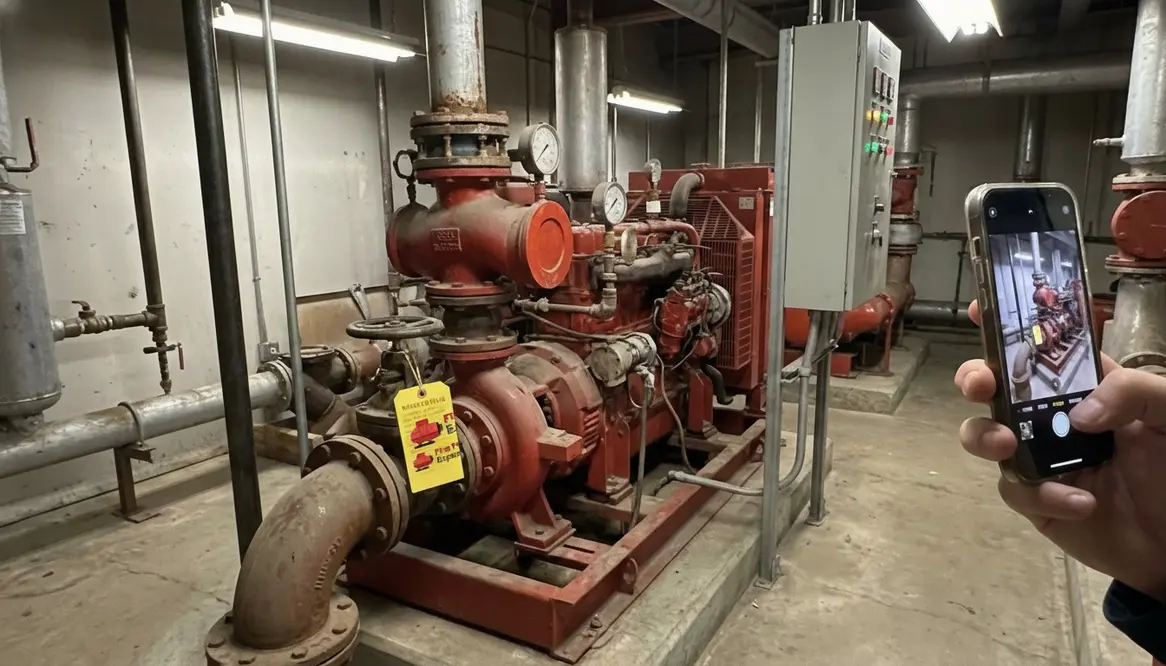
Fire Pump Lifespan: How Long Do Fire Pumps Last?
Fire Pump Lifecycle: How Long Do Fire Pumps Last?
I’ve seen fire pumps treated like the quiet heroes of a building. They sit there, year after year, waiting for the moment nobody wants. And yet, the question always comes back to the same thing: what is the fire pump lifespan, really? In commercial and industrial buildings, and in major property facilities, the answer is usually not a simple number. It depends on use, care, water quality, testing, and how well the system was built in the first place. Still, when I look at the full picture, I can give you a clear sense of how long these systems last and what you can do to keep them ready for the day they matter most.
In plain terms, a fire pump can serve for decades. However, parts within the system may need attention much sooner. That is where many owners get caught. They hear “long life” and assume the pump can run forever, which is about as wise as trusting a laptop battery from 2012 to power a modern city. It may work, but I would not bet the building on it.
What Affects the Fire Pump Lifespan?
The answer starts with usage. A pump in a busy industrial site that tests often and faces tough water conditions will age faster than one in a cleaner, lighter duty environment. Still, even a pump that rarely runs can wear down if no one inspects it. Time alone does not make a pump weak, but neglect does a fine job of it.
Several things shape the service life:
Longer life
- Regular testing
- Clean water supply
- Proper installation
- Timely repairs
Shorter life
- Corrosion
- Poor maintenance
- Wrong sizing
- Repeated overheating
As you can see, the pump is only part of the story. The full system matters. So does the team watching over it. A strong maintenance plan can make the difference between a unit that serves for 20 years and one that starts acting like it wants to retire after 10. A thoughtful look at fire pump lifespan should always include the people and practices around the equipment, not just the hardware itself.
How Long Do Fire Pumps Last in Commercial and Industrial Buildings?
Most fire pumps in major properties last about 20 to 30 years, and some last even longer with solid care. However, that does not mean the pump stays in peak shape the whole time. I think of it like a classic film star. The face may still be familiar, but the wardrobe, lighting, and makeup need help to keep the show going.
Also, the type of pump matters. Diesel pumps often need more attention because engines, fuel systems, and batteries bring extra wear points. Electric pumps can stay steady for a long time, but they still need checks on motors, seals, and controls. So, while the base pump may last for decades, the supporting parts may ask for replacement far earlier. That is normal, not a red flag.
If you sketch out the typical fire pump lifespan for a commercial or industrial building, it usually looks like this: a long middle stretch of reliable service, bookended by an early period of adjustments and a later period of more frequent repairs and part replacements. The better the maintenance in the middle, the smoother those bookends tend to be.
Signs Your Pump Is Aging Faster Than Expected
Even a good system sends signals before it fails. The trick is noticing them before they turn into a crisis. I always tell owners to watch for changes in pressure, odd sounds, vibration, leaks, rust, or delays during startup. If the pump sounds like it is grinding through an early Monday morning, it probably needs attention.
Other warning signs include:
- Frequent test failures
- Visible corrosion on casings or fittings
- Unstable motor or engine performance
- Seal leaks or shaft wear
- Control trouble during weekly or monthly tests
These signs do not always mean the pump is near the end. However, they do mean the clock is moving faster. When I see more than one of these issues at once, I treat it as a clear call for inspection and planning. Ignoring them is a quick way to shrink the practical fire pump lifespan and trade calm, scheduled work for frantic, after-hours repairs.
How I Extend Fire Pump Life With Smart Maintenance
Good maintenance does not need drama. In fact, the best plans are steady, simple, and consistent. I focus on routine checks, full flow tests, clean rooms, correct alignment, and fast repairs. Small issues grow quietly. Then one day, they show up like a surprise guest at the worst possible time.
For commercial and industrial sites, I also look at the environment around the pump. Heat, dust, moisture, and vibration all add stress. So, I make sure the space stays clean and easy to access. I also confirm that logs stay current. A missing log may seem harmless, but it can hide patterns that matter.
For a deeper look at care standards and system support, I recommend reviewing fire pump maintenance guidance for commercial facilities from trusted industry sources, including https://firepumps.org. It helps owners stay aligned with real world service needs for major properties and supports a healthier fire pump lifespan across a portfolio of buildings.
When Should a Fire Pump Be Replaced?
I do not rush to replace a pump just because it has a few gray hairs. Still, replacement makes sense when repairs become frequent, parts get hard to find, or performance starts slipping below safe levels. If the system cannot meet demand, age becomes less important than reliability. And reliability is the whole point. Nobody wants a fire pump that “usually works.” That is not a comfort. That is a plot twist.
Replacement also deserves a close look when the building changes. Expansion, higher demand, or code updates may call for a new system even if the old pump still runs. In that case, I treat replacement as protection, not expense. A smart upgrade can serve the facility well for years ahead and reset the fire pump lifespan for the entire fire protection system.
Common Questions About Fire Pump Lifespan
A few questions show up in nearly every discussion about how long fire pumps last. They are simple to ask, but the answers matter when you are planning budgets and upgrades for a large facility.
Conclusion
If you manage a commercial or industrial facility, I recommend treating your fire pump like a critical asset, not background equipment. Track its condition, fix small issues early, and plan before failure forces your hand. The right care can stretch the fire pump lifespan and protect your building with confidence. If you want fewer surprises and stronger reliability, now is the time to review your system, inspect your records, and take the next step with a trusted fire pump partner.