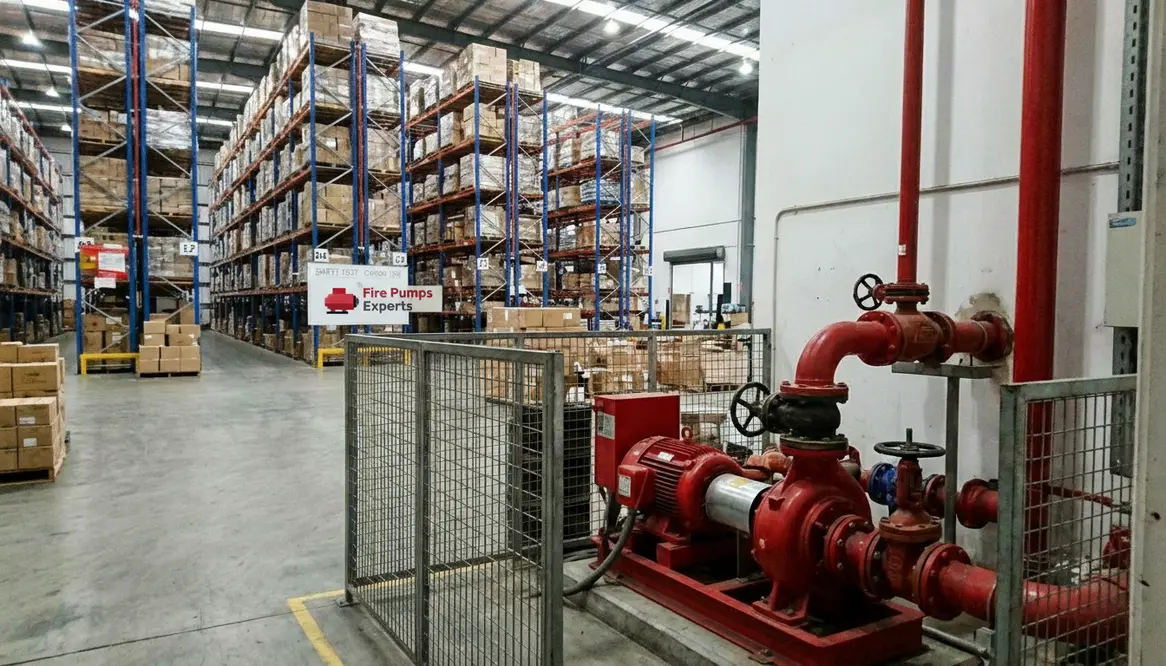
Fire Pump Logistics Hub Corona CA Guide
A practical walkthrough of choosing and managing fire pumps for large, fast-moving logistics operations in Corona, California.
I have spent enough time around large scale facilities to know one thing for certain. When it comes to safety, there is no room for guesswork. In a place like a fire pump logistics hub Corona CA, where goods move fast and buildings stretch wide, the fire protection system must be just as sharp. That starts with selecting the right fire pump. And trust me, choosing one is less like picking a lightbulb and more like casting the right actor for a blockbuster. Get it wrong, and the whole production falls apart.
Logistics hubs stack risk vertically and horizontally: tall racks, long hose runs, and varied commodities. Your fire pump has to be sized for that reality, not for a tidy spreadsheet.
Think of the fire pump logistics hub Corona CA as the action set where the script is written by codes, water supply, and building layout. The closer everything lines up, the less likely you are to end up with a sequel nobody wants.
Understanding Fire Pump Demands in Large Logistics Facilities
First, I look at the nature of the building. Logistics hubs are not your average structures. They are massive, often with high ceilings, dense storage racks, and constant activity. Because of this, fire risk behaves differently.
So, I focus on flow and pressure requirements right away. A standard system simply will not cut it. Instead, I evaluate how quickly water must move and how far it must travel. Additionally, I consider sprinkler density, storage height, and commodity type. After all, cardboard and plastics burn very differently than steel parts.
And yes, I always remind clients that fire does not wait for approval. It moves fast, like a Fast and Furious chase scene, except there is no stunt double to save the day.
Why logistics risk looks different
- Long pipe runs that demand higher pressure.
- Rack storage pushing sprinklers higher and deeper into the building.
- Mixed commodities, from idle pallets to plastics and packaged goods.
- Constant movement, with forklifts and conveyors complicating layouts.
How Do I Choose the Right Fire Pump for a Corona Logistics Hub?
I start with one simple rule. Match the pump to the risk, not the budget wish list.
Then, I break it down into key factors:
- Flow Rate which determines how much water moves through the system
- Pressure Requirements to ensure coverage reaches every corner
- Power Source whether electric or diesel based on reliability needs
- System Compatibility making sure it integrates with sprinklers and standpipes
However, what makes Corona facilities unique is the blend of modern builds and retrofitted warehouses. Therefore, I often need to adapt solutions rather than apply a one size fits all model.
And between you and me, if someone suggests cutting corners here, I politely remind them that water pressure is not the place for optimism.
Corona-specific considerations
In a fire pump logistics hub Corona CA, I pay extra attention to the age of the building, municipal water reliability, and how often floor layouts change. Each of these can quietly rewrite your hydraulic story long before anyone pulls a fire alarm.
fire pump logistics hub Corona CA Compliance and Code Alignment
Now we get into the part that keeps inspectors very happy. Codes and standards.
I always align fire pump selection with NFPA standards and local California regulations. These are not suggestions. They are requirements. More importantly, they are designed to protect both property and lives.
In Corona, local authorities pay close attention to system performance. So, I make sure every component meets compliance before installation even begins. Additionally, I factor in seismic considerations, because California likes to keep things interesting.
As a result, a properly selected pump not only performs well but also passes inspections without drama. And in my line of work, no drama is the best kind of drama.
Codes that shape your decisions
- NFPA 20 for fire pump installation.
- NFPA 13 and related standards for sprinkler design.
- California Building Code and Fire Code requirements.
- Local amendments unique to Riverside County and Corona.
Key Components That Influence Long Term Performance
Choosing a fire pump is only part of the story. What really matters is how it performs over time.
Reliability Factors
- Durable pump materials
- Consistent power supply
- Backup systems in place
- Proper installation practices
Maintenance Considerations
- Routine testing schedules
- Easy access for inspections
- Availability of replacement parts
- Clear system documentation
Because of this, I always think beyond installation day. A fire pump should not just work once. It should work every time, without hesitation. Like a seasoned actor hitting their mark, again and again.
In a busy fire pump logistics hub Corona CA, that reliability keeps insurance carriers calm, safety managers sleeping at night, and operations teams free to worry about everything else that can go wrong in a 24/7 warehouse.
fire pump logistics hub Corona CA Challenges I Plan For
Every location has its quirks, and Corona is no exception. I often deal with water supply variability, which can impact pump performance. Therefore, I carefully evaluate municipal supply and consider booster solutions when needed.
Additionally, large logistics hubs tend to expand over time. So, I plan for future capacity. It is much easier to scale a system when you prepare for it upfront.
Another challenge is energy reliability. In some cases, I recommend diesel pumps as a backup. Not because electric is unreliable, but because redundancy is peace of mind. And peace of mind, in this business, is priceless.
Planning beyond day one
- Designing for future racking height increases.
- Allowing capacity for added square footage.
- Coordinating with utility providers on long-term water reliability.
- Building in access for future pump upgrades or replacements.
Common Mistakes I Avoid When Selecting Fire Pumps
I have seen enough missteps to write a sitcom, but I will keep it brief.
- Undersizing the pump, which leads to poor coverage
- Ignoring future expansion needs
- Overlooking maintenance access
- Choosing based on cost instead of performance
However, the biggest mistake is treating fire protection as an afterthought. It should be part of the initial design, not something added at the end like a last minute plot twist.
How to keep your project out of the blooper reel
Bring your fire protection engineer in early, especially for a fire pump logistics hub Corona CA where every foot of pipe and every change in rack layout shifts the hydraulic balance. It is far easier to adjust in design than to retrofit a pump room that is already too small and too hot.
FAQ About Fire Pump Selection for Logistics Facilities
What type of fire pump is best for large logistics hubs?
Electric or diesel pumps both work well, depending on power reliability and backup needs.
How do I determine the right pump size?
Calculate required flow and pressure based on building size, storage type, and sprinkler design.
Are fire pumps required by code?
Yes, when water supply cannot meet system demand, codes require a fire pump.
How often should fire pumps be tested?
Weekly or monthly testing is typical, with annual performance evaluations.
Can I upgrade an existing system?
Yes, but it requires careful planning to ensure compatibility and compliance.
For deeper technical references and design guidance on logistics facilities, resources at https://firepumps.org can help frame the requirements before you finalize your pump selection.
Conclusion
When I approach fire pump selection, I treat it like a long term investment in safety and reliability. The right system protects people, property, and operations without compromise. If you are managing or developing a logistics facility, now is the time to get it right. Connect with a trusted expert who understands large scale commercial systems and let us build a solution that performs when it matters most.