Fire Pump Maintenance for NJ Critical Infrastructure
I have spent enough time around commercial and industrial facilities in New Jersey to know one thing for certain. Fire pumps are not glamorous, but they are the quiet backbone of critical infrastructure fire protection. When everything else fails, they step in without asking for applause. And yet, too often, they are treated like that office printer everyone ignores until it jams five minutes before a deadline.
So I take a different approach. I treat fire pumps like trusted partners. With the right attention, they stay ready through icy winters, humid summers, and everything in between. Let me walk you through how I keep them prepared year round without turning the process into a snooze fest.
Understanding Critical Infrastructure Fire Protection in New Jersey Facilities
In my experience, every major building has its own rhythm. Hospitals never sleep, data centers hum like a sci fi movie set, and industrial plants move with precision. However, they all rely on one thing. A dependable fire pump system.
Because New Jersey weather shifts quickly, I always plan for extremes. Cold snaps can choke a system, while summer heat can stress components. Therefore, I focus on consistency. A well maintained pump does not care if it is January or July. It just performs.
Moreover, local codes are strict for a reason. They demand reliability, and I respect that. When I maintain systems tied to essential facility fire safety, I am not just checking boxes. I am protecting operations that people depend on every single day.
In facilities tied to transportation hubs, energy, and healthcare, critical infrastructure fire protection is more than a phrase on a spec sheet. It is the standard that keeps people working, servers online, and essential services running when something goes wrong.
How I Keep My Fire Pump Ready in Every Season
I keep things simple but disciplined. First, I run weekly churn tests. It sounds technical, but it is really just making sure the pump starts and runs smoothly. Think of it like starting your car in winter. You do not wait for a road trip to find out the battery is dead.
Next, I monitor pressure readings closely. If something feels off, I act fast. Small changes often signal bigger issues ahead. And honestly, I would rather fix a minor hiccup than deal with a full system failure during an emergency.
Then, I stay ahead of seasonal risks. Before winter, I check for freeze protection. Before summer, I look at ventilation and cooling. It is a bit like preparing for a New Jersey beach day. You bring sunscreen, but maybe also a hoodie because weather here loves plot twists.
To keep that level of readiness, I lean on a mindset that treats critical infrastructure fire protection as a living system, not a one time project. Pumps, controllers, jockey pumps, and test headers all play their roles, and my job is to make sure none of them are phoning it in.
If you are looking for a deeper technical overview of inspection and testing, a solid resource is this guide to fire pump servicing and reliability. It lines up well with the field habits I rely on every week.
Daily and Weekly Habits That Prevent Big Failures
Consistency beats heroics every time. I rely on a set of habits that keep systems stable and predictable.
Daily Focus
Check pump room temperature
Look for leaks or unusual sounds
Confirm controller power status
Weekly Focus
Run churn test
Inspect fuel levels for diesel units
Review system logs
By sticking to these routines, I avoid surprises. And in this line of work, surprises are rarely the fun kind.
These simple checks also support a larger strategy for critical infrastructure fire protection. Instead of chasing alarms and emergencies, I let patterns tell me when a bearing is getting loud, a valve is getting lazy, or a controller is sending subtle hints that it would like some attention.
Why Critical Infrastructure Fire Protection Maintenance Cannot Be Skipped
I have seen what happens when maintenance gets pushed aside. At first, nothing seems wrong. Then one day, the system hesitates. That hesitation can cost more than money. It can disrupt entire operations.
So I treat maintenance like a non negotiable meeting. It stays on the calendar. In fact, I coordinate with facility managers to ensure inspections align with operational schedules. This way, we protect both safety and productivity.
Also, I keep detailed records. Not because I love paperwork, although I will admit I have seen worse hobbies, but because documentation tells a story. It shows patterns, highlights risks, and keeps everyone accountable.
When you are responsible for critical infrastructure fire protection, you cannot afford to rely on “it seemed fine last year.” Logs, inspection reports, deficiency lists, and service tags create a timeline you can actually trust when you have to answer the question: “Are we ready?”
What Signs Tell Me a Fire Pump Needs Immediate Attention?
I trust my eyes and ears. If a pump starts making unusual noise, I investigate right away. Likewise, inconsistent pressure readings are a red flag I never ignore.
Another clue is delayed startup. A fire pump should respond instantly. If it hesitates, something is wrong. And finally, I watch for corrosion or wear. These systems live tough lives, so I stay alert to any physical changes.
Signals I Never Ignore
New vibration or rattling that was not there last week
Controllers that trip, reset, or act “glitchy” under normal conditions
Visible leaks at packing, flanges, or relief valves
Discoloration, rust, or flaking on key components
When I catch these signs early, I can fix issues before they escalate. It is the difference between a quick repair and a major disruption.
FAQ: Fire Pump Readiness for Commercial and Industrial Facilities
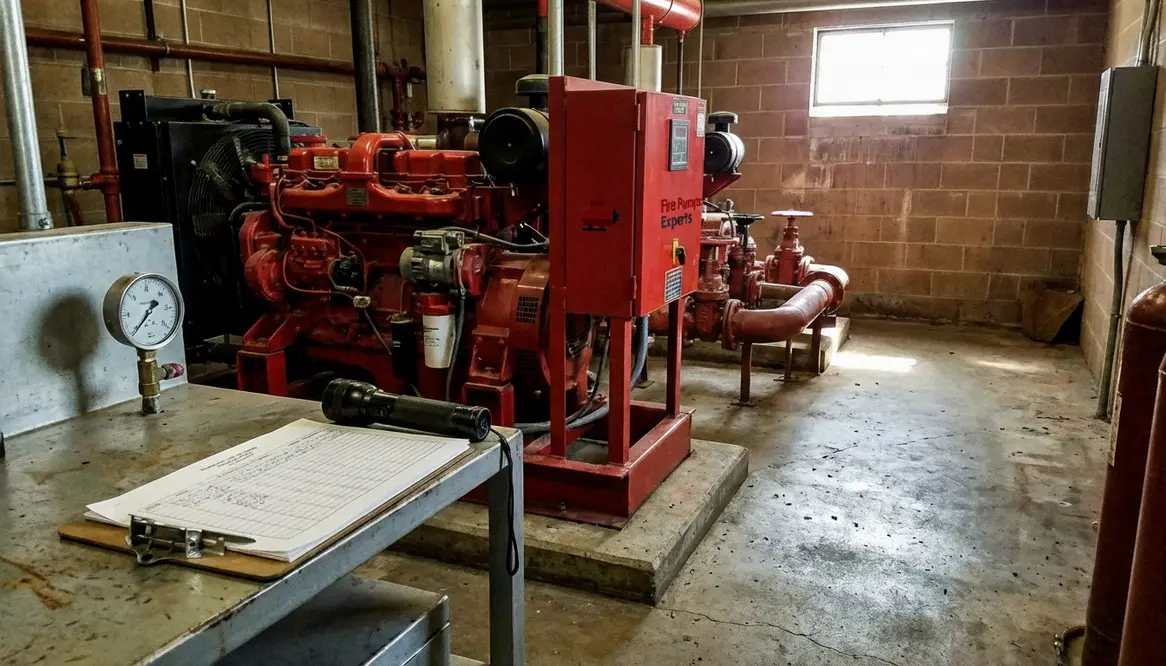
Over time, I notice the same questions pop up from facility managers, plant engineers, and property teams. The answers below are the ones I give on walk throughs when we are standing in the pump room, looking at the hardware together.
Keep Your System Ready Before It Is Needed
I always say this. A fire pump is like a great stage actor. When the moment comes, it must perform flawlessly without rehearsal. That level of reliability comes from preparation, not luck.
If you manage a commercial or industrial facility in New Jersey, now is the time to take action. Stay ahead of seasonal changes, commit to regular maintenance, and treat your system like the essential asset it is. When you do, you ensure your operation stays protected, no matter what comes your way.
In the end, critical infrastructure fire protection is really about respect. Respect for the people working in the building, for the processes that keep services running, and for the equipment that stands ready in the background. Take care of your fire pumps today, so they can take care of everything else tomorrow.