Fire Pump Multi Zone Standpipe Systems Guide
I have spent enough time around tall buildings to know one thing with certainty. Gravity is loyal, but not always helpful. When I talk about fire pump multi zone standpipe systems, I am talking about the quiet force that ensures water reaches the upper floors when it matters most. In large commercial and industrial properties, these systems are not optional. They are the difference between control and chaos. And yes, while they rarely get applause, they deserve a standing ovation. Preferably before anything catches fire.
How I Explain Multi Zone Standpipe Systems Without Putting You to Sleep
Let me keep this simple. A multi zone standpipe system divides a tall building into pressure zones. Each zone manages water pressure so pipes do not burst on lower floors or fail on upper ones. It is a balancing act, and I have seen it done beautifully.
However, without a fire pump, the system struggles. Water pressure from municipal supply alone rarely climbs high enough for modern high rise demands. That is where the pump steps in, like a seasoned backup singer who suddenly carries the whole show.
As a result, these systems maintain consistent flow and pressure across every zone. Firefighters connect, open valves, and water answers immediately. No hesitation. No drama.
When designed correctly, fire pump multi zone standpipe systems become the infrastructure version of a dependable colleague: not flashy, but always where you need them, exactly when it counts.
The Role of Fire Pumps in Multi Zone Standpipe Systems
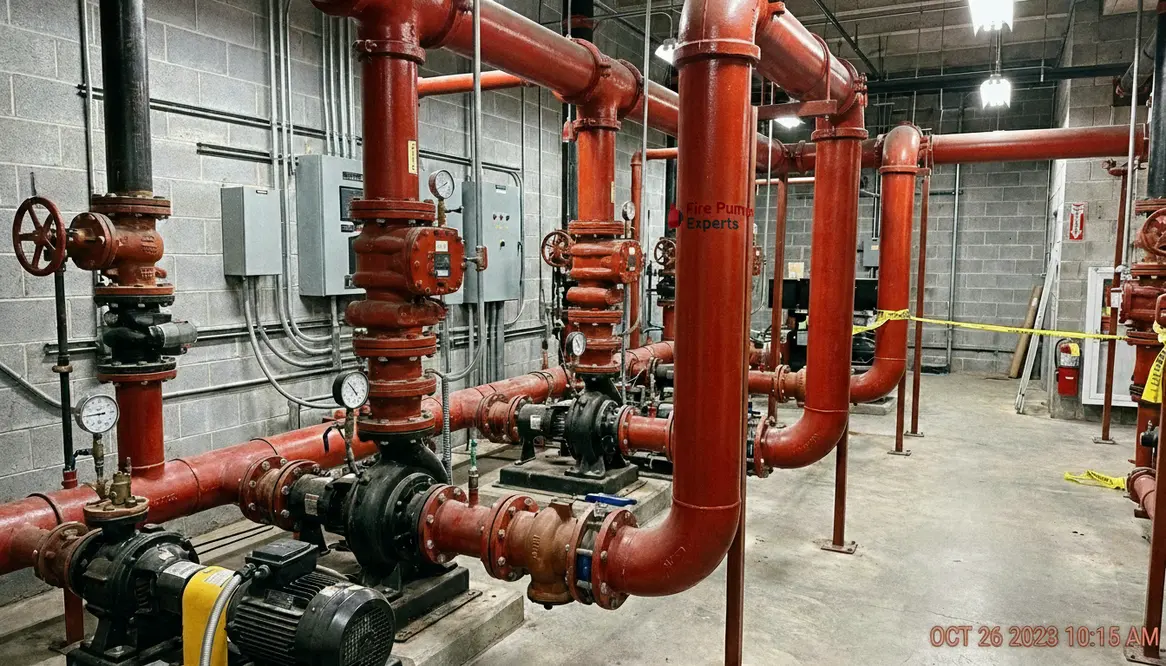
I like to think of the fire pump as the heart of the system. It does not just move water. It commands it. In fire pump multi zone standpipe systems, the pump boosts pressure so each zone receives exactly what it needs.
Moreover, different zones demand different pressures. Lower levels require restraint. Upper levels demand strength. The pump adjusts and delivers. It does not guess. It performs.
Additionally, in large commercial facilities like distribution centers, hospitals, and high rise office towers, demand can spike fast. Fire pumps respond instantly, ensuring that multiple standpipes operate at once without starving the system.
And let me be honest. When a system works this smoothly, it feels almost cinematic. Think less action movie explosion, more controlled and deliberate rescue scene. Still dramatic, just smarter.
How Fire Pumps Coordinate With Zoning
When you combine zoning strategy with a properly sized fire pump, you get a system that behaves predictably under stress. Fire pump multi zone standpipe systems are engineered so that flow, friction loss, elevation changes, and pressure limits all line up behind one simple outcome: water where firefighters stand, at the pressure they actually need.
What Happens Inside Each Zone When Pressure Matters Most
Each zone operates with its own pressure reducing devices or regulators. These components prevent excessive force from damaging hoses and valves. At the same time, they ensure enough pressure remains available for firefighting operations.
Consequently, the fire pump feeds the system while zone controls fine tune delivery. It is a partnership. One provides strength, the other precision.
In my experience, ignoring this balance leads to trouble. Too much pressure can be just as dangerous as too little. Pipes fail. Equipment suffers. Firefighters lose valuable time.
So yes, when someone tells me one pressure fits all, I politely disagree. Then I probably tell them a story they did not ask for.
Why Zoning Protects Both Equipment And People
Fire pump multi zone standpipe systems keep lower floors from being over-pressurized while still letting upper floors see the strength they need. That means less stress on valves, fittings, and hose lines, and a much lower chance that a critical component picks the worst possible moment to fail.
Why Large Commercial Buildings Depend on These Systems
Large scale properties come with unique risks. Wide footprints. Multiple floors. High occupant loads. These factors demand systems that perform without hesitation.
Therefore, fire pump multi zone standpipe systems are designed specifically for these environments. They support firefighting operations across vast areas while maintaining control over pressure distribution.
In addition, insurance requirements and safety codes often mandate these systems. Not as a suggestion, but as a necessity. And when compliance meets performance, everyone sleeps a little better.
If you want a quick reality check on how serious this is, look at major standards and resources like https://www.firepumps.org. Entire sections are dedicated to getting fire pump multi zone standpipe systems right because, in real emergencies, there are no do-overs.
Key Benefits At A Glance
| Key Benefit Reliable water delivery Balanced pressure control Support for multiple zones Improved firefighter safety |
Why It Matters Ensures immediate response Prevents system damage Covers large structures efficiently Reduces operational risk |
How Do I Know If My System Is Actually Ready
I get this question more often than you might think. And I appreciate the concern, because readiness is everything.
First, I look at testing frequency. Regular flow tests confirm that pumps and zones perform as expected. Then, I review maintenance records. A neglected system tends to reveal itself quickly.
Next, I check pressure readings across zones. Consistency tells me the system is balanced. Fluctuations tell me something needs attention.
Finally, I consider age and upgrades. Technology evolves. Systems that worked twenty years ago may not meet today’s demands. Staying current is not just smart. It is necessary.
A Simple Readiness Checklist
- Documented weekly or monthly pump checks, plus annual testing that actually happens
- Clear records of valve inspections, controller checks, and alarm confirmations
- Pressure readings that stay within expected ranges for each zone
- Upgrades or retrofits considered when occupancy, building use, or codes change
If any of those items earn a nervous pause, it is time to give your fire pump multi zone standpipe systems more than just a passing glance.
FAQ
Final Thoughts That Actually Matter
I have seen what happens when systems work, and when they do not. The difference is not subtle. If you manage or own a large commercial or industrial property, now is the time to take a closer look at your setup. Invest in inspection, testing, and upgrades where needed. A well designed system does not just meet code. It protects people, property, and peace of mind. And that, in my book, is worth every drop.