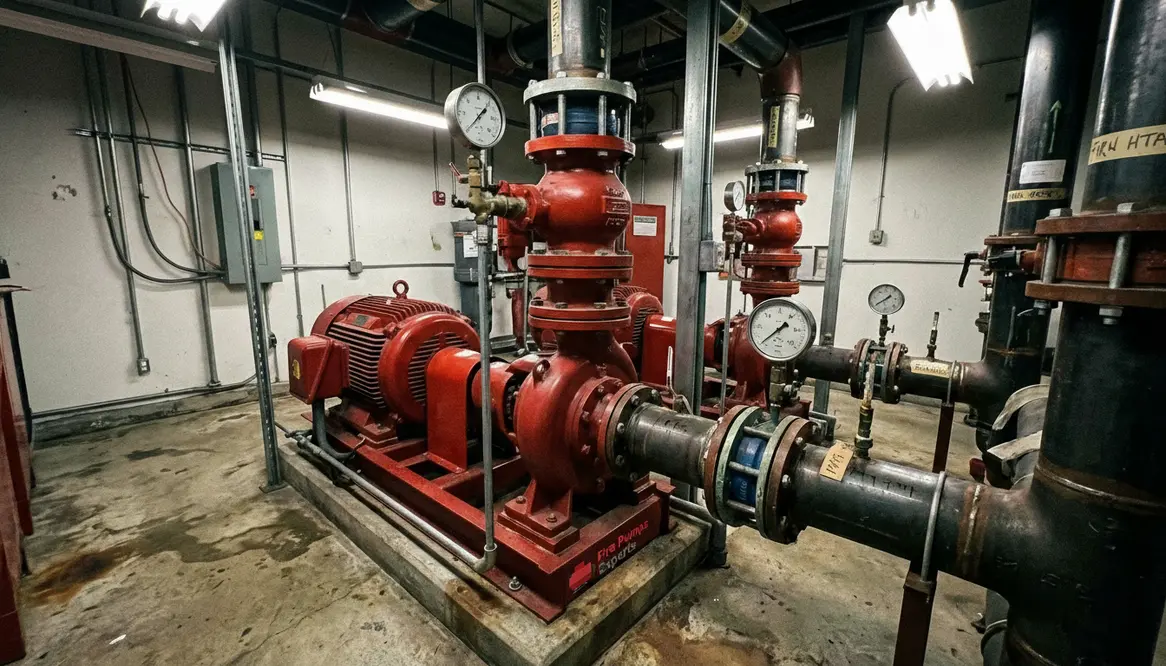
Fire Pump High Rise Pressure Zoning Guide
I have spent years walking through mechanical rooms that hum like a quiet bassline, and if there is one thing I never take lightly, it is fire pump high rise pressure zoning. In tall commercial and industrial buildings, water does not politely climb floors on its own. It needs force, direction, and a system that understands gravity is not your friend past the tenth floor. So today, I will walk you through how pressure zoning and fire pump requirements come together, why they matter, and how to keep everything running smoother than a well delivered movie monologue.
Understanding Fire Pump Requirements in High Rise Zoning
When I design or review a system, I always start with the basics. A fire pump exists to move water where city pressure simply cannot reach. However, in a high rise, one pump alone will not cut it. That is where zoning enters the stage.
Each pressure zone handles a vertical slice of the building. Too much pressure, and you risk damaging pipes and valves. Too little, and your sprinkler system becomes decorative. Therefore, I rely on zoning to keep every floor within a safe and effective pressure range.
Moreover, codes like NFPA 20 and NFPA 14 guide how these systems must perform. They dictate flow rates, redundancy, and pump capacity. I do not treat these codes like suggestions. They are more like the director on set. Ignore them, and the whole production falls apart.
How Do I Manage Pressure Without Overloading the System?
I get this question often, especially from facility managers staring at pressure gauges like they are trying to decode a sci fi plot. The answer is balance.
First, I divide the building into zones based on height. Then, I assign pumps or pressure reducing devices to each zone. This way, the lower floors do not get blasted with excessive force while upper floors still receive enough pressure to operate effectively.
Additionally, I use pressure reducing valves and sometimes break tanks. These components act like traffic controllers. They slow things down where needed and keep everything moving in the right direction.
And yes, if you are imagining water behaving like an overenthusiastic action hero, you are not far off. Without control, it will absolutely crash through the system.
Key Components That Make High Rise Fire Pump Systems Work
I always tell clients that a fire pump system is not just one machine. It is an orchestra. Every part must play its role.
Primary Elements
- Fire pumps sized for building height and demand
- Jockey pumps to maintain system pressure
- Controllers that manage pump operation
- Dedicated water supply sources
Supporting Components
- Pressure reducing valves for zone control
- Standpipe systems for fire department use
- Backup power systems
- Monitoring and alarm integration
Each component supports the larger goal of effective fire pump high rise pressure zoning. When one piece fails, the system does not just weaken. It can become unpredictable, which is far worse.
Why Zoning Strategy Impacts Safety and Compliance
I have seen buildings try to cut corners here. It never ends well. A poorly zoned system can either over pressurize lower levels or starve upper floors of water. Neither scenario passes inspection, and more importantly, neither protects people.
Therefore, I always align zoning with both building height and occupancy risk. For example, a data center floor demands a different approach than a parking level. Meanwhile, local regulations often add another layer of requirements, and I treat those as non negotiable.
In addition, proper zoning helps extend equipment life. Pumps do not have to overwork, valves do not wear out as quickly, and maintenance becomes predictable instead of reactive. That alone can save a facility a small fortune over time.
Designing for Real World Performance, Not Just Paper
On paper, many systems look perfect. In reality, things get interesting. I have walked into buildings where theoretical pressure calculations met actual friction loss and lost the battle.
So I design with real conditions in mind. That includes pipe length, elevation changes, and simultaneous demand scenarios. I also plan for testing and maintenance access because a system you cannot test is a system you cannot trust.
Furthermore, I always account for redundancy. If one pump fails, another must step in without hesitation. Fires do not wait for repairs, and neither should your system.
And yes, this is the part where I remind people that water is relentless. It does not negotiate. It either arrives with force, or it does not show up at all.
Common Mistakes I See in Commercial High Rise Systems
Even experienced teams can miss key details. However, I tend to see a few patterns repeat.
- Oversized pumps that create excessive pressure in lower zones
- Undersized systems that fail upper floor demand
- Improper valve selection leading to unstable pressure
- Lack of coordination between fire protection and plumbing systems
Because of this, I always recommend a coordinated design approach. Fire protection engineers, mechanical teams, and facility operators should all be in sync. Otherwise, you end up with a system that looks good on a blueprint but struggles in operation.
FAQ
Final Thoughts and Next Steps
If you manage or design a commercial or industrial high rise, now is the time to take a closer look at your system. Fire pump strategy is not just a requirement, it is your safety backbone. Work with specialists who understand pressure zoning inside and out, and make sure your system performs when it matters most. Visit https://firepumps.org to connect with experts who design systems that do not just meet code, but exceed expectations.