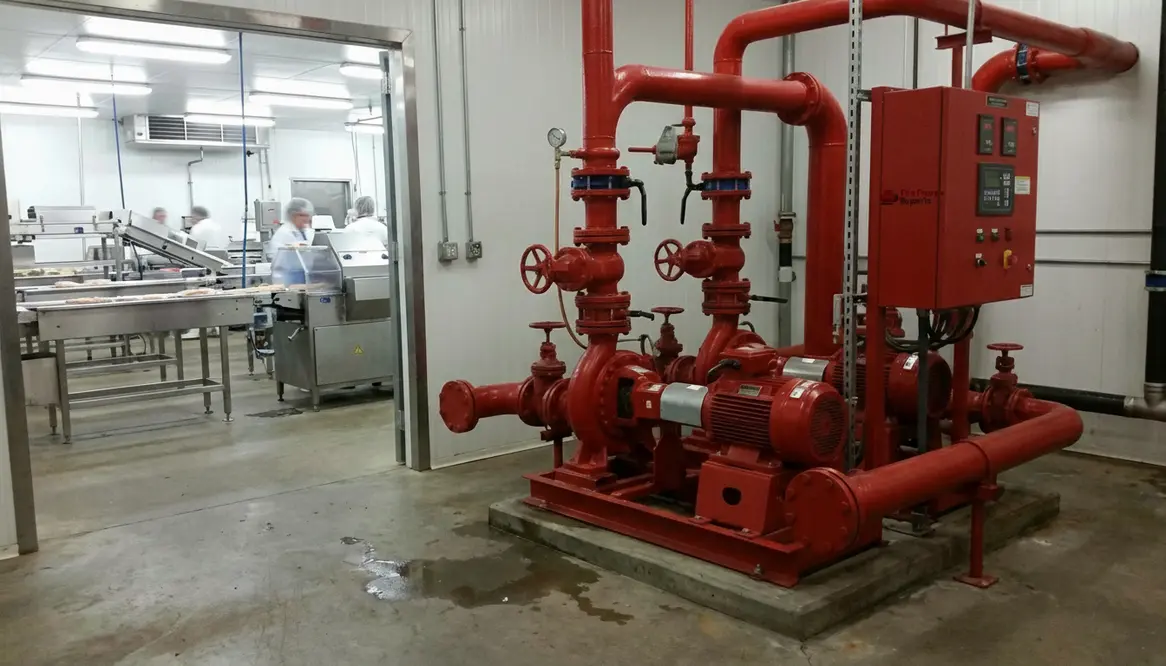
Fire Pump Needs for High Risk Food Facilities
I have spent enough time around industrial sites to know one thing for certain. Fire does not care how clean your floors are or how carefully you package your products. In food production, the stakes climb even higher. Between heat, oils, electrical systems, and continuous operations, the environment quietly demands serious protection. That is where Fire pump needs for high-risk food production facilities step into the spotlight. Not as a luxury, but as a necessity that keeps operations running, people safe, and reputations intact. And yes, it does all this without asking for applause, a bit like the bass player in a great band.
What makes fire protection critical in food processing environments
I often say food plants are a perfect storm of risk. You have flammable materials, high temperature equipment, and nonstop production cycles. Meanwhile, sanitation rules push systems to operate under strict conditions that can affect equipment performance.
Because of this, standard fire systems rarely cut it. Instead, I look at fire pump systems as the backbone of protection. They ensure consistent water pressure even when demand spikes. Without that reliability, sprinklers become more decorative than useful, and nobody wants that kind of surprise.
Moreover, downtime in these facilities costs more than money. It can disrupt supply chains and damage trust. So, investing in strong fire suppression infrastructure is not just safety planning. It is business continuity in action.
Fire pump needs for high-risk food production facilities explained clearly
Let me break it down in plain terms. These facilities need fire pump systems that deliver steady, high pressure water at all times. That sounds simple, but the execution requires precision.
First, the system must handle peak demand. During a fire event, multiple sprinkler zones may activate at once. Therefore, the pump must maintain pressure without hesitation.
Second, reliability is non negotiable. I always recommend redundant systems or backup power sources. After all, a fire pump that quits during a power outage is about as helpful as a screen door on a submarine.
Finally, compliance plays a major role. Codes and standards guide every decision, from pump type to installation. Staying aligned with these rules keeps both inspectors and insurance providers happy, which is a win for everyone.
When you understand Fire pump needs for high-risk food production facilities in practical terms like this, design decisions become clearer, budgets make more sense, and the end result is a system built to actually perform when it counts.
How do I choose the right fire pump system for a food facility?
I approach this like casting a movie. Every role matters, and the wrong choice can ruin the whole production.
Start with the facility size and layout. Larger plants with complex zones often require more powerful pumps or multiple units. Then consider the available water supply. If municipal pressure falls short, a fire pump becomes essential to bridge that gap.
Next, think about the hazards involved. Facilities dealing with oils or high heat processes may need more robust systems. Electric pumps work well in many cases, but diesel pumps provide independence from the grid, which can be a lifesaver during emergencies.
And yes, maintenance matters. I always remind clients that even the best system needs regular testing. Think of it like going to the gym. Skip too many sessions, and performance drops when you need it most.
The smartest decisions around Fire pump needs for high-risk food production facilities start with realistic assessments, not wishful thinking. Look at water supply, hazard types, power reliability, and long-term maintenance capacity before you ever pick a pump curve.
Core components that keep systems dependable
Pump unit
This is the heart of the system. It moves water with the force needed to suppress fires quickly.
Controller
The brain behind the operation. It ensures the pump starts and runs correctly during an emergency.
Power source
Electric or diesel options provide flexibility. Each comes with advantages depending on facility needs.
Water supply
A reliable source, whether from tanks or mains, supports consistent performance.
Jockey pump
This smaller pump maintains system pressure and prevents unnecessary starts.
Monitoring systems
Real time tracking helps detect issues before they become problems.
When these elements work together, the system becomes more than equipment. It becomes a safeguard that quietly stands ready at all hours.
Design strategies that actually work in industrial food facilities
I have seen designs that look great on paper but fail in real life. So, I focus on practical performance.
First, I ensure proper sizing. Oversized pumps waste energy, while undersized ones risk failure. Balance is key.
Then, I prioritize accessibility. Maintenance teams need clear access for inspections and repairs. Hiding critical equipment behind obstacles only creates problems later.
Additionally, I integrate systems with the facility layout. Strategic placement reduces response time and improves efficiency. It is a bit like placing speakers at a concert. Position matters if you want the full effect.
Finally, I plan for future expansion. Food facilities grow, and fire protection should grow with them. A flexible design saves time and money down the road.
Thoughtful layout, correct hydraulics, and room for change are where Fire pump needs for high-risk food production facilities stop being a checkbox and start becoming a strategic advantage for the entire operation.
Maintaining fire pump performance without disrupting operations
Here is where discipline comes in. Regular testing ensures the system performs under pressure, literally.
I recommend weekly or monthly checks depending on system type. These tests confirm that pumps start properly and maintain pressure levels. At the same time, annual inspections dive deeper into system health.
Moreover, documentation is essential. Keeping detailed records helps identify patterns and prevents small issues from becoming major failures.
And let me be honest. Skipping maintenance might seem harmless until the moment you need the system. That is not the time for surprises.
In the long run, consistent care turns Fire pump needs for high-risk food production facilities into a predictable routine instead of a frantic emergency project every time an inspector walks in or a fault light flickers on.
Conclusion
When I look at fire protection in food processing, I see more than compliance. I see a commitment to safety, continuity, and trust. Investing in the right system today prevents costly setbacks tomorrow. If you are ready to strengthen your facility with dependable fire pump solutions, now is the time to act. Reach out, ask the right questions, and put a system in place that works as hard as you do.
If you want a deeper technical overview or design guidance, you can explore additional resources at https://firepumps.org to support your next round of upgrades.