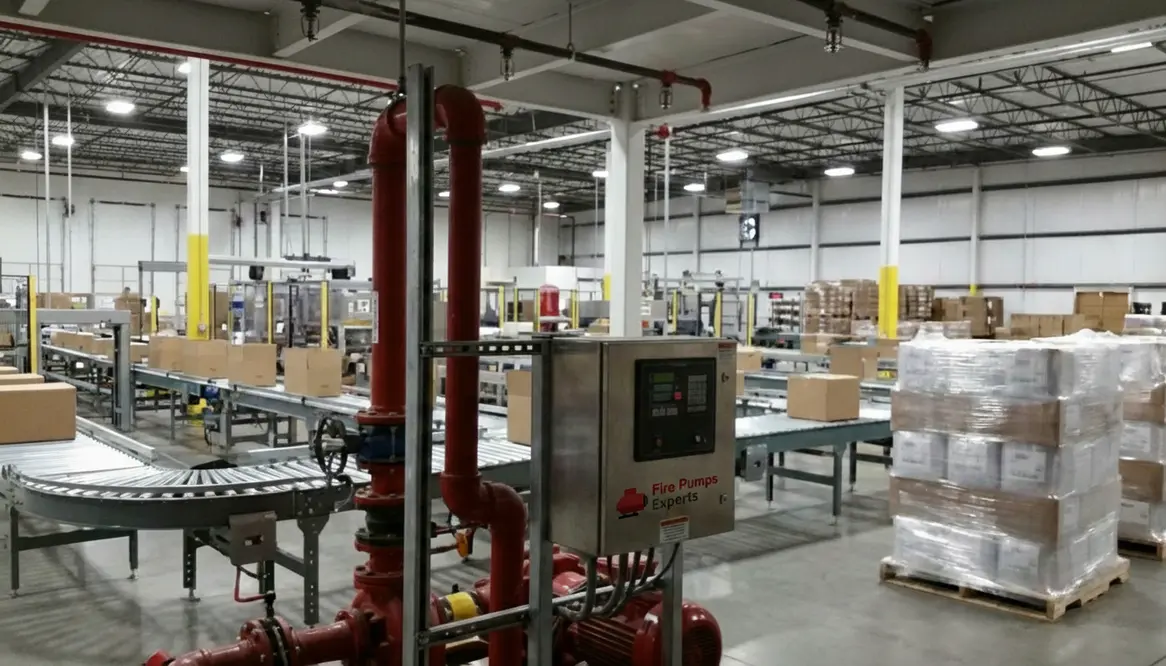
Fire Pump Solutions for Packaging Operations Safety
I have spent enough time around industrial sites to know one thing for certain. Packaging facilities move fast, and anything that slows them down costs real money. That includes fire risks. So when I talk about Fire safety planning for packaging operations, I am not talking about a dusty binder on a shelf. I am talking about systems that wake up before trouble even has a chance to stretch. And right at the heart of that system sits a fire pump, quietly waiting like a night watchman who never blinks.
Now, let us walk through what actually works, what does not, and why your facility deserves more than a one size fits all setup.
Why Packaging Facilities Demand Specialized Fire Pump Solutions
Packaging plants are a curious mix. On one side, you have cardboard, plastics, adhesives, and films that burn faster than popcorn in a microwave. On the other, you have high speed machinery and tight production lines that do not leave much room for error. Because of this, I never treat these environments like generic industrial spaces.
In fact, the fire load in a packaging facility can escalate quickly. Therefore, a standard pump system often falls short. I recommend systems that can handle sudden spikes in demand while maintaining consistent pressure across large floor areas. After all, sprinklers are only as good as the water they receive.
And yes, I have seen facilities try to cut corners here. It usually ends the same way every horror movie does. You think everything is fine until it really is not.
Fire Safety Planning for Packaging Operations That Actually Works
Start with how the plant actually runs
When I approach Fire safety planning for packaging operations, I start with flow. Not water flow, not yet. I mean operational flow. Where materials move, where they stack, and where bottlenecks form. Because wherever things pile up, risk tends to follow.
Those pallet staging areas, film rolls waiting for changeover, and finished goods racked four levels high all change how heat and smoke behave. If the plan does not account for these realities, the pump sizing and discharge layout end up built on wishful thinking instead of production reality.
Match the pump to real demand
Next, I align pump capacity with real world demand. That means calculating peak sprinkler usage, factoring in hose streams, and planning for expansion. Packaging facilities rarely stay the same size for long. Growth is great for business, but it can quietly outgrow your fire protection system.
Additionally, I look at redundancy. A single pump might meet code, but a backup pump protects your operation when things go sideways. And trust me, they sometimes do. Smart Fire safety planning for packaging operations builds in “bad day” capacity, not just “good day” efficiency.
What Type of Fire Pump System Should I Use in a Packaging Plant
The core options, side by side
|
Electric Fire Pumps Ideal for facilities with reliable power. They are efficient, clean, and easier to maintain. I often recommend them for modern plants with stable infrastructure. |
Diesel Fire Pumps These shine when power reliability is a concern. They bring independence, which can be critical during emergencies. Think of them as the rugged backup actor who steals the show. |
|
Vertical Turbine Pumps Perfect when water sources are below ground, such as tanks or wells. They keep pressure steady even in challenging supply conditions. |
Split Case Pumps These are the workhorses for large scale facilities. They deliver high flow rates and durability for demanding environments. |
In many cases, I combine systems. Because relying on a single approach in a high risk facility is a bit like bringing a spoon to a sword fight. Blended Fire safety planning for packaging operations often pairs electric as the primary pump with diesel as the on site backup, giving you efficiency on normal days and resilience when things get ugly.
How I Design for Reliability and Compliance
Right sizing the heart of the system
Codes matter. Standards matter. But performance matters more. So I design systems that meet NFPA requirements while also addressing the realities of your operation.
First, I ensure proper pump sizing. Too small, and you fail under pressure. Too large, and you waste energy and strain components. Then, I focus on controller systems that respond instantly and predictably, so there is no hesitation when heat trips detection and demand spikes across multiple sprinkler zones.
Designing for real maintenance, not wishful thinking
Moreover, I pay attention to testing and maintenance access. A fire pump that cannot be easily tested is a fire pump that will eventually surprise you. And not in a good way. Clear access, logical valve placement, and safe test headers are all part of Fire safety planning for packaging operations that can be sustained year after year.
Finally, I integrate monitoring systems. Real time alerts can turn a minor issue into a quick fix instead of a major shutdown. Tie that visibility into your building management system or remote dashboard and you gain a quiet, always on guardian for your most vulnerable production areas.
Common Mistakes I See in Packaging Facility Fire Protection
Hidden weak spots behind “good on paper” systems
I have walked into facilities where everything looked fine on paper, yet problems were hiding in plain sight. Here are a few patterns I keep seeing.
- Undersized pumps that cannot meet peak demand
- Poor water supply planning leading to pressure drops
- Neglected maintenance schedules that quietly degrade performance
- No redundancy leaving the system vulnerable
- Outdated controls that respond too slowly
The danger of assuming yesterday’s system is still enough
However, the biggest mistake is assuming yesterday’s system can handle today’s production pace. Packaging facilities evolve quickly, and your fire protection should keep up.
Every new line, mezzanine, or storage scheme nudges the risk profile. Fire safety planning for packaging operations is not a “set it and forget it” project; it is a living strategy that should be revisited whenever the plant layout changes in a meaningful way.
FAQ About Fire Pump Solutions for Packaging Facilities
Final Thoughts and Next Steps
If your packaging facility runs at full speed, your fire protection system should keep pace without hesitation. I design fire pump solutions that do more than meet code. They protect production, people, and profit. So if you are ready to strengthen your system and remove uncertainty, now is the time to act. Reach out, and let us build a solution that stands firm when it matters most.