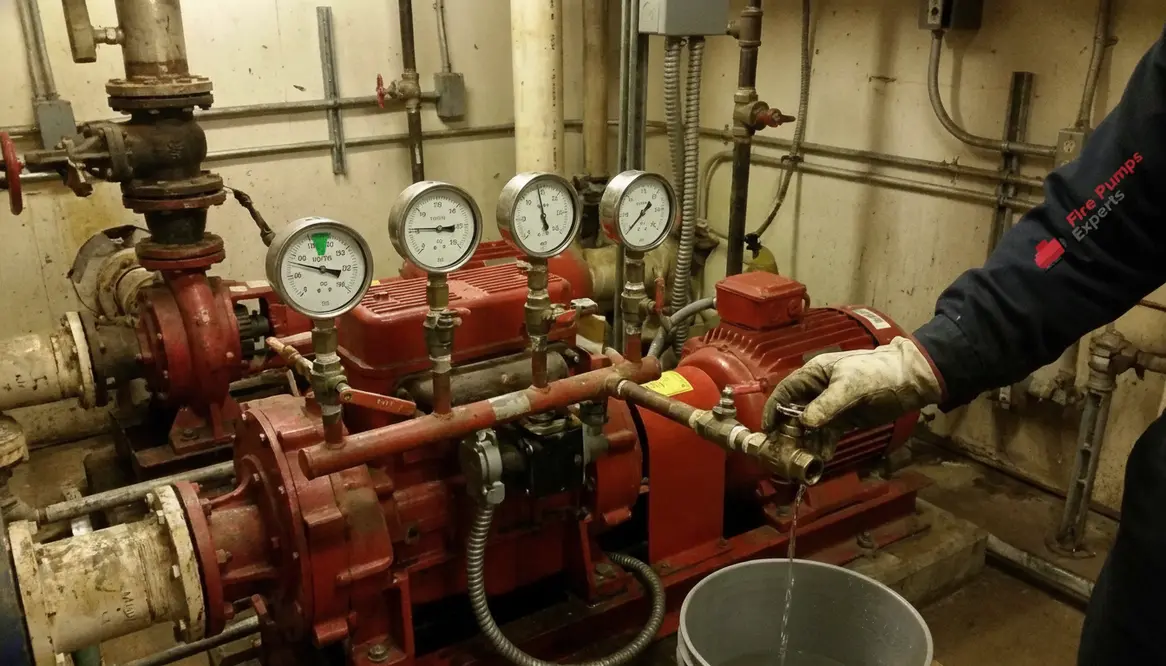
Fire Pump Pressure Normal but Flow Low
When I look at a system and see fire pump pressure sitting right where it should be, yet the water still trickles out like it is on a coffee break, I know the problem needs a calm but careful check. That is where fire pump flow and fire pump troubleshooting come into play. In commercial and industrial facilities, and in major property buildings, this issue can put the whole protection plan on thin ice. So I take a practical path, stay patient, and look for the real cause instead of blaming the gauge like it started the drama.
What normal pressure but low flow usually means
When pressure looks normal, I do not assume the pump is healthy. Instead, I ask a simple question: is the pump moving enough water to protect the building? Often, the answer is no. A pump can build pressure without delivering strong flow if something in the system limits water movement. For example, a blocked suction line, a closed valve, or a worn impeller can all create a false sense of security. In other words, the pump may look fine on paper, but the water is telling a very different story.
In large properties, this matters even more. A high rise, warehouse, data center, or plant depends on the system delivering the right volume at the right time. If flow falls short, sprinklers and standpipes may not perform as designed. That is not the kind of surprise anyone wants during an emergency. Frankly, surprises are for birthday cakes, not fire protection systems.
First checks I make before deeper testing
I always start with the simple items because they save time and headaches. First, I inspect the suction source. If the water supply cannot feed the pump well enough, pressure may still appear normal while flow drops. Next, I check suction and discharge valves to make sure they are fully open. Then I look for clogged strainers, dirty intakes, or air leaks that can choke performance.
After that, I review the driver side. If the pump uses an electric motor, I look at voltage, speed, and motor condition. If it uses a diesel driver, I check fuel supply, air supply, and engine speed. A driver that does not reach full speed can leave pressure in an odd place while flow stays weak. That is why I treat the whole system as one chain, not one lonely pump in a room by itself.
Common causes I find during fire pump troubleshooting
Here are the issues I see most often when fire pump troubleshooting starts with normal pressure and poor flow:
- Valve restriction – A partially closed valve can cut flow fast, even when pressure still looks acceptable.
- Suction blockage – Debris, scale, or a clogged strainer can limit water supply and starve the pump.
- Impeller wear – If the impeller is damaged or worn, the pump loses its ability to move water at the needed rate.
- Wrong pump speed – If the pump does not run at the right speed, the curve shifts and flow drops.
- Air in the suction line – Air reduces pump efficiency and can make performance feel strangely weak.
- System demand issue – Sometimes the problem is not the pump alone. The building demand may exceed what the system can deliver because of added equipment, changed pipe conditions, or poor system design updates.
A simple way I compare pressure and flow
To make the issue easier to picture, I use this quick comparison:
Pressure
It tells me how hard the pump pushes the water.
Flow
It tells me how much water actually moves through the system.
Both together
They show whether the pump can truly protect the facility.
So, if pressure is fine but flow is low, I know the system may have a hidden restriction, a mechanical issue, or a supply problem. It is a bit like a superhero with a strong costume but no actual strength. Looks impressive, yes. Very useful, not so much.
How I test the system the right way
When I move past the basics, I test the pump under real conditions. I compare actual readings with the pump curve and the expected system demand. That tells me whether the pump is working as designed or just putting on a good performance for the gauge. I also watch for unusual vibration, heat, and noise. These clues often point to internal wear, alignment trouble, or suction problems.
For commercial and industrial sites, I also review maintenance records. A pattern of small issues can lead to one big failure. For example, repeated valve adjustments or missed inspections can slowly drag performance down. That is why I value records as much as readings. Numbers tell part of the story. History fills in the rest.
When to bring in a fire pump specialist
If I confirm that fire pump pressure is normal but flow stays low, I do not wait around hoping it fixes itself. I bring in a qualified fire pump specialist who understands the full system and works with commercial and industrial properties. That step matters because a wrong fix can hide the real problem and waste time. For a deeper look at system service, I often point people to los angeles fire pump service. You can also review related support through commercial fire pump solutions, and for broader building services, electrical and systems support can help keep critical equipment aligned. For sprinkler related work, see fire sprinkler service support.
FAQ
Conclusion
If I see fire pump pressure normal and fire pump flow low, I treat it as a warning, not a small quirk. In a commercial or industrial property, that gap can mean the system is not ready when it matters most. So I check the supply, valves, driver, and pump condition with care. Then I verify real performance against the system need. If you want a safer answer and a stronger result, take action now and schedule a professional inspection before the next emergency asks the hard questions.