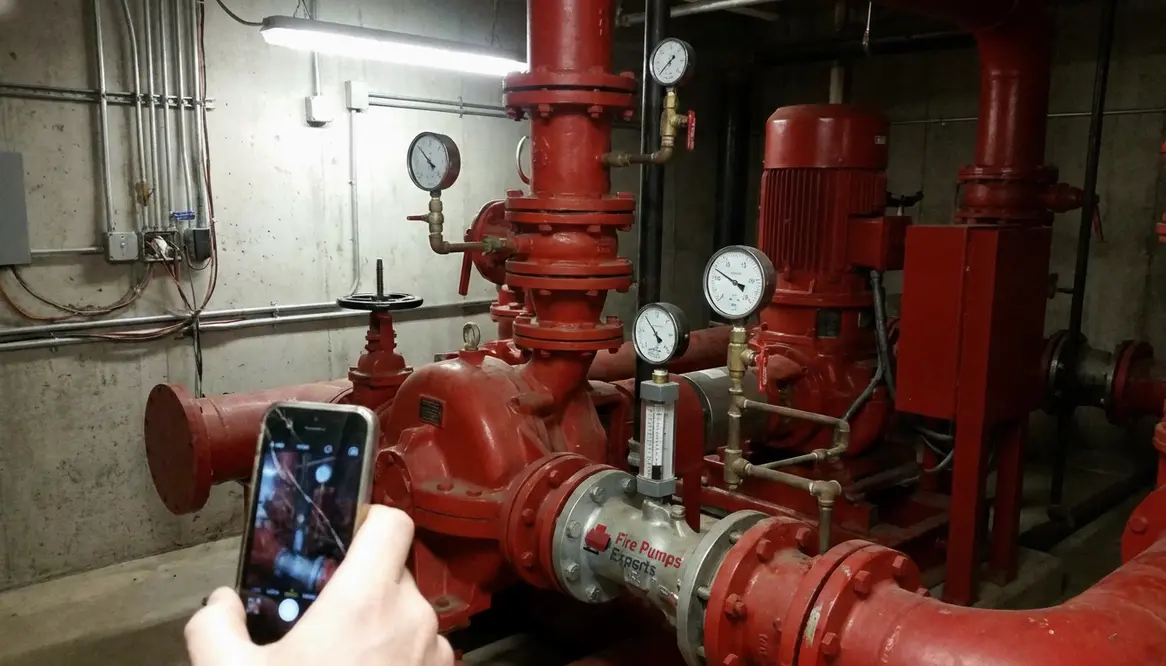
Fire Pump Rated Flow: What 100% Flow Means
When I talk about fire pump rated flow, I am talking about the point where the pump delivers the exact volume of water it was built and tested to provide. That sounds simple enough. However, in the real world, this number carries real weight for commercial and industrial buildings, large warehouses, and major property sites where fire protection cannot afford a dramatic plot twist. If a pump misses its rated flow, the whole system can wobble when it should stand firm. So, let me break it down in plain English, without turning this into a dusty engineering lecture from 1987.
Fire pump rated flow, in one line
It is the confirmed point where the pump delivers its full listed output at the test conditions.
100% flow is a benchmark
Not a guess, not “close enough.” It is the point the pump was designed and tested to hit.
If it misses, systems feel it
Lower output can mean lower confidence when you need the whole setup to stand firm.
What 100% Flow Means in a Fire Pump Test
100% flow means the pump is performing at its listed rated capacity. If a pump is rated at 1,000 gallons per minute, then 100% flow means it is moving 1,000 gallons per minute at the pressure stated by the manufacturer and testing standard. In other words, this is the benchmark. It is not a guess, and it is not a “close enough, ship it” moment.
This matters because fire pumps support sprinkler systems, standpipe systems, and hydrants in large facilities. Therefore, when a pump reaches rated flow, I know it can do the job it was designed for. On the other hand, if it falls short, the system may still work, but not with the confidence a serious property owner wants. And in fire protection, confidence is not a vibe. It is a requirement.
Why rated flow matters for commercial and industrial buildings
In large buildings, demand can change fast. A pump may need to feed multiple risers, long pipe runs, or high level areas. As a result, the rated flow becomes more than a number on a label. It becomes proof that the system can support real fire load conditions.
For commercial and industrial sites, I pay close attention to rated flow because it helps show whether the pump matches the building’s risk profile. A pump that looks fine on paper may still struggle if the water supply, suction conditions, or system friction losses do not line up. So, rated flow gives us a clean reference point before we start asking harder questions.
How I read fire pump performance without the smoke and mirrors
A pump does not work in a perfect bubble. It works with suction pressure, discharge pressure, flow demand, and site conditions all pushing and pulling at once. That is why I do not look at flow alone. I look at the full curve.
The pump curve shows how the pump behaves at different demand levels. At shutoff, the pump has zero flow and usually the highest pressure. At rated flow, it reaches its intended sweet spot. Beyond that, pressure drops as flow rises. This is normal. It is not the pump having a bad day, like a side character in a sitcom trying to hold it together.
To make this easier, here is the quick picture:
| Flow point | What it tells me |
|---|---|
| Shutoff | Maximum pressure, no water moving |
| 100% rated flow | Design point, full listed output |
| Beyond rated flow | More demand, less pressure, more stress |
What changes when a pump misses 100% flow
If a pump cannot hit its rated flow, I start checking the usual suspects. First, I look at suction supply. A weak water source can choke performance before the pump even gets going. Next, I check for friction losses, valve issues, pipe restrictions, and poor installation details. Then I review test data for signs of wear, cavitation, or low speed.
Also, a small miss can reveal a larger system issue. For example, an undersized supply line may force the pump to work harder than it should. Likewise, a blocked strainer or poor alignment can make the pump act like it is carrying a couch up five flights of stairs. It can still move, but not happily.
Fire pump rated flow and AS 2419 compliance
If you want a deeper look at how pump and hydrant systems should perform, I recommend the AS 2419 fire pump and hydrant performance guide. It gives useful context for understanding pump output, system demand, and the standard that large property owners should respect if they want fewer headaches later.
When I review a system, I always connect rated flow to the actual site design. That means I look at the pump, the hydrants, the pipe network, and the building use as one living system. A strong pump means little if the rest of the setup cannot carry the load. It is a team sport, and fire protection does not reward solo acts.
How to verify fire pump rated flow on site
I verify rated flow through proper testing and comparison to the pump curve. First, I confirm the test setup, because bad test gear can tell a fake story with great confidence. Then I measure pressure and flow at set points. After that, I compare results against the manufacturer data and the system design basis.
If the pump lands close to rated flow, that is a good sign. If it falls short, I do not panic, but I do investigate. In large facilities, small changes can reveal big maintenance needs. Therefore, regular testing protects both the building and the people who rely on it.
Need help checking your pump capacity
For commercial and industrial properties, I always suggest working with a specialist who understands fire pump design, testing, and compliance. If you want a local reference, this los angeles fire pump resource can help you explore the right solutions for major facilities and large buildings. Also, the right service team will keep the system tied to real site needs, not just theory.
FAQ
Final Thoughts: Keep the Flow Honest
I treat fire pump rated flow as a promise the system must keep. For commercial and industrial buildings, that promise supports safety, uptime, and peace of mind. So, if you manage a major property, do not wait for a problem to introduce itself. Review the pump curve, confirm the test results, and make sure the system performs at full strength. If you want help, reach out and let a fire protection specialist check the details before the details check you.