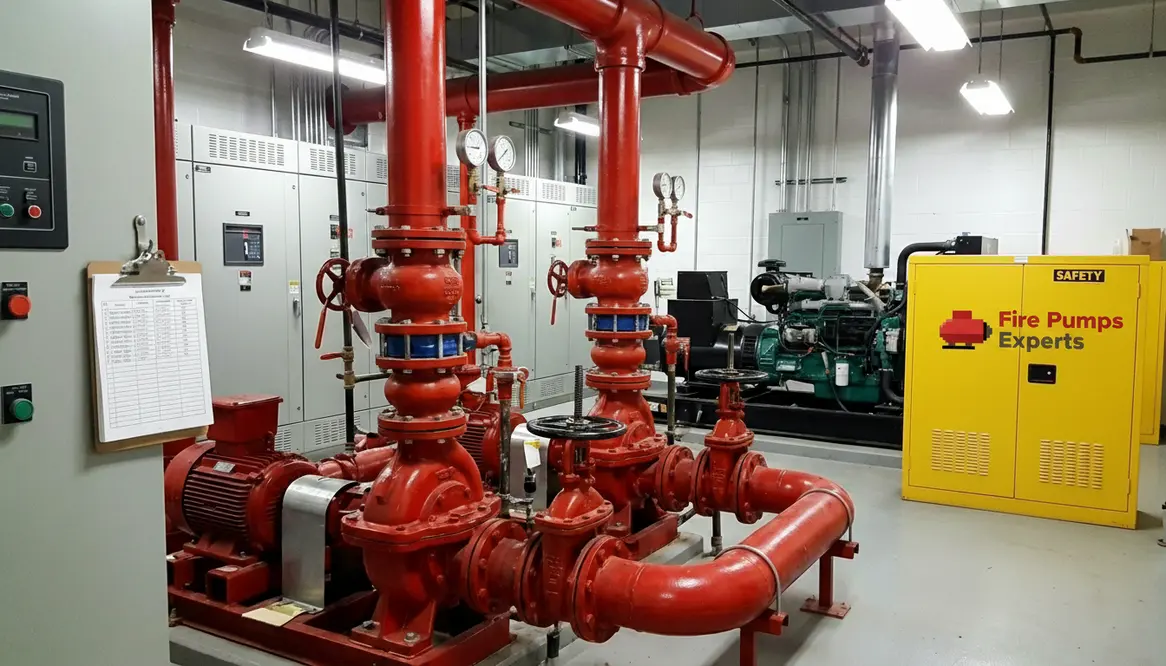
Fire Pump Requirements for Hospitals Guide
I have spent years around mechanical rooms where the hum of equipment feels like a heartbeat. In life safety critical facilities, that heartbeat often comes from one place: the fire pump. When we talk about Fire Pump Requirements for Hospitals, we are not just talking about code compliance. We are talking about systems that stand between calm and chaos. And yes, while it may not sound as thrilling as a Marvel finale, when things go wrong, this system becomes the main character very quickly.
This guide walks through practical Fire Pump Requirements for Hospitals so facility teams, designers, and owners can understand what really matters when reliability is non‑negotiable.
What are the core fire pump requirements for life safety critical facilities?
I will answer this the way most engineers wish more people would hear it: clearly and without fluff. Fire pump systems in hospitals and similar large facilities must deliver reliable water pressure at all times. That means compliance with NFPA 20, proper sizing based on hazard demand, and redundant power sources. However, it does not stop there.
Additionally, controllers must be listed and designed for automatic operation. The system must start without hesitation, because in a real emergency, there is no time for a dramatic pause. Moreover, regular testing ensures performance does not degrade quietly in the background.
In my experience, the real requirement is trust. If the system cannot be trusted under stress, it has already failed.
Translating codes into real reliability
Codes describe the minimum. Fire Pump Requirements for Hospitals demand that the system still performs when utilities wobble, valves get bumped, or a component fails at the worst possible time. That is where design rigor, clear documentation, and realistic commissioning separate a box‑checked system from a dependable one.
Fire Pump Requirements for Hospitals in high demand environments
Hospitals operate differently than standard commercial buildings. They never sleep. Because of this, fire pump design must account for continuous operation and critical patient care zones.
For example, redundancy is not optional. I have seen facilities install backup pumps and secondary power feeds because losing water pressure is simply not acceptable. Furthermore, zoning becomes crucial. Different wings may require different pressure levels, especially in high rise hospital towers.
Then there is water supply. Municipal systems can fluctuate, so on site storage tanks often serve as a safety net. Think of it as having a backup generator, but for water. Not flashy, but absolutely essential.
Designing for zones, towers, and critical care areas
Intensive care units, operating rooms, and high‑rise patient towers all place different demands on the fire protection system. The Fire Pump Requirements for Hospitals extend past the pump room into how risers, pressure zones, and control valves are arranged so a single failure does not put the entire facility at risk.
Key Design Elements
- Accurate hazard classification
- Proper pump sizing and curve selection
- Redundant power supply
- Automatic controllers
Operational Priorities
- Continuous availability
- Routine testing and inspection
- Quick fault detection
- Integration with fire protection systems
How do I ensure compliance without overengineering the system?
This is where things get interesting. Overengineering sounds impressive until budgets get involved. I always recommend starting with code requirements, then aligning them with actual facility risks.
However, balance is key. Oversizing a pump can create pressure issues, while undersizing creates obvious risks. Therefore, hydraulic calculations must be precise, not guessed or copied from another project.
Also, coordination with other systems matters. Sprinklers, standpipes, and alarms must all work in harmony. Otherwise, you end up with a system that looks good on paper but struggles in real life. And trust me, paper does not put out fires.
Right-sizing risk, cost, and performance
When applying Fire Pump Requirements for Hospitals, the most effective designs sit at the intersection of code minimums, realistic worst‑case scenarios, and the facility’s tolerance for downtime. That is where thoughtful engineers trim wasteful extras while refusing to compromise on the components that protect lives and operations.
Power supply and reliability considerations that cannot fail
If there is one thing I emphasize, it is power reliability. Fire pumps depend on consistent energy, and in hospitals, that often means multiple layers of backup.
Electric pumps typically connect to emergency generators. Meanwhile, diesel pumps serve as an additional safeguard. This layered approach ensures that even if one system fails, another steps in without hesitation.
Moreover, transfer switches and control panels must operate seamlessly. Delays of even a few seconds can feel very long during an emergency. It is not quite an action movie countdown, but it is close enough to matter.
Redundancy without unnecessary complexity
Redundant feeds, generators, and diesel drivers only help if operators can understand and maintain them. Clear sequences of operation, labeled breakers, and well‑documented testing procedures turn a complex power arrangement into something the night‑shift technician can manage at 3 a.m. without guesswork.
Maintenance and testing that actually reflect real world conditions
I have seen beautifully installed systems fail because they were not maintained. Regular testing is not just a checkbox. It is a rehearsal.
Weekly churn tests verify operation without full load. In contrast, annual flow tests push the system to perform at its rated capacity. Both are essential.
Additionally, documentation plays a role. Logs, performance curves, and inspection reports help identify trends before they become problems. It is a bit like noticing your car making a strange noise before it breaks down on the highway.
Making tests meaningful, not performative
The best facilities treat every test as a chance to uncover a weakness. Operators simulate power failures, verify alarms report correctly to monitoring stations, and compare current flow results against original acceptance data. That mindset keeps Fire Pump Requirements for Hospitals from fading into a dusty binder on a shelf.
Fire Pump Requirements for Hospitals and integration with large facility systems
In major commercial and industrial properties, integration is everything. Fire pumps do not operate in isolation. They connect with building management systems, alarms, and suppression networks.
Therefore, communication between systems must be seamless. When a sprinkler activates, the pump should respond instantly. No confusion. No delay.
Also, modern facilities often include remote monitoring. This allows operators to track performance in real time. It is like having a security camera, but instead of watching people, you are watching pressure levels and flow rates.
From isolated pump room to connected safety network
When fire pumps share data with building automation systems, trend logs can reveal issues long before alarms trip. Slow pressure decay, extended start times, or frequent jockey pump cycling are early hints that something is off. Facilities that act on those hints turn integration into a quiet superpower.
Practical tools and resources for hospital fire pump planning
Design teams and facility managers do not need to start from a blank page. Codes, manufacturer tools, and third‑party resources make it easier to align design intent with Fire Pump Requirements for Hospitals while keeping projects buildable and maintainable.
- Manufacturer pump selection software to match curves with actual hydraulic calculations
- Template test forms for weekly, monthly, and annual fire pump testing
- Commissioning checklists that verify integration with alarms, valves, and generators
- Specialist consultants and organizations such as https://firepumps.org that focus specifically on fire pump systems
FAQ
Conclusion
When I look at fire pump systems in critical facilities, I do not just see equipment. I see responsibility. Every valve, every controller, every line has a role to play when it matters most. If you manage or design large commercial or industrial properties, now is the time to evaluate your system. Work with specialists who understand the stakes, because in this field, preparation is not optional. It is everything. And when done right, it quietly saves the day.