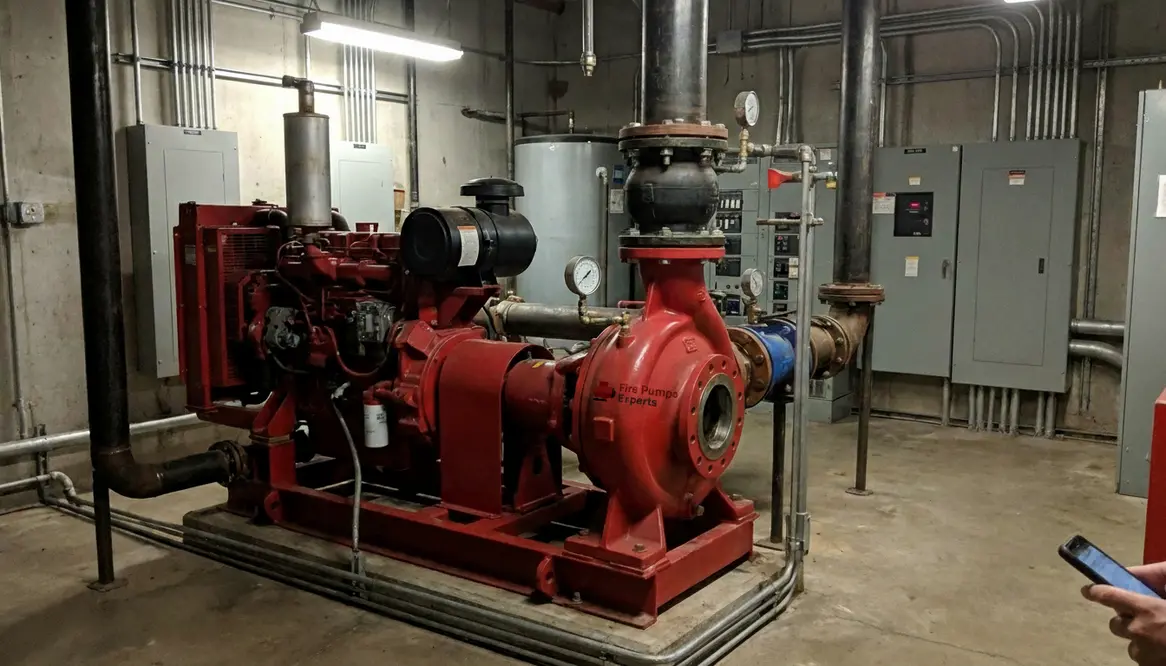
Fire Pump System Requirements for Commercial Buildings
I have spent years walking through mechanical rooms where the hum of a well tuned system feels almost like a heartbeat. And when we talk about fire pump system requirements for commercial buildings, that heartbeat matters. Within the first moments of an emergency, these systems decide whether a structure stands proud or becomes a cautionary tale. So today, I will guide you through what truly matters, with a calm hand and just enough humor to keep us both awake.
Understanding Fire Pump System Requirements for Commercial Buildings
At its core, a fire pump exists to boost water pressure when the municipal supply cannot keep up. Simple idea, serious consequences. However, the actual requirements are anything but casual.
Most commercial and industrial properties must follow standards set by NFPA 20. That means proper sizing, reliable power sources, and precise installation. In other words, you do not just pick a pump like you are choosing a coffee size. This is less latte, more life safety engineering.
Additionally, compliance is not optional. Local authorities enforce codes that align with national standards. Therefore, every component, from controllers to valves, must meet strict guidelines. And yes, inspectors will notice if you cut corners. They always do. It is almost supernatural.
What Does a Compliant Fire Pump Setup Actually Include
A complete system is more than just a pump sitting in a corner hoping for the best. It is a coordinated team of components working together.
Key elements include
- Pump unit sized to meet flow and pressure demands
- Driver either electric or diesel depending on reliability needs
- Controller that starts the pump automatically during pressure drops
- Water supply from tanks, city mains, or reservoirs
- Jockey pump to maintain pressure without running the main pump
- Piping network designed to minimize friction loss
Moreover, redundancy often plays a role in larger facilities. Because when millions of dollars in assets are on the line, having a backup is not paranoia. It is wisdom.
How I Approach Design and Sizing Without Guesswork
Designing around fire pump system requirements is where science meets experience. I start with hazard classification. A warehouse full of paper products behaves very differently from a data center. One burns fast, the other melts quietly but expensively.
Then, I calculate flow demand based on sprinkler systems and standpipes. After that, I factor in pressure losses across the system. Every elbow in the pipe adds resistance. And yes, even pipes have opinions about how water should move.
Consequently, selecting the correct pump curve becomes critical. Too small, and you fail during a fire. Too large, and you risk system damage. It is a balancing act that would make a tightrope walker nervous.
Common Design Considerations
- Building height and layout
- Water supply reliability
- Required pressure at highest point
- System demand variations
Frequent Mistakes I See
- Oversizing pumps unnecessarily
- Ignoring pressure losses
- Poor room ventilation
- Inadequate power backup planning
Installation and Maintenance That Actually Hold Up
Even the best design can fall apart with poor installation. I have seen pristine equipment installed like it was assembled during a rushed weekend project. Not ideal.
Proper alignment, secure mounting, and correct electrical connections matter. Furthermore, fire pump rooms must meet environmental requirements. Temperature control, drainage, and accessibility are not afterthoughts. They are essential.
Maintenance, on the other hand, is where long term reliability lives. Weekly churn tests, monthly inspections, and annual performance testing keep systems ready. Think of it as going to the gym. Skip it long enough, and things stop working the way you remember.
For facilities managers looking for deeper technical guidance, I often recommend reviewing resources like commercial fire pump system standards and support, which focus specifically on large scale properties.
Power Sources and Reliability Planning
Power is the lifeline of your system. Without it, even the most advanced pump becomes a very expensive paperweight.
Electric pumps are common, but they depend on grid stability. Therefore, many commercial buildings include diesel driven pumps as backups. These operate independently, which is invaluable during outages.
Additionally, automatic transfer switches and backup generators can enhance reliability. Because when the lights go out, your fire protection system should not join them in solidarity.
Why Compliance Is Not Just Paperwork
It is tempting to view codes and standards as bureaucratic hurdles. I understand the feeling. However, every requirement exists because something went wrong at some point in history.
Adhering to fire pump system standards protects lives, assets, and business continuity. Moreover, insurance providers often require strict compliance. So while it may feel tedious, it ultimately saves time, money, and headaches.
Clarifying Fire Pump System Requirements With Common Questions
To make sense of critical fire pump system requirements, it helps to address the questions that come up in almost every project and inspection. These answers echo what matters most in real buildings facing real emergencies.
Final Thoughts That Actually Matter
If you manage or own a commercial property, now is the time to take a closer look at your system. Review your setup, confirm compliance, and invest in proper maintenance. Because when a fire starts, there is no pause button. Reach out to trusted professionals, ask the right questions, and make sure your building is ready to respond when it matters most.
Treating fire pump system requirements as a living checklist rather than a one-time project keeps your building aligned with current codes, evolving risks, and the simple expectation that when the alarm sounds, the system does exactly what it was built to do.