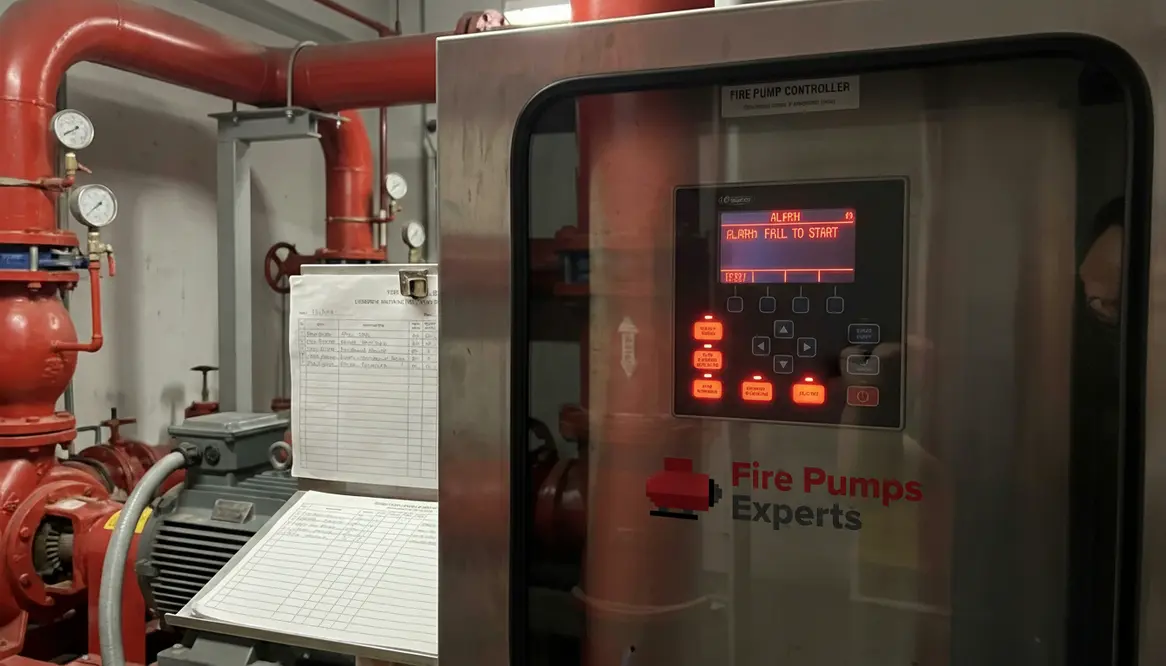
Fire Pump Controller Alarm Codes Explained Guide
I have spent years around pump rooms that hum like quiet engines of safety, and I can tell you this much. When fire pump controller alarm codes start flashing, they are not just blinking lights. They are messages. Warnings. Sometimes even a last polite nudge before something serious unfolds. In large commercial and industrial facilities, these codes matter more than most people realize. So today, I am going to walk you through them in a way that feels less like reading a manual and more like having a calm voice beside you saying, “Here is what is really going on.”
What Fire Pump Controller Alarm Codes Are Really Telling You
Let me put it plainly. Alarm codes are your system’s way of talking. And like any good conversation, tone matters.
When a controller throws an alert, it is not trying to ruin your day. It is trying to protect your building, your assets, and frankly, your reputation. In high value properties, a missed signal can lead to downtime, safety violations, or worse.
For example, a low suction pressure alarm is not just a number on a screen. It is the system saying, “I cannot get enough water to do my job.” And that is a big deal.
So instead of ignoring these alerts, I treat them like early plot twists. Because nobody wants their facility to turn into a disaster movie halfway through the workday.
How I Interpret Common Alarm Signals Without Guesswork
Over time, I have learned that most alarms fall into a few core categories. Once you understand these, everything becomes clearer.
Power related alerts
These tell me the controller is struggling with its energy source. It could be voltage issues or a complete power loss. Either way, no power means no pump, and no pump means no fire protection.
Engine or motor faults
If I see these, I know the heart of the system is under stress. Diesel engines might show overspeed or fail to start warnings. Electric motors may indicate overload.
Pressure and flow issues
These are the ones I never ignore. Low discharge pressure or erratic readings can point to blockages, leaks, or failing components.
Controller faults
Sometimes, the issue is not the pump but the brain controlling it. Internal faults can disrupt the entire system.
Once you recognize these patterns, you stop reacting and start understanding. And that is when you gain control.
Fire Pump Controller Alarm Codes You Should Never Ignore
Now, let us get serious for a moment. Some alarms are like a polite knock on the door. Others are more like someone kicking it open.
I always prioritize these:
Fail to start
If the pump does not start, the entire system fails its purpose. This is the one that should make you move immediately.
Low suction pressure
Without water supply, your system is essentially a very expensive decoration.
Overspeed
This can damage equipment fast. Think of it like revving a car engine into oblivion.
Phase reversal or phase loss
In electric systems, this can stop the motor or cause severe damage.
When I see these, I do not wait. I act. Because in large scale facilities, hesitation can cost more than repairs. It can cost trust.
Why Alarm Codes Matter More in Large Commercial Buildings
In a small setup, an alarm might affect a limited area. But in a high rise, a manufacturing plant, or a data center, the stakes are different.
These environments rely on consistent fire protection. Regulations are strict. Insurance expectations are even stricter.
That is why I always recommend working with specialists who understand large scale systems. Resources like expert fire pump system support for commercial and industrial facilities can make a real difference when interpreting and resolving alarm conditions.
Because let us be honest. Guessing your way through alarm codes in a major facility is like trying to fix a jet engine after watching a short video. Ambitious, but not advisable.
Quick Reference Guide for Alarm Interpretation
This is where those fire pump controller alarm codes stop feeling mysterious and start feeling like a checklist. When a code flashes, you already know where to look first.
Alarm Type
Low Pressure
Fail to Start
Power Loss
Overspeed
Controller Fault
What I Check First
Water supply and valves
Battery or motor condition
Incoming electrical feed
Engine governor settings
Internal diagnostics
This simple approach saves time. And in this line of work, time is not just money. It is safety.
Can You Prevent Alarm Codes Before They Happen
Yes, and I say that with confidence. While you cannot prevent every alert, you can reduce surprises.
I focus on routine inspection, scheduled testing, and keeping records that actually get reviewed. Not the kind that sit in a folder collecting dust like an old DVD collection.
Regular maintenance ensures that when a code appears, it is meaningful, not just noise. And that clarity is everything.
Once you start treating fire pump controller alarm codes as useful signals instead of constant interruptions, your entire approach to fire protection shifts from reactive to proactive.
FAQ About Fire Pump Controller Alarm Codes
These are the questions I hear most when people start paying closer attention to their fire pump controller alarm codes and what they really mean.
Conclusion
Understanding alarm signals is not just a technical skill. It is a responsibility. When you take the time to interpret what your system is telling you, you protect more than equipment. You protect people, operations, and peace of mind. If you manage a large facility, now is the moment to take these alerts seriously, partner with experts, and ensure your fire protection system stands ready when it matters most. In the end, those fire pump controller alarm codes are not there to annoy you; they are there to give you a chance to fix problems long before they become headlines.