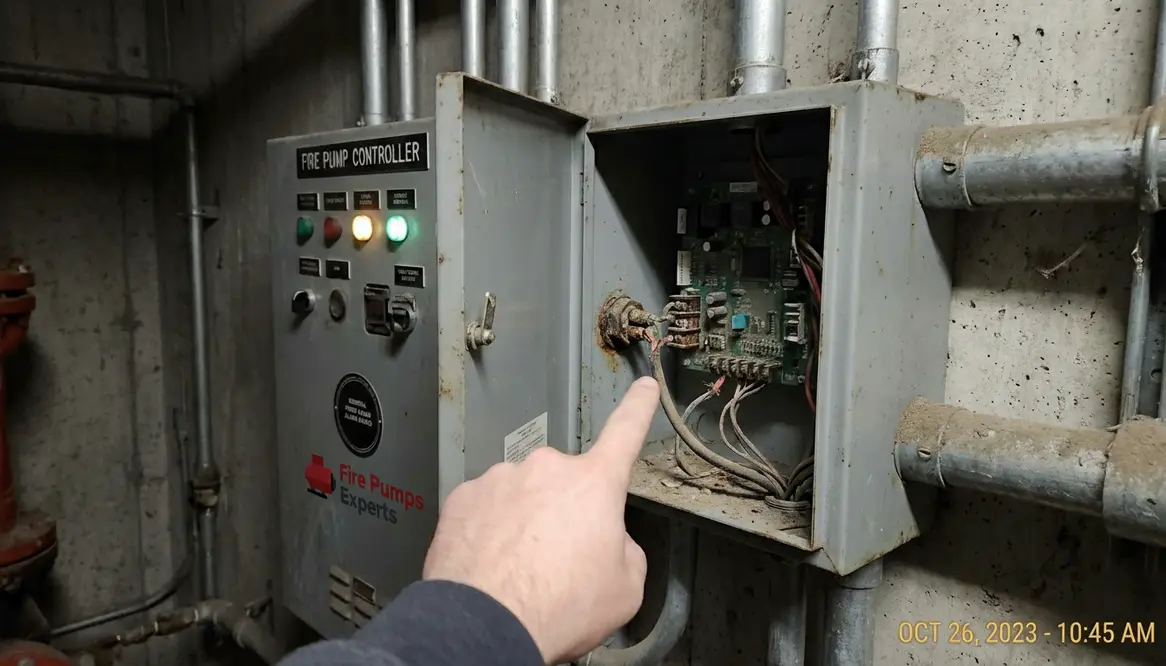
Fire Pump Controller Failure Causes and Prevention
I have seen it happen more times than I care to admit. A system that should roar to life instead sits silent, like a hero who forgot their cue. fire pump controller failure is not dramatic in the Hollywood sense, but in a commercial or industrial building, it might as well be. It is the quiet moment before a serious problem. And while the controller is not the flashiest piece of equipment in your fire protection system, it is the brain behind the operation. When that brain falters, everything else follows.
What Causes Fire Pump Controller Failure in Commercial Systems?
The short answer is this. It rarely comes down to one single issue. Instead, it is a combination of wear, environment, and oversight. I like to think of it like a band where the drummer, guitarist, and singer all decide to take a break at the same time. Things fall apart quickly.
First, electrical issues are a frequent culprit. Power surges, voltage drops, and poor wiring connections can quietly degrade components. Over time, relays stick, circuits burn, and communication between parts becomes unreliable. This is often where a looming fire pump controller failure begins to show its first cracks.
Next, environmental conditions play a major role. In many industrial facilities, controllers sit in rooms that are anything but friendly. Heat builds up, humidity creeps in, and dust settles like it owns the place. Eventually, those conditions corrode internal parts or cause overheating.
Then, there is human nature. Maintenance often gets pushed aside until something goes wrong. However, these systems demand attention. Without regular inspection and testing, small faults grow into full system failure.
How Do Electrical Faults Lead to System Breakdown?
Let me put it simply. Electricity is both the lifeblood and the Achilles heel of your controller. When power supply becomes unstable, the system reacts unpredictably.
For example, voltage spikes can damage sensitive electronics. On the other hand, low voltage may prevent the controller from starting the pump when needed. I have seen cases where a minor wiring issue caused a complete shutdown during testing. Not exactly the kind of surprise anyone enjoys, especially when it exposes how close you were to a serious fire pump controller failure.
Additionally, aging components lose reliability. Contactors wear out. Circuit boards degrade. And while everything might appear fine during a quick glance, deeper inspection often reveals the truth.
Environmental Stress and Its Quiet Damage
Now, let us talk about the silent villain. The environment. It does not announce itself, yet it steadily works against your system.
In large commercial and industrial properties, controller rooms are often overlooked. However, excessive heat can shorten component life dramatically. Meanwhile, moisture leads to corrosion, and dust interferes with electrical connections.
Because of this, I always recommend proactive monitoring. Controlled environments, proper ventilation, and routine cleaning make a measurable difference. It is not glamorous work, but neither is explaining why a system failed when it mattered most.
Common Warning Signs You Should Never Ignore
I have learned that systems rarely fail without warning. They whisper before they shout.
Operational Clues
- Delayed pump startup
- Unexpected alarms
- Intermittent operation
- Unusual noises from the panel
Physical Indicators
- Burn marks or discoloration
- Loose wiring connections
- Corrosion on terminals
- Overheating components
When I notice these signs, I treat them like plot twists in a suspense film. Ignore them, and things rarely end well. Address them early, and you stay ahead of the problem instead of waiting for a full-blown fire pump controller failure to write the ending for you.
Maintenance Gaps That Lead to Fire Pump Controller Failure
Here is where things get honest. Most failures I encounter could have been prevented.
Routine testing is not optional. Weekly churn tests, monthly inspections, and annual performance evaluations all play a role. Yet, many facilities either skip steps or perform them inconsistently. That inconsistency is where a silent fire pump controller failure usually begins to take shape.
Moreover, documentation matters. Without proper records, patterns go unnoticed. A recurring fault might seem random, but in reality, it is part of a larger trend.
I always point clients toward reliable resources like commercial fire pump system standards and best practices to stay aligned with industry expectations. It is not about checking boxes. It is about ensuring readiness when it counts.
Preventing Controller Failure Before It Starts
Prevention is not complicated, but it does require discipline. I focus on a few key actions.
First, I ensure consistent maintenance schedules. Not when it is convenient, but when it is required. Second, I invest in environmental control. Keeping the controller room clean and climate controlled pays dividends.
Third, I prioritize professional inspections. Skilled technicians can identify issues that others might miss. And finally, I never ignore minor faults. Small issues have a way of growing, much like that one email you decided to answer later.
FAQ
Final Thoughts and Next Steps
I see fire pump controller failure as a preventable story, not an inevitable one. When I stay proactive, maintain the system, and respect the warning signs, I keep everything running as it should. If you manage a commercial or industrial property, now is the time to act. Schedule inspections, review your maintenance plan, and bring in experts who understand these systems inside and out. Because when the moment comes, your system should not hesitate.